

Repossessed Tractors at Auction: What to Check Before Bidding
An overview of the considerations involved in evaluating repossessed tractors sold at public auctions. This guide outlines the key technical and financial factors that influence the acquisition process for heavy agricultural machinery.
When agricultural equipment enters the marketplace through repossession auctions, it often represents a distinct way to acquire machinery for farming or land management. These auctions feature tractors that have been reclaimed due to defaults on financing agreements, and they are typically sold in an as-is state. Because the equipment has been removed from its original environment, understanding the mechanical state, the auction process, and the associated costs is important for anyone considering such a purchase.
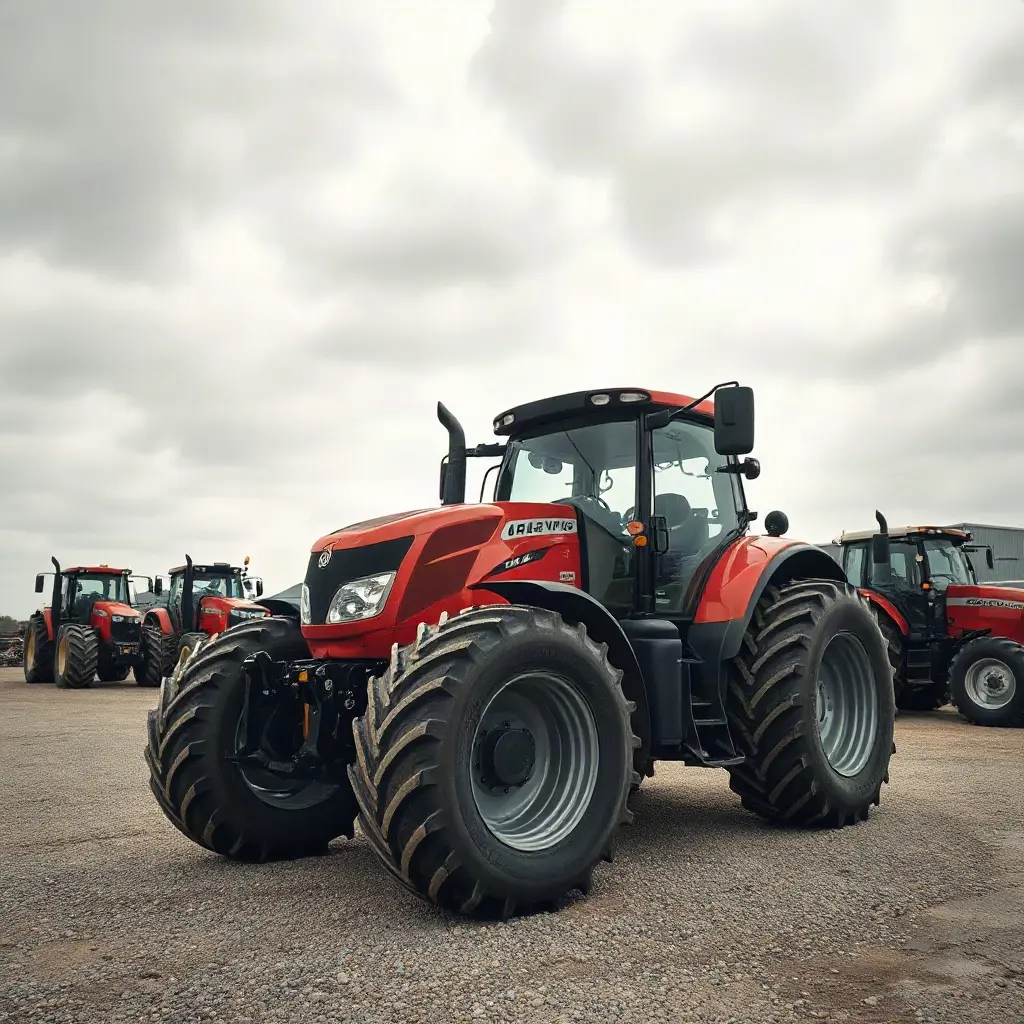
Understanding the Mechanical Condition of Repossessed Machinery
The primary challenge with purchasing a repossessed tractor is the lack of a comprehensive service history or a guarantee regarding its operational state. Unlike private sales or dealership trade-ins, these machines may have sat idle for an extended period, leading to potential issues with seals, hoses, and fluids. The mechanical inspection phase is vital, as it serves as the only opportunity to assess the underlying health of the engine, transmission, and hydraulic systems before committing to a bid.
Potential bidders should look for signs of heavy wear that might not be immediately obvious. This includes checking for leaks under the chassis, evaluating the state of the tires for dry rot, and examining the cabin for signs of water ingress if the unit was stored outdoors. In many cases, it is standard practice to bring a technician or an experienced mechanic to the site to listen to the engine during a cold start, provided the auction guidelines allow for such testing.
The Role of Auction Fees and Financial Overhead
The total cost of a repossessed tractor extends beyond the final hammer price. Auctions typically operate with a fee structure that includes a buyer premium, which is a percentage added to the final bid price. This premium can fluctuate based on the auction house and the final sale amount, often ranging from 5% to 15% of the winning bid. It is necessary to calculate this expense into the total budget before participating in the bidding process.
Additional costs often encountered include logistics and transportation. Repossessed equipment is rarely located at a convenient site, and the responsibility for moving the machine from the auction yard to its new destination lies entirely with the buyer. This involves specialized heavy-duty transport, which depends on the size of the tractor and the distance traveled. Other potential expenses include:
- Costs for administrative and title transfer processing fees.
- Initial maintenance requirements, such as replacing batteries, air filters, and all primary fluids immediately upon acquisition.
- Potential storage fees if the tractor is not removed from the auction facility within a specified timeframe.
Evaluating Engine Hours and Usage History
Tractor longevity is often measured by total engine hours rather than the manufacturing year. A machine that is five years old but has been used heavily for industrial applications may have more internal wear than a ten-year-old machine used for light duty. Auction listings should detail the hour count, but it is important to confirm that the display is functional and that the readings correlate with the general appearance of the pedals, seat, and controls.
When examining the usage history, try to identify what the tractor was primarily used for. A machine that spent its life operating a heavy-duty loader or working in corrosive environments like manure spreading or chemical spraying may have sustained more frame stress or corrosion than one used solely for field cultivation. Assessing these factors helps in forming a realistic expectation of how much immediate repair work might be required to bring the unit back to full productivity.
Documentation and Legal Ownership Considerations
Ownership verification is a complex part of the repossession process. Because these tractors were recovered from previous owners, the auction house must provide a clear title or an official bill of sale that demonstrates the right to re-sell the asset. It is important to confirm that the serial number on the tractor chassis matches the documentation provided by the auction house to avoid complications with future registrations or insurance.
In many regions, agricultural machinery does not require the same title registration as passenger vehicles, but the lack of a proper document can cause issues if the tractor is ever traded or sold later. Always ensure that the auction house explicitly states that the machine is sold with a free and clear title. If the documentation is missing, the cost of verifying the history or obtaining a new title can become a significant hurdle.
Site Visits and Physical Inspection Protocols
Attending a preview day is the most effective way to gauge the value of a tractor. Most professional auction houses schedule specific days where the equipment is staged in a lot for potential buyers to view. During this time, the goal is to conduct a systematic check of all systems. This includes cycling through the gears, testing the power take-off (PTO) engagement, and inspecting the hydraulic remotes to ensure they hold pressure.
If a physical inspection is impossible due to distance, some bidders choose to rely on third-party inspection services. These are professional firms that specialize in evaluating heavy machinery and provide written reports. While this service involves a fee, it can be a way to gain an objective, expert opinion on the condition of the internal components and the electrical systems, which can influence the maximum bid amount one is willing to place.
Setting Realistic Budgeting Limits Before Bidding
The fast-paced nature of auctions can sometimes lead to bidding fatigue, where participants feel pressure to continue increasing their bids beyond their initial plan. Establishing a maximum bid cap before the auction begins is a common strategy to maintain financial discipline. This cap should be calculated by taking the market value of a similar, well-maintained model and subtracting the estimated costs of transport, taxes, and inevitable mechanical repairs.
By determining a firm maximum, the potential buyer avoids the common error of overpaying for a piece of equipment that may require significant refurbishment. Remember that repossessed tractors are bought without a warranty, meaning the buyer assumes all financial risk for any mechanical failures that occur after the purchase is finalized. Approaching the auction with a clear sense of the machine's true value, adjusted for its unknown history and required repairs, is essential for a sustainable acquisition process.