

Phlebotomy Training in the UK: Course Length and Certification
An overview of phlebotomy training programs in the United Kingdom, focusing on typical program durations and the nature of professional certification. This guide explores the structure of courses, practical assessment requirements, and industry standards for phlebotomy practitioners.
Phlebotomy is a specialized healthcare skill involving the collection of blood samples from patients for clinical analysis or donation. In the United Kingdom, individuals seeking to enter this field often look for structured training programs that combine theoretical knowledge with hands-on clinical experience. Understanding the pathways for training involves looking at the typical duration of courses, the curriculum standards expected by healthcare institutions, and the process of competency verification within the healthcare sector.
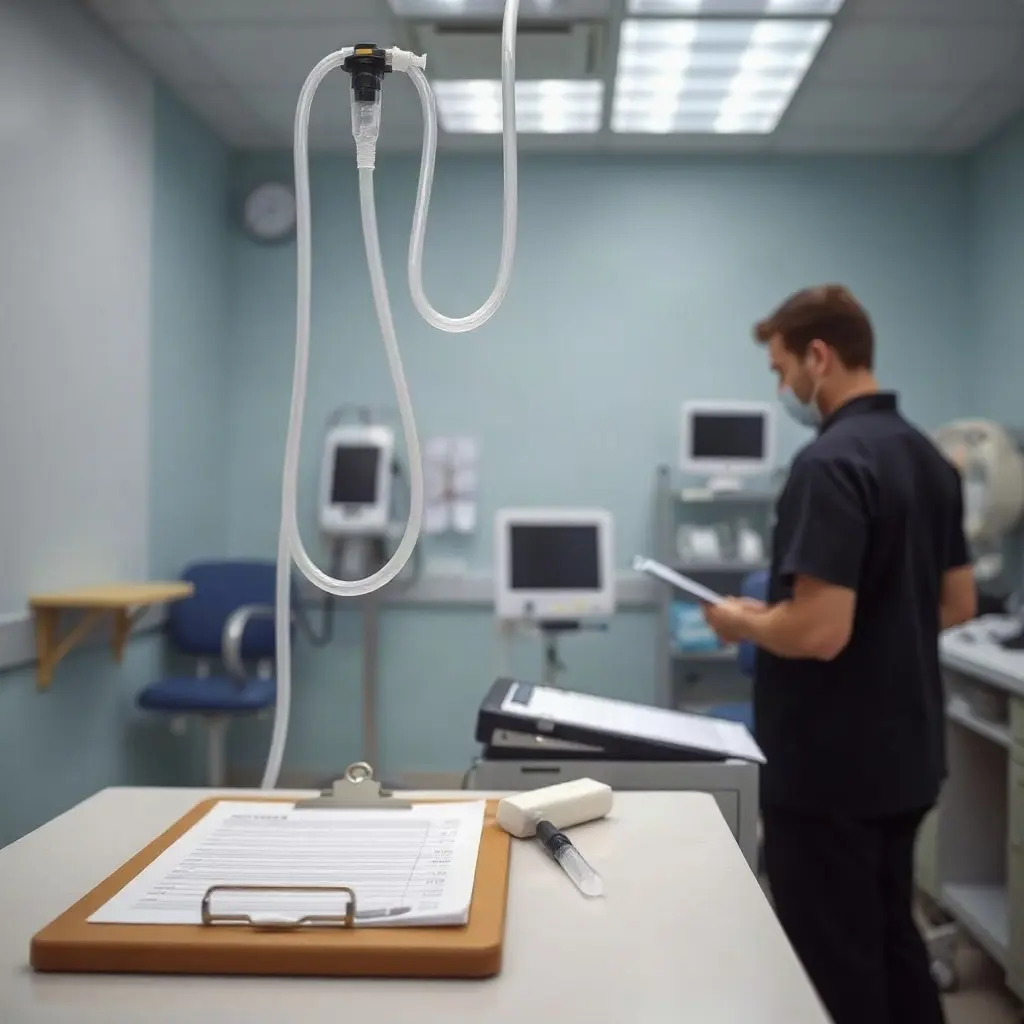
Typical Duration of Phlebotomy Training Programs
Training programs for phlebotomy in the UK vary in length depending on the depth of the curriculum and the intensity of the practical component. Most foundational courses are designed to be intensive and short, often spanning between two to five days. These intensive workshops focus on providing the essential skills required for venipuncture, covering anatomy, infection control, and patient safety.
Beyond the initial workshop, many programs require a period of clinical placement or supervised practice. This stage is critical for bridging the gap between classroom theory and real-world application. Some comprehensive programs incorporate these clinical hours directly into their total duration, which can extend the training period to several weeks or months if the student is balancing learning with other commitments. The total time investment is largely determined by the specific requirements of the training provider and the student's existing experience level in healthcare settings.
Core Curriculum and Theoretical Components
The curriculum of a standard phlebotomy course is designed to ensure that practitioners can collect high-quality blood samples safely. Theory sessions typically cover the equipment used in clinical environments, such as vacuum-based blood collection systems, butterflies, and lancets. Students learn about the order of draw, which is a standardized sequence used to prevent cross-contamination between tubes with different additives.
Instruction also emphasizes the importance of patient identification and informed consent. Understanding the legal and ethical responsibilities regarding patient privacy and dignity is a mandatory part of the training. Furthermore, modules often include details on site selection, common complications such as hematomas or nerve injury, and the protocols for handling accidental needlestick injuries in a clinical environment.
Practical Skill Acquisition and Simulated Environments
Practical training is the backbone of phlebotomy education. Initial practice is usually conducted in a simulated environment using artificial arms or silicone pads. These tools allow students to practice the tactile sensations of inserting a needle, anchoring a vein, and managing the vacuum pressure of collection tubes without the pressure of live patient interaction. Educators observe these sessions to provide immediate feedback on technique, angle of insertion, and pressure application.
As students progress, they move toward supervised practice on volunteers. This stage is vital for learning how to communicate with patients, manage their anxiety, and provide post-procedure care. Proficiency is evaluated based on the student's ability to maintain a sterile field and perform the venipuncture smoothly and comfortably. The transition from simulation to live procedure represents the most significant phase of skill development in any phlebotomy program.
Certification Standards and Professional Recognition
In the United Kingdom, there is no single national license required to practice phlebotomy, as the field is often integrated into the broader scope of healthcare professions like nursing, biomedical science, or healthcare assistance. However, certification from a recognized training provider serves as a record of achievement and competency. Many employers in both the National Health Service and private pathology laboratories look for documentation that confirms a candidate has completed a course aligned with the National Occupational Standards.
Certificates are often awarded upon the successful completion of both written examinations and practical assessments. These assessments verify that the individual has demonstrated the necessary dexterity and clinical judgment to perform blood draws independently. Some practitioners may choose to join professional bodies or register with relevant healthcare councils if their phlebotomy practice is part of a broader role, as these organizations often set their own benchmarks for ongoing clinical competency.
Financial Considerations and Associated Costs
The cost of phlebotomy training in the UK typically ranges from approximately 250 GBP to 750 GBP for standard foundational courses. These costs often depend on the inclusion of specific elements such as blood-borne pathogen certifications, comprehensive course materials, and the provision of supervised clinical shadowing opportunities. Some advanced modules that cover pediatric venipuncture or specialized collection techniques may sit at the higher end of the price spectrum.
Prospective students should note that some institutional employers provide internal training for their staff members, which is generally structured differently than private workshops. When evaluating the costs of independent training providers, it is common to consider whether the tuition fee covers all assessment materials, insurance during clinical placements, and the provision of a verified certificate upon completion. These overheads are the primary factors driving the variance in pricing between different training programs.
Requirements for Ongoing Competency and Practice
After completing an initial training course, maintaining competency is a long-term professional responsibility. Healthcare environments change, and protocols related to infection prevention, electronic patient records, and blood sample labeling are subject to updates. Experienced phlebotomists often participate in regular mandatory training updates, which may be organized by their employer or through external professional development sessions.
Consistent practice is the most effective way to retain the manual dexterity required for venipuncture. Many healthcare facilities implement an audit process where a supervisor observes a phlebotomist's performance periodically to ensure they are following the latest safety guidelines. Keeping records of these performance reviews is a standard part of professional development in the healthcare sector, ensuring that every patient receives care that adheres to current evidence-based clinical practices.