

Laser and Radiofrequency Cellulite Treatments: How They Work
An overview of how laser and radiofrequency technologies are used in non-invasive cellulite reduction procedures. This article explores the mechanical and thermal processes involved in these treatments.
Laser and radiofrequency treatments represent two of the most common non-invasive approaches to addressing the appearance of cellulite. These procedures are designed to target the underlying structures beneath the skin that contribute to dimpling. By utilizing specific energy forms, these methods attempt to modify the connective tissue, fat deposits, and skin surface, often used in conjunction with other aesthetic body contouring techniques.
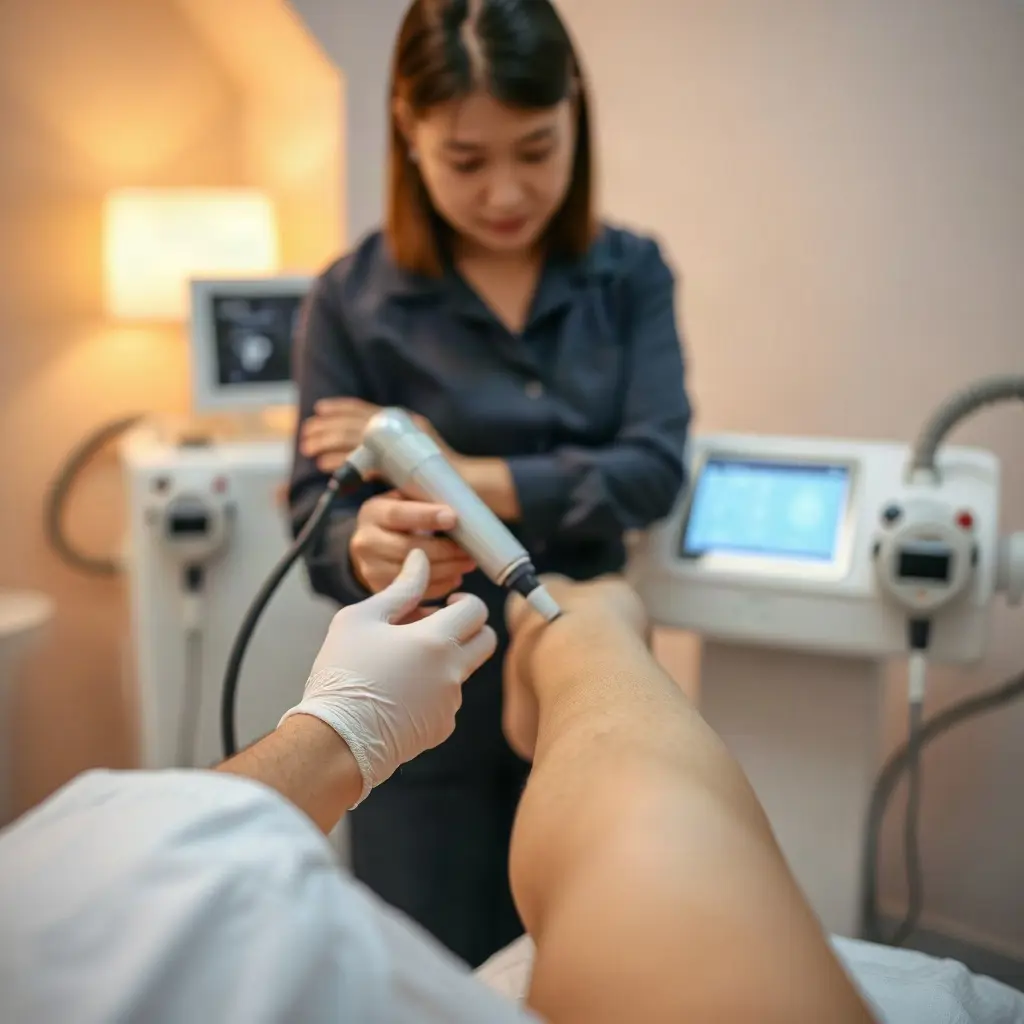
The Mechanics of Radiofrequency Energy for Skin Tightening
Radiofrequency (RF) treatments operate by delivering thermal energy into the deeper layers of the skin, known as the dermis and the underlying subcutaneous fat. The primary goal of this application is to heat the tissue in a controlled manner, which triggers a biological response. As the skin is heated, the existing collagen fibers may contract, and the body may be stimulated to produce new, healthier collagen over a period of weeks or months.
When used for cellulite, RF devices often aim to improve skin laxity and density. By tightening the structural support of the skin, the visibility of fat herniation through the connective tissue bands, which is the hallmark of cellulite, may become less apparent. Many devices incorporate suction or massage mechanisms alongside RF energy to encourage lymphatic drainage and improve local circulation in the treated area.
Laser-Assisted Procedures and Subsurface Targeting
Laser treatments for cellulite often take a different approach by focusing on the fibrous septae. These are the rigid bands of connective tissue that anchor the skin to the underlying muscle. When these bands pull the skin downward while fat cells push upward, the characteristic dimpled look occurs. Some laser platforms are designed to release these bands through a small incision using a laser fiber, a process sometimes referred to as subcision.
Beyond manual release, laser energy is often utilized to heat the fat tissue and the dermis simultaneously. This thermal effect is intended to stimulate the production of elastin and collagen, leading to a smoother skin texture. The precision of laser energy allows for a focused treatment, which can be useful when addressing specific areas of concern on the thighs, buttocks, or abdomen.
The Combination of Thermal Energy and Mechanical Massage
It is common for clinical systems to combine multiple modalities into a single session. For example, a device might simultaneously apply radiofrequency, infrared light, vacuum pressure, and mechanical rollers. This multi-pronged approach is designed to tackle different aspects of cellulite formation at once, such as fluid retention, poor circulation, and loose skin.
The mechanical massage component helps to mobilize fluids that accumulate in the tissue, potentially reducing temporary puffiness. Meanwhile, the thermal energy from lasers or RF works on the longer-term structural integrity of the skin. By addressing both the fluid dynamics and the structural collagen network, these combination treatments are frequently presented as a way to enhance the overall aesthetic outcome of the target area.
Considerations Regarding Treatment Frequency and Maintenance
Treatments involving laser or radiofrequency energy are rarely considered one-time procedures. Most programs require a series of sessions, typically ranging from four to ten visits, depending on the individual characteristics of the skin and the severity of the cellulite being addressed. These sessions are usually spaced one to two weeks apart to allow the skin and tissue time to respond to the thermal stimulation.
Maintenance is a recurring aspect of these procedures. Because the aging process and genetic factors continue to influence collagen production and fat distribution, the results of these treatments are not permanent. Many people return for touch-up sessions every few months to sustain the appearance of smoother skin. The longevity of results is highly variable and depends on individual lifestyle factors, such as diet, hydration levels, and exercise habits.
Typical Cost Ranges and Financial Variables
The price for these aesthetic treatments can vary widely depending on the provider, the technology used, and the geographic location. A single session might range from approximately $200 to $600. When factoring in a full course of recommended treatments, total costs can climb into the thousands. It is standard for providers to offer package rates for multiple sessions, which often reduces the cost per individual treatment compared to paying session by session.
Several factors influence these price ranges, including the size of the area being treated, the expertise of the practitioner, and the specific device being employed. Advanced systems that combine multiple energy sources often carry a higher cost per session than singular technology devices. Patients are generally advised to look for experienced practitioners who can assess whether their specific type of cellulite is likely to respond to the available technology.
Assessing Risks and Realistic Expectations
While these treatments are non-surgical and do not require long recovery periods, they are not without potential side effects. Most individuals experience temporary redness, swelling, or minor bruising in the treated area. In some instances, mild discomfort or a sensation of heat may occur during the session, which is usually managed by cooling mechanisms integrated into the handheld applicators.
It is important to manage expectations regarding the results of laser and radiofrequency procedures. These methods are typically aimed at improving the texture and firmness of the skin rather than achieving significant fat reduction or total elimination of cellulite. The degree of improvement can be subjective and varies significantly from person to person. Factors such as skin elasticity, muscle tone, and overall body composition play a significant role in the final visual outcome, making it difficult to predict the exact extent of change for any given individual.