

Household Devices That Quietly Raise Your Electricity Bill
An overview of common household devices that contribute to higher energy consumption through phantom loads or inefficient operation. Learn about the factors that influence electricity usage patterns in a typical home.
Energy consumption in a residential setting is often influenced by devices that remain active even when they are not in use. While many individuals focus on high-wattage appliances like refrigerators or heating systems, a significant portion of an electricity bill is often attributed to smaller electronics and systems that draw power silently. Understanding how these devices operate and why they contribute to energy waste is the first step toward managing overall household consumption.
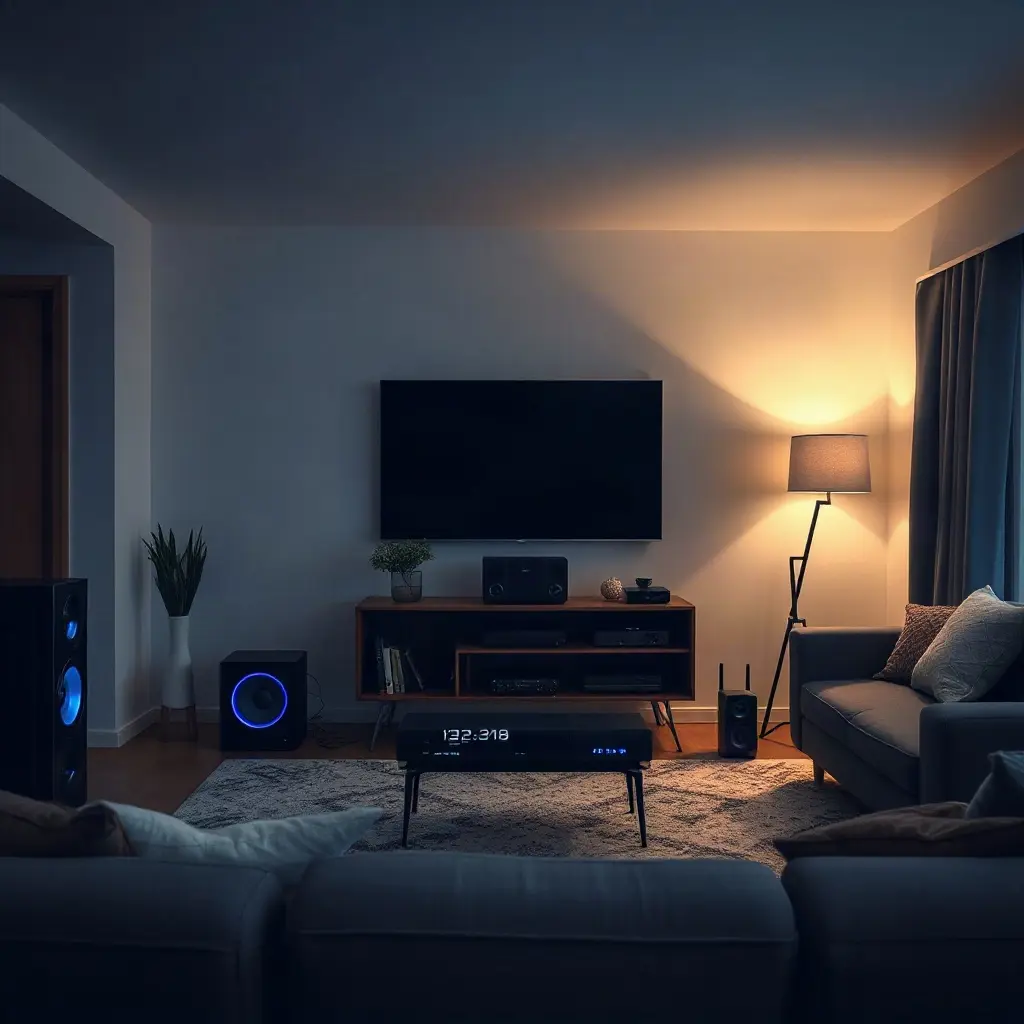
The Nature of Standby Power Consumption
Many modern electronics are designed to remain in a standby or sleep mode rather than powering down completely. This feature allows devices to respond quickly to remote controls or maintain internal clocks and settings, but it requires a constant flow of electricity. This phenomenon is frequently referred to as phantom load or vampire power. When multiple devices in a home remain in this state for extended periods, the cumulative effect on energy usage can be noticeable over a billing cycle.
The amount of power consumed by devices in standby mode varies depending on the age and complexity of the technology. Older appliances or those with analog components may not draw as much idle power as modern digital devices that are connected to wireless networks. Because these devices often lack a physical power switch that breaks the circuit entirely, they continue to draw power as long as they are plugged into an active wall outlet.
Entertainment Systems and Media Consoles
Television sets, gaming consoles, and cable boxes are common contributors to standby power usage. Modern smart televisions often stay connected to the internet to perform background updates or maintain quick-start functionality. Similarly, gaming consoles frequently remain in a state of readiness to allow for rapid boot times, which necessitates keeping internal processors powered even while the user is not interacting with the system.
Cable and satellite boxes are often among the most consistent users of electricity in a home media setup. Because these units are typically connected to a signal provider, they often stay active to receive software updates or programming guides. Even when the television screen is off, these components are frequently operating at a significant percentage of their full-load power requirements, contributing steadily to daily electricity consumption.
Computer Equipment and Peripherals
Workstations and peripheral devices, such as monitors, printers, and scanners, often contribute to energy use in ways that are easily overlooked. Monitors frequently consume power to maintain sensors that detect incoming signals from a computer. Printers that are left in sleep mode must keep certain components warm or active to ensure they can process a print command immediately upon arrival.
The integration of USB hubs and charging stations also adds to the total load. Devices that remain connected to these ports often continue to draw power even after they have reached full capacity, particularly if the charging station does not feature automated cutoff technology. Managing these peripherals by consolidating them onto power strips can help in disconnecting them fully when the main computer is not in use.
Kitchen Appliances with Digital Displays
Modern kitchen environments are filled with small appliances that feature digital clocks, touchscreens, and wireless connectivity. Microwaves, coffee makers, and toasters often display the time, which requires a constant power source. While the energy draw of a single digital clock is minimal, the combination of several such appliances in one kitchen can lead to a consistent baseline of energy consumption.
Some high-end kitchen appliances also maintain sensors to monitor water quality, filter life, or connectivity status. If an appliance has features that allow it to be managed via a mobile application, it must maintain a connection to a local wireless network. This constant communication keeps the device's internal Wi-Fi chip active, preventing it from ever entering a true low-power state.
Heating and Cooling System Components
While the primary motors of heating, ventilation, and air conditioning (HVAC) systems are high-energy consumers, the control boards and thermostats themselves also contribute to the total usage. Smart thermostats require a constant power feed to maintain their display, network connection, and sensor arrays. While these systems are designed for efficiency, they are perpetually drawing electricity to function.
Water heaters are another element where silent power draw can occur. Even if the unit is not being used, it must occasionally cycle on to keep the water within the tank at a specific temperature. Insulation quality is a major factor here, as a poorly insulated tank will require more frequent heating cycles to combat ambient heat loss. In many cases, the electricity cost associated with water heating is driven by the necessity to maintain temperature during idle periods.
Factors Influencing Electricity Costs
The total impact of these devices on a household electricity bill is rarely uniform and depends on several variables. One of the primary factors is the local rate per kilowatt-hour, which determines the financial weight of every watt consumed. The age of the home’s electrical infrastructure and the efficiency ratings of the devices also play a role, as newer, energy-efficient models are generally engineered to reduce power consumption in standby modes.
Another consideration is the sheer quantity of electronics present in the living space. Homes with extensive smart home ecosystems, multiple media centers, and numerous personal computing devices naturally have a higher baseline for electricity usage. Being aware of which devices stay on, how long they remain in standby, and whether they possess energy-saving features can assist in understanding the variations in monthly electricity bills. Often, the cumulative effect of small, silent energy draws is the most significant factor in identifying why electricity consumption remains consistent regardless of daily activity levels.