Rescue greyhounds for adoption: how the rehoming process works in the United Kingdom
Key facts
- Most retired greyhounds are between three and five years old when they begin the rehoming process 1.
- Reputable UK rescue charities typically conduct a home visit to ensure property security and fencing are adequate 2.
- Adoption fees for retired greyhounds typically range from approximately £100 to £220 in the UK 2 3 4 5.
- The rehoming process often includes microchipping, vaccination, and neutering or spaying before a dog enters a permanent home 3 5.
Welcoming a retired greyhound into a household is a decision that requires understanding the unique history and temperament of the breed. These dogs are typically retired from professional racing at a young age, often between three and five years old, and are subsequently transitioned through rescue charities into domestic settings 1. The rehoming process in the United Kingdom is designed to ensure that each dog is matched with a home capable of meeting its physical and emotional needs, providing a safe and stable environment for a transition that can otherwise be significant for a dog accustomed to kennel life 6.
Understanding the Greyhound Adoption Journey
The journey toward adopting a retired greyhound generally begins with an enquiry to a registered charity or breed-specific rescue organisation 7. Organisations such as the Greyhound Trust or independent regional rescues operate as the primary points of contact for potential adopters 8. Many of these groups use an application-and-matching approach where prospective owners provide details regarding their lifestyle, living arrangements, and preferences. This information helps charity staff assess which dogs might be the most suitable fit for a specific home, as individual personalities can vary significantly among retired racers 7 6.
Once an initial application is submitted, charities typically follow a structured procedure to facilitate a successful placement. This often includes a preliminary discussion via phone or email to clarify expectations and address any initial queries 6. Following this, many organisations will arrange for an experienced home checker to visit the applicant's property. The purpose of this visit is to verify that the environment is secure, with particular attention paid to garden fencing to ensure the area is safe for a hound to spend time outdoors 2.
Financial Considerations and Inclusions
The cost of adopting a rescue greyhound typically takes the form of an adoption fee, which is often structured as a donation to support the ongoing work of the charity. As of 2026, market data indicates that these fees generally range from £100 to £220 3 4 5. This fee is not merely a purchase price; it covers a range of essential health and welfare services that the charity has already performed 3. Prospective adopters should expect that most accredited rescues will have already ensured the greyhound is microchipped, vaccinated, and either spayed or neutered prior to the adoption being finalised 3 5.
In addition to health procedures, many rescues include practical supplies to assist with the initial settling-in period. It is common for adoption packages to include a lead, a collar, and a muzzle, the latter of which is often used in public or during initial periods of introduction to other animals 2. Some charities may also provide a temporary period of insurance coverage to give new owners peace of mind during the first few weeks of the transition. Adopters should confirm the specific inclusions with their chosen organisation during the application process 2.
Matching and the Transition Process
Matching a greyhound to a new owner is a careful process that considers the dog's temperament alongside the household's environment. Some greyhounds may be well-suited to living with children or other pets, while others may require a quieter home without small animals due to their natural prey drive 1 3. Because of these variations, rescue staff are instrumental in evaluating each dog's personality. This might involve observing the dog's interaction with toys, its behaviour on a lead, or how it reacts to different household settings while in foster care 9 3.
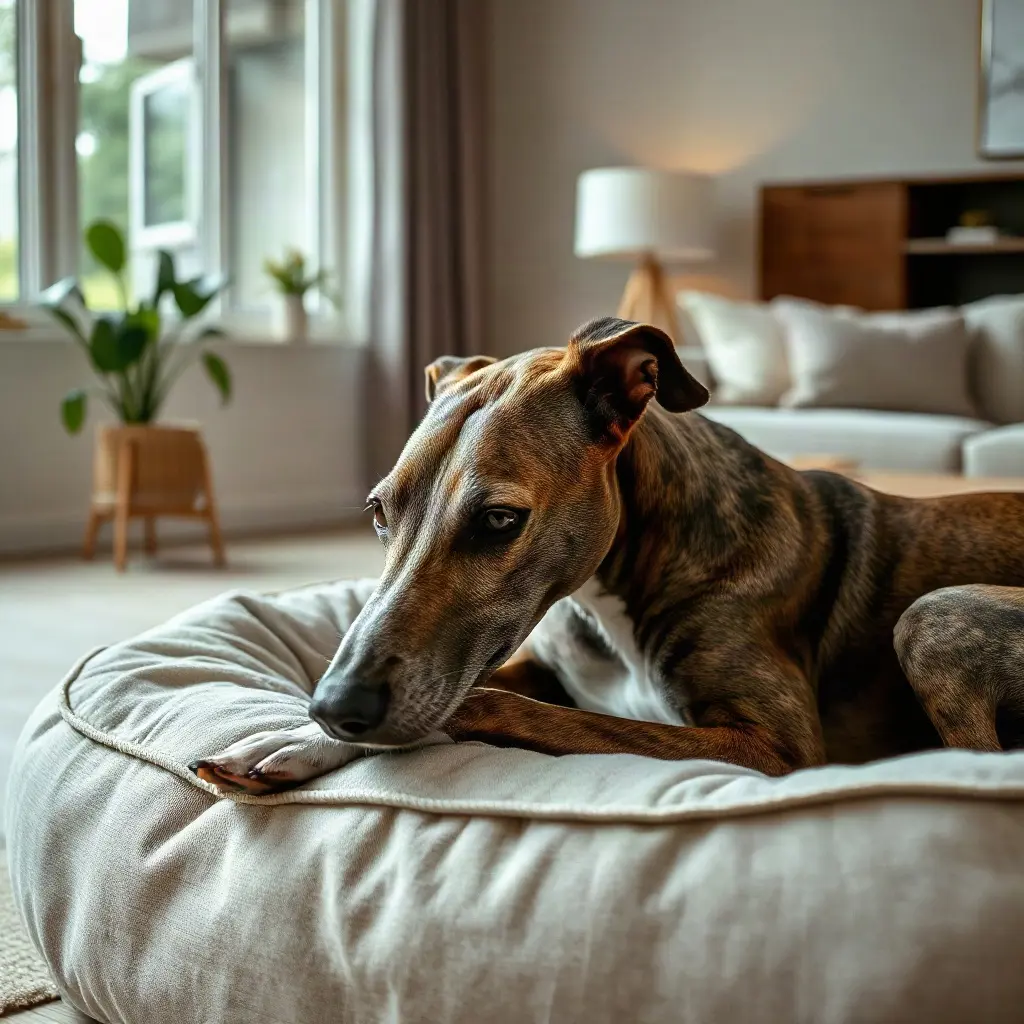
The transition from a racing environment to a domestic home is a period of significant adjustment. Greyhounds are known for being routine-oriented, and they often thrive when given a consistent schedule for feeding and exercise. While they are often perceived as high-energy animals due to their racing background, they are typically sedentary in the home, often described as '45mph couch potatoes' that appreciate short bursts of exercise followed by extended periods of rest 1. Owners should be prepared for the dog to learn the nuances of domestic life, such as navigating staircases or understanding that soft furnishings are intended for relaxation 7 1.
Long-term Commitment and Ongoing Support
Adopting a greyhound involves a long-term commitment, as the breed often has an average lifespan of 12 to 15 years 1. Beyond the immediate adoption phase, new owners should anticipate ongoing care responsibilities, including regular health checks, routine grooming of their short coats, and maintaining a healthy diet 1. Reputable rescues often provide lifetime support, remaining available to answer questions or offer guidance should challenges arise after the dog has moved into its new home 2 3.
For those interested in exploring adoption, the best approach is to contact local, accredited rescue groups to discuss the process and any specific requirements they may have. Whether through large national organisations or smaller, independent rescue shelters, these groups provide the essential infrastructure that makes it possible for retired greyhounds to transition successfully into family life 7 8.
Sources
- Why greyhounds | Are greyhounds good pets | With a greyhound: https://withagreyhound.org.uk/why-greyhounds/
- How To Adopt A Greyhound with Yarmouth Greyhound Homefinders: https://www.yarmouth-greyhound-homefinders.co.uk/how-to-adopt/
- Greyhounds needing loving homes as pets | Dogs - www.zdclassified.com: https://www.zdclassified.com/greyhounds-needing-loving-homes-as-pets-23175.htm
- Dogs for adoption in Leicester | Pets4Homes: https://www.pets4homes.co.uk/adoption/dogs/near-me/united-kingdom/england/leicester/
- ***FERN RESCUE* 8 YR OLD GREYHOUND FOR ADOPTION*** - Pet Classified Ads Rescue Dogs And Puppies Classifieds By Frances McNally: https://www.freepetads.co.uk/rescue-dogs-and-puppies-classifieds/fern-rescue-8-yr-old-greyhound-for-adoption
- How Adopting a Greyhound Through Dogs Trust Works | Greyhound Owners: https://www.greyhound-owners.co.uk/info-guides/how-dogs-trust-adoption-works
- Greyhound adoption | Rehoming centres | With a greyhound: https://withagreyhound.org.uk/adoption-centres/
- Greyhound Rehoming UK: How to Adopt a Retired Racing Dog – Watchgreyhoundracing: https://watchgreyhoundracing.com/greyhound-rehoming-uk/
- Marlene | Kent Greyhound Rescue: https://www.kentgreyhoundrescue.com/dogs/marlene-2/