

Healthy Start Vouchers 2026: Who Can Get Free Milk and Baby Food
An overview of the Healthy Start scheme criteria, explaining how individuals may qualify for nutritional support for pregnant women and young children. This guide outlines the categories of beneficiaries and the types of food products typically covered by the program.
The Healthy Start program is a government-led initiative designed to support nutritional health among pregnant individuals, new parents, and young children. By providing financial assistance for the purchase of specific food items, the program aims to ensure that those who are most vulnerable have access to essential nutrients. Understanding the eligibility criteria is the first step in determining whether a household meets the requirements for this support, as the program is tailored toward those on lower incomes or receiving certain benefits.
Understanding Eligibility Requirements
Eligibility for Healthy Start support is generally determined by household income and the receipt of specific social security or public assistance benefits. The program is specifically targeted at individuals who are pregnant or who have children under the age of four. Because the requirements can vary depending on jurisdiction and current legislative adjustments, it is standard for local authorities to periodically review the income thresholds that qualify a household for the scheme.
Typically, individuals who are already enrolled in other forms of government assistance, such as income support or income-based jobseeker's allowance, are prioritized. The assessment process often looks at whether a household's total earnings fall below a defined level, ensuring that the assistance reaches those who need it most. Pregnant individuals are usually eligible to receive support from the tenth week of pregnancy until the child reaches their first birthday, after which the support may continue until the child turns four.
Types of Essential Foods Covered
The core purpose of the scheme is to subsidize the cost of fundamental food items that contribute to a healthy diet. The funds provided are typically restricted to specific product categories to ensure that the assistance is used for nutritional purposes. These categories are chosen for their role in the developmental health of infants and the physical well-being of pregnant or breastfeeding individuals.
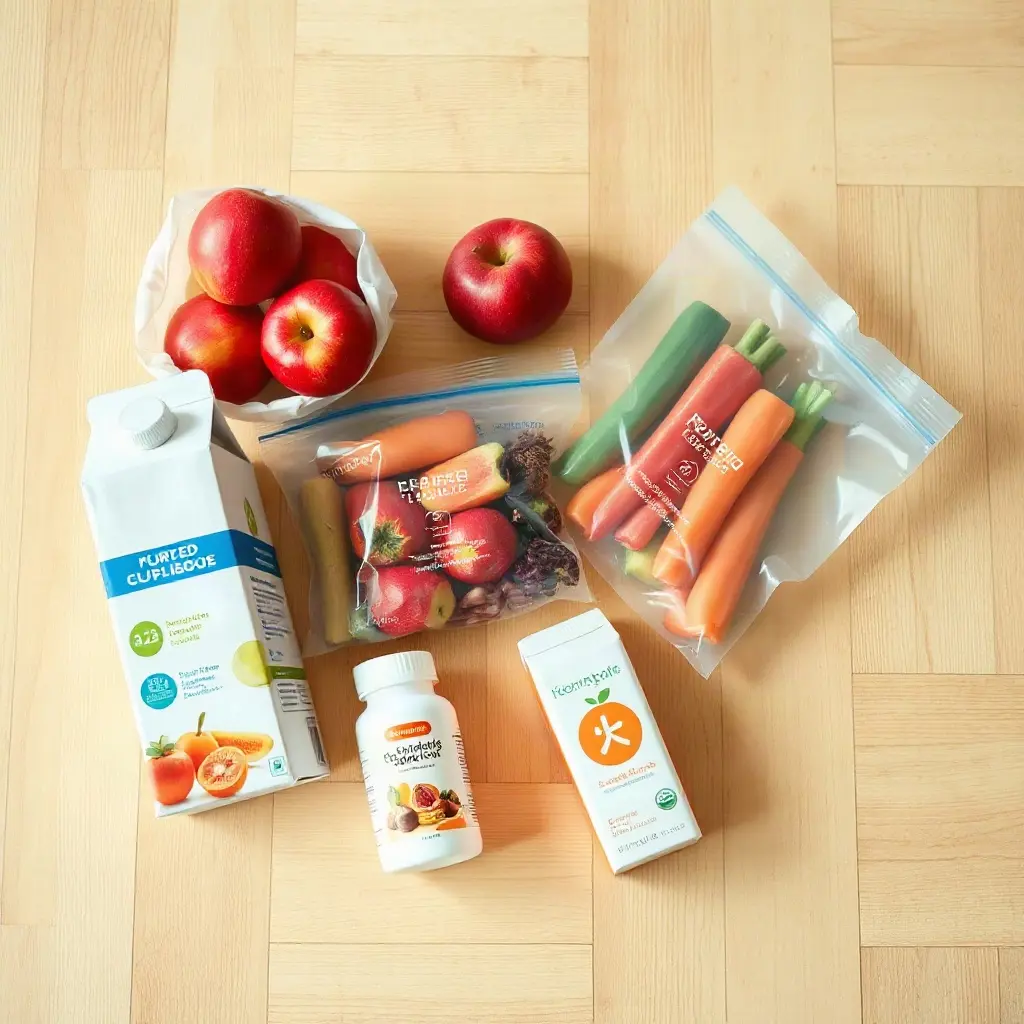
- Fresh, frozen, or tinned fruit and vegetables.
- Plain cow milk, including liquid, semi-skimmed, or whole milk.
- Infant formula that is based on cow milk and manufactured to meet specific safety standards.
- Certain types of fresh or frozen pulses, such as beans, lentils, and peas.
How the Assistance is Distributed
Modern implementations of the Healthy Start program have moved away from physical paper vouchers toward digital systems. This change is intended to make the redemption process more discreet and efficient at retail locations. Participants are often issued a prepaid card, which is topped up at regular intervals with the value of the support they are entitled to receive.
When shopping for qualifying items, users present their card at the point of sale. Most major supermarkets and local convenience stores that stock essential groceries are equipped to process these payments. It is important to note that the card usually cannot be used for non-food items, such as household cleaning products, diapers, or alcohol. The balance on the card generally does not roll over indefinitely, meaning recipients often need to use the funds within a certain timeframe to ensure they receive the full benefit of the program.
The Role of Vitamins and Supplements
Beyond the food items themselves, the program often encompasses the provision of health supplements. Vitamin drops for infants and tablets for pregnant or breastfeeding women are vital components of the nutritional support offered. These supplements are often distributed through local health centers, community hubs, or participating pharmacies.
By ensuring that recipients have access to vitamins such as folic acid and vitamin D, the program attempts to bridge common nutritional gaps that can occur during pregnancy and early childhood. Unlike the food vouchers, which are often used at retailers, vitamins are typically obtained through clinical or public health channels. Recipients should verify their local distribution points to determine where they can exchange their entitlement for these specific health products.
Common Misconceptions and Compliance
A common misunderstanding is that the support covers all grocery expenses for a family. In practice, the assistance provided is a supplemental benefit, meant to offset the cost of healthy dietary staples rather than cover a full weekly food budget. It is also important for participants to maintain accurate records and update their contact information with the relevant government body, as changes in household size or income status can affect continued eligibility.
Misuse of the program, such as attempting to buy prohibited items or allowing others to use the digital card, can lead to the suspension of benefits. The administrative bodies overseeing these programs maintain strict guidelines to ensure that resources are directed toward intended recipients. Staying informed about the program's terms of service helps participants avoid accidental non-compliance and ensures consistent access to their support.
Resources for Verification and Updates
Because eligibility guidelines can shift in response to inflation or changes in social policy, it is helpful for individuals to occasionally consult official informational portals. Government websites dedicated to public health and social services usually provide the most accurate details on current income limits and the application process. These platforms also offer search functions to find local retailers that accept the assistance cards.
If a person believes they meet the criteria, they can usually initiate an application through a centralized digital portal or by requesting physical forms from a social services office. Once an application is submitted, it undergoes a review process where the information is verified against government records. If approved, the applicant receives confirmation of their status and details on how their benefits will be delivered, ensuring they can begin accessing the support for themselves and their children.