

Comparing HSE dental coverage and PRSI treatment benefits for 2026
An overview of dental support structures in Ireland, focusing on the differences between Health Service Executive (HSE) public dental services and Department of Social Protection (PRSI) treatment benefits. This guide explores the eligibility criteria and scope of coverage available for oral healthcare.
Accessing dental care in Ireland often involves navigating two distinct systems: the publicly funded service provided by the Health Service Executive (HSE) and the scheme administered by the Department of Social Protection through PRSI contributions. Understanding how these frameworks function allows individuals to determine which pathway is appropriate for their specific circumstances. While both systems aim to facilitate oral health maintenance, they differ significantly in their target demographics, the scope of services provided, and the process for accessing care.
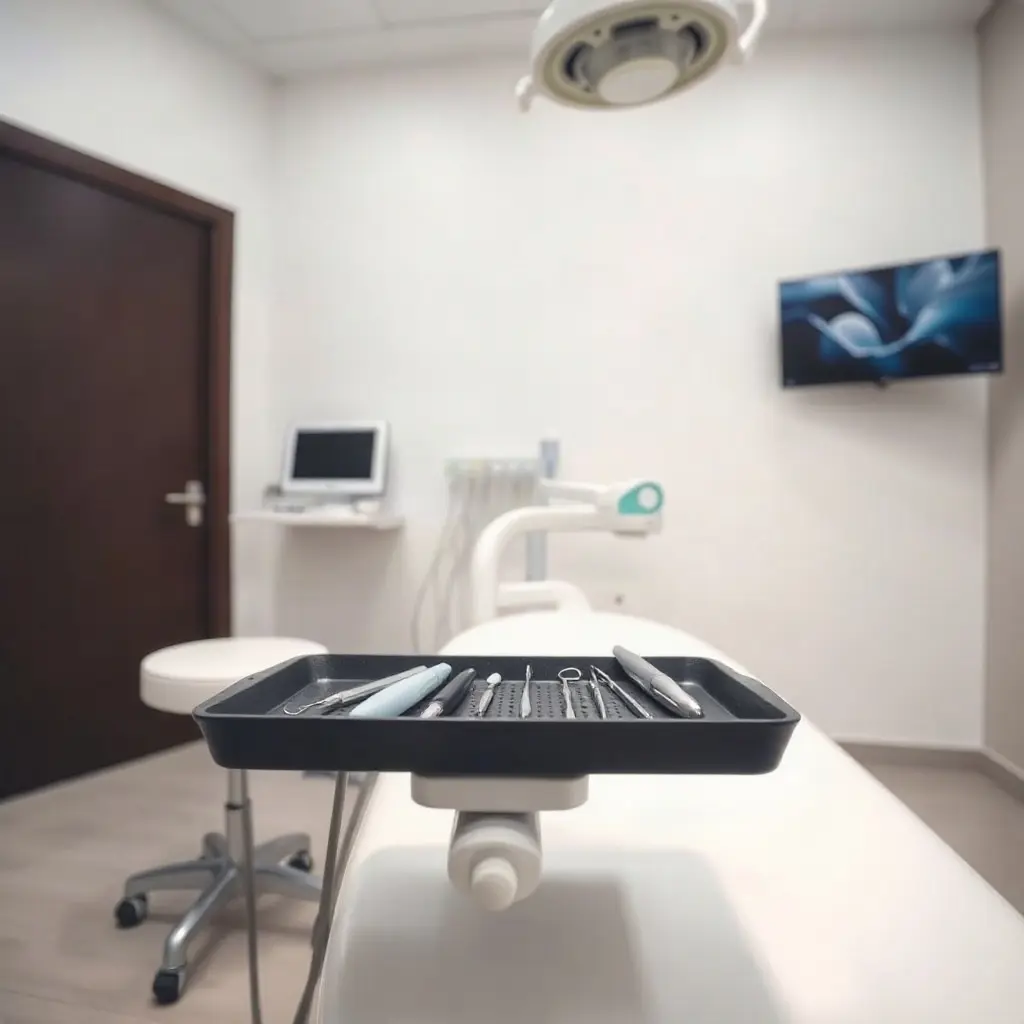
The Role of HSE Public Dental Services
The Health Service Executive provides dental care primarily to specific groups, with a core focus on children and individuals with special needs. This system is funded through taxation and operates as a public health service. The primary objective of the HSE dental program is preventative care and the treatment of dental issues among younger populations, ensuring that children receive screenings and necessary interventions during their developmental years.
For adult patients, HSE dental access is generally restricted to individuals who hold a valid medical card. Even within this demographic, the availability of services can vary based on regional resource allocation and the current capacity of local clinics. Adults covered by the HSE usually have access to emergency dental treatment for pain relief, but elective procedures are frequently subject to waiting lists. The scope of services typically focuses on essential dental care rather than cosmetic enhancements.
Understanding PRSI Dental Treatment Benefits
The Treatment Benefit Scheme, supported by social insurance contributions, provides a different model of care for employees and self-employed individuals who meet specific contribution requirements. Unlike the HSE system, this is not a comprehensive insurance plan but rather a benefit that subsidizes certain routine dental procedures. It is designed to assist eligible participants in managing the costs associated with regular oral health check-ups and basic dental maintenance.
When utilizing PRSI benefits, individuals often visit private dental practitioners who have registered to provide services under the scheme. The benefit typically covers an annual oral examination. In some instances, it may also contribute toward the cost of a scale and polish or more intensive cleaning, depending on the current guidelines provided by the Department of Social Protection. Because these benefits are linked to employment status and contribution history, eligibility is verified through personal social insurance records rather than through clinical need alone.
Key Differences in Eligibility Criteria
Eligibility for HSE dental services is dictated by age and, in the case of adults, financial status as defined by the medical card system. Children under the age of sixteen are the primary recipients, with specific protocols in place for school-based screening programs. For adults, the possession of a medical card is the gateway to receiving non-emergency care, though the range of treatments provided to medical card holders may still be more limited than services available through private arrangements.
Conversely, PRSI dental benefits are determined by the individual’s contribution record. This system is independent of age or medical card status, provided the worker has accumulated enough Class A, E, P, H, or S contributions. Those who have been in employment for a certain period are generally eligible, regardless of their income level. Because the two systems serve different populations, some individuals may theoretically qualify for both, though they cannot use both to fund the same specific treatment session.
Typical Scope of Procedures and Costs
The financial structure of dental care in Ireland is heavily influenced by which system covers the visit. HSE dental care for those eligible is provided without a charge for the patient, as the service is fully funded by the state. The cost to the government is managed through annual budgetary allocations to regional dental clinics, meaning the patient does not handle fees for covered procedures.
Under the PRSI scheme, the structure involves a subsidy rather than full coverage. The Department of Social Protection covers a set amount for a yearly exam. If a dentist charges more than the standard rate set by the department for a specific service, the patient is responsible for paying the difference. Typical costs for private dental work outside of these schemes vary widely, often ranging from 50 EUR to over 200 EUR for routine maintenance, depending on the location of the practice and the specific complexity of the cleaning or examination required.
Navigating the Access Process
Accessing HSE dental care usually involves contacting a local health center or dental clinic. Due to the high demand for public dental services, patients may be placed on a waiting list for non-urgent appointments. For urgent cases, such as acute pain or infection, clinics typically provide a protocol for emergency assessment. It is important to confirm current local availability, as staffing levels and clinic hours can fluctuate throughout the year.
Accessing PRSI benefits requires a simpler administrative step. Patients usually confirm their eligibility online through the MyWelfare portal or by asking their dentist to verify their status. Once eligibility is confirmed, the dentist processes the claim directly with the department. The patient is then only responsible for the balance, if any, that exceeds the subsidization rate provided by the social insurance fund.
Common Considerations for Oral Healthcare Planning
When considering which route to take, patients often look at their immediate dental needs versus the long-term maintenance of their oral health. Those relying on the HSE are limited by the capacity of the public system and the strict eligibility rules regarding age or medical card status. Planning for potential dental needs in this category requires awareness that elective or restorative procedures might not be covered or may involve long wait times.
For those eligible for PRSI benefits, the primary consideration is the balance of costs. Because the scheme is a subsidy, individuals must be prepared to cover the remainder of the invoice out of pocket. Many patients find that keeping a record of their annual entitlements helps them plan their visits, as the benefit usually resets on an annual basis. Regardless of the system utilized, maintaining consistent records and scheduling regular check-ups is the standard approach to avoiding more complex and costly dental interventions in the future.