

Akita rescue dogs available for adoption near you: A 2026 guide to locations, costs and adoption checks
Akita rescue dogs available for adoption near you may be found through breed-specific rescues, shelters and foster networks. This guide explains locations, typical fees, application requirements, health records, temperament checks and the risks of changing availability.
Key facts
- Published 2026 shelter data shows adult dog adoption fees ranging from $25 to $500, with a median of $161.
- A published Akita guide places typical adult rescue fees around $300 to $500 and puppy fees around $450 to $700. 1
- Akita Rescue Society of Florida is identified in Jacksonville, Florida, while Big East Akita Rescue is identified in Toms River, New Jersey. 2 3
- Applications commonly examine housing, household members, other pets, experience, references and veterinary arrangements before approval.
People searching for Akita rescue dogs available for adoption near you generally need to look across several types of organizations rather than rely on one page. Breed-specific rescues, municipal shelters, humane societies and foster-based groups may all handle Akitas, and each can have different service areas, records and adoption rules. Availability changes as dogs are surrendered, placed or transferred, so an online profile should be treated as an introduction rather than confirmation that a particular dog remains eligible or locally located.
Where Akita adoptions are commonly handled
Breed-specific organizations focus on Akitas and may have foster homes, transport arrangements and volunteers familiar with the breed. Examples include Akita Rescue Society of Florida, identified in Jacksonville, Florida, and Big East Akita Rescue, identified in Toms River, New Jersey. 2 3 These examples illustrate regional coverage, not a guarantee of current dogs or placement outside their normal service areas.
- Local animal shelters and humane societies may receive Akitas as owner surrenders or strays.
- Foster-based rescues can provide household observations that are difficult to obtain in a kennel.
- Regional organizations may coordinate transport, while others require the adopter to travel and collect the dog.
How to verify current availability
A profile can become outdated when a dog is adopted, placed on hold, moved to another foster home or found unsuitable for a particular household. Confirmation should therefore include the dog’s current location, status, adoption jurisdiction and the date of the latest health or behavior assessment. A rescue that communicates clearly should be able to explain whether applications are still being reviewed and whether the dog can be considered by households outside its immediate area.
Searches by state, metropolitan area and breed name can widen the options, but distance affects the practical process. Some organizations arrange an in-person meeting before approval, while others expect applicants to visit a foster home. Transport may involve separate planning and costs. A dog described as available in a regional post may no longer be available when an application is completed, so suitability and timing should be confirmed directly with the responsible organization.
Typical adoption fees and related costs
Adoption fees vary with age, location, medical care and what the organization has already provided. A 2026 review of 18 United States shelters reported a median dog fee of $161 for adults, with adult fees ranging from $25 to $500 and senior fees ranging from $0 to $500. 4 A breed-focused guide reports approximately $300 to $500 for adult Akitas and $450 to $700 for puppies, while noting that age and care affect the amount. 1
| Dog or setting | Published 2026 figures | How to interpret it |
|---|---|---|
| Adult dogs at surveyed shelters | $25 to $500; $161 median | Broad shelter comparison, not an Akita-specific quote. 4 |
| Adult Akitas through a published guide | About $300 to $500 | Typical guide estimate that varies by organization. 1 |
| Puppies through a published guide | About $450 to $700 | Higher figures may reflect early medical care and demand. 1 |
What an adoption application usually covers
Applications commonly ask about property type, fencing, landlord permission, daily schedules, household members, children, other animals, previous dog experience and plans for veterinary care. An interview may explore whether the applicant understands the size, strength and independent temperament of an Akita. References, a home assessment and a meet-and-greet may also be required. These steps are intended to compare the individual dog’s needs with the proposed home, rather than simply process applications in order.
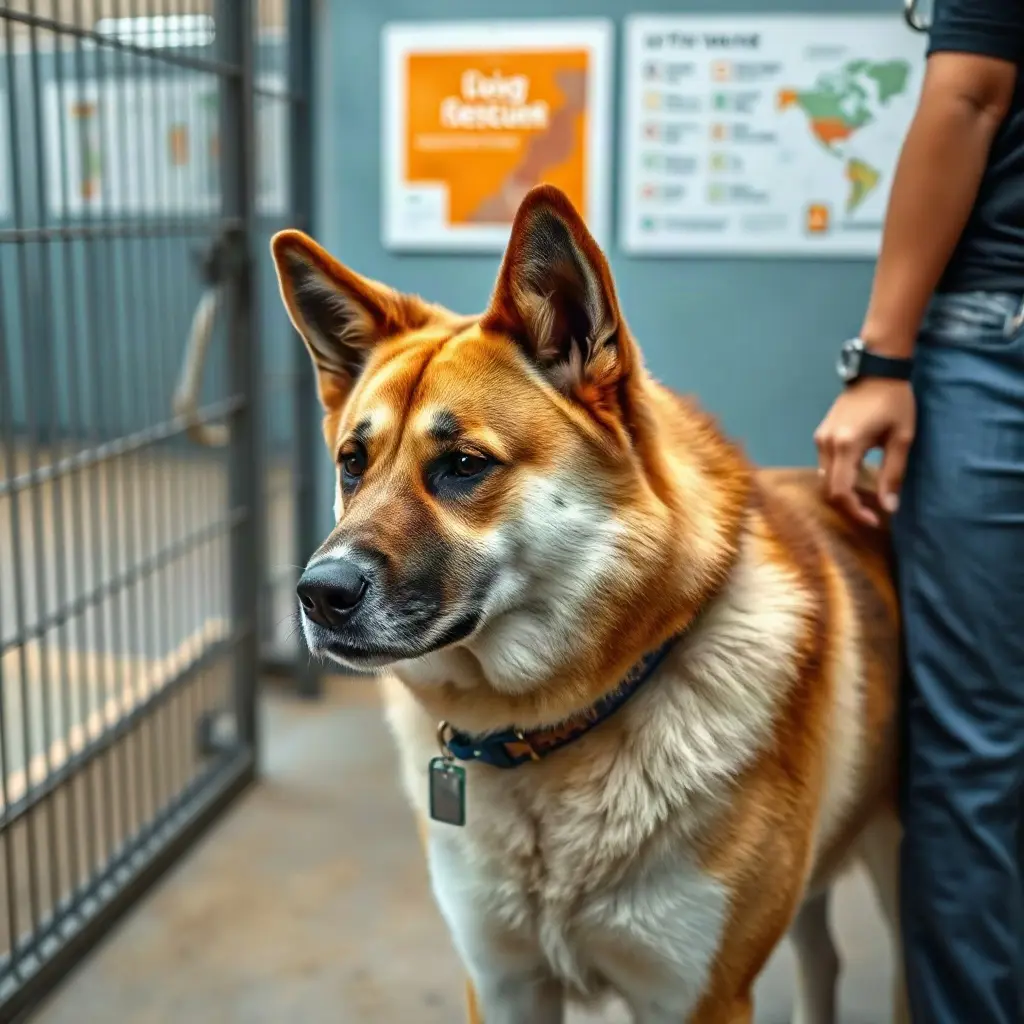
Approval is not necessarily automatic after an application is submitted. A rescue may decline a placement because of restrictions on housing, incompatibility with another animal, insufficient experience or a mismatch between the dog’s behavior and the household. Policies differ, so applicants should ask about return procedures, adoption contracts, follow-up support, required introductions and whether the organization retains responsibility if the placement does not work.
How to evaluate an individual Akita
Breed labels do not describe every dog equally. Ask for the dog’s age, sex, size, sterilization status, vaccination history, microchip information, veterinary findings, medication needs and known medical conditions. Behavioral questions should cover strangers, children, visitors, handling, food, toys, leash walking, separation, resource guarding and reactions to dogs, cats or small animals. Foster observations are useful, but they remain observations in one setting and cannot eliminate uncertainty about a dog’s earlier history.
- Request a clear explanation of known behavior and any incidents, rather than relying on general breed descriptions.
- Arrange controlled introductions with every household member and resident dog when the organization permits them.
- Consider whether the dog’s energy, size and social preferences fit the home’s routines and physical layout.
- Ask which records will transfer and which veterinary appointments remain the adopter’s responsibility.
Akita temperament, housing and daily handling
Akitas are large, powerful dogs with thick double coats and a reputation for loyalty, alertness and independence. A breed guide describes typical Akitas as playful, loyal, affectionate, alert and sometimes stubborn, with a listed weight range of 86 to 130 pounds and a lifespan of 10 to 14 years. 1 Those figures are broad breed descriptions, not predictions for an individual rescue dog. Secure containment, controlled introductions and consistent training are important practical considerations.
A suitable home needs a realistic plan for exercise, grooming, hot-weather management, enrichment and supervision around unfamiliar people or animals. Akitas may be calm indoors yet still require dependable handling in public spaces. Training should use clear, consistent methods and account for the dog’s independence. Housing rules, fencing standards and neighborhood conditions can affect eligibility, while ongoing food, grooming, routine veterinary care, training and unexpected medical expenses extend well beyond the initial adoption fee.
Risks and standards for choosing a rescue
A responsible organization should explain its intake process, veterinary practices, foster arrangements, adoption contract, service region and policies for returns or placement disruption. It should distinguish confirmed facts from reports based on limited observation. Warning signs include pressure to send money before basic questions are answered, reluctance to disclose the dog’s location, inconsistent medical details or claims that every Akita is automatically suitable for children and other pets.
Adoption carries uncertainty because some records are incomplete and behavior can change after a dog leaves a shelter or foster home. Regulatory requirements also differ among states and local jurisdictions, particularly for licensing, transport and sterilization. Comparing several organizations, reviewing written terms and allowing time for household introductions provides a more reliable basis for a decision than treating a single profile as a guaranteed local opportunity.
Sources
- How to Adopt an Akita - Dog Adoption - Dog Academy: https://dogacademy.org/adoption/adopt-an-akita/
- Akita Rescue Society of Florida: https://exa.ai/library/place/zw46ytvc5mh
- Big East Akita Rescue: https://exa.ai/library/place/pv3gf50ccl2
- Dog Adoption Fees — What 18 US Shelters Actually Charge (2026) | Pawdget: https://pawdget.com/guides/dog-adoption-fees/