

Medical Supply Delivery Jobs Using Your Own Vehicle: What to Know
An overview of the requirements, operational expectations, and financial considerations for individuals considering medical supply delivery roles using personal vehicles. This guide covers insurance necessities, equipment standards, and the logistical realities of transporting time-sensitive healthcare items.
Medical supply delivery using a personal vehicle is a specialized niche within the courier industry that requires strict adherence to safety, timeliness, and regulatory standards. Unlike general package delivery, this field involves the transport of items ranging from pharmaceuticals and surgical kits to laboratory specimens and medical equipment. Because these items are essential for patient care, the role demands a high level of reliability and an understanding of specific logistical protocols.
Vehicle Requirements and Maintenance Standards
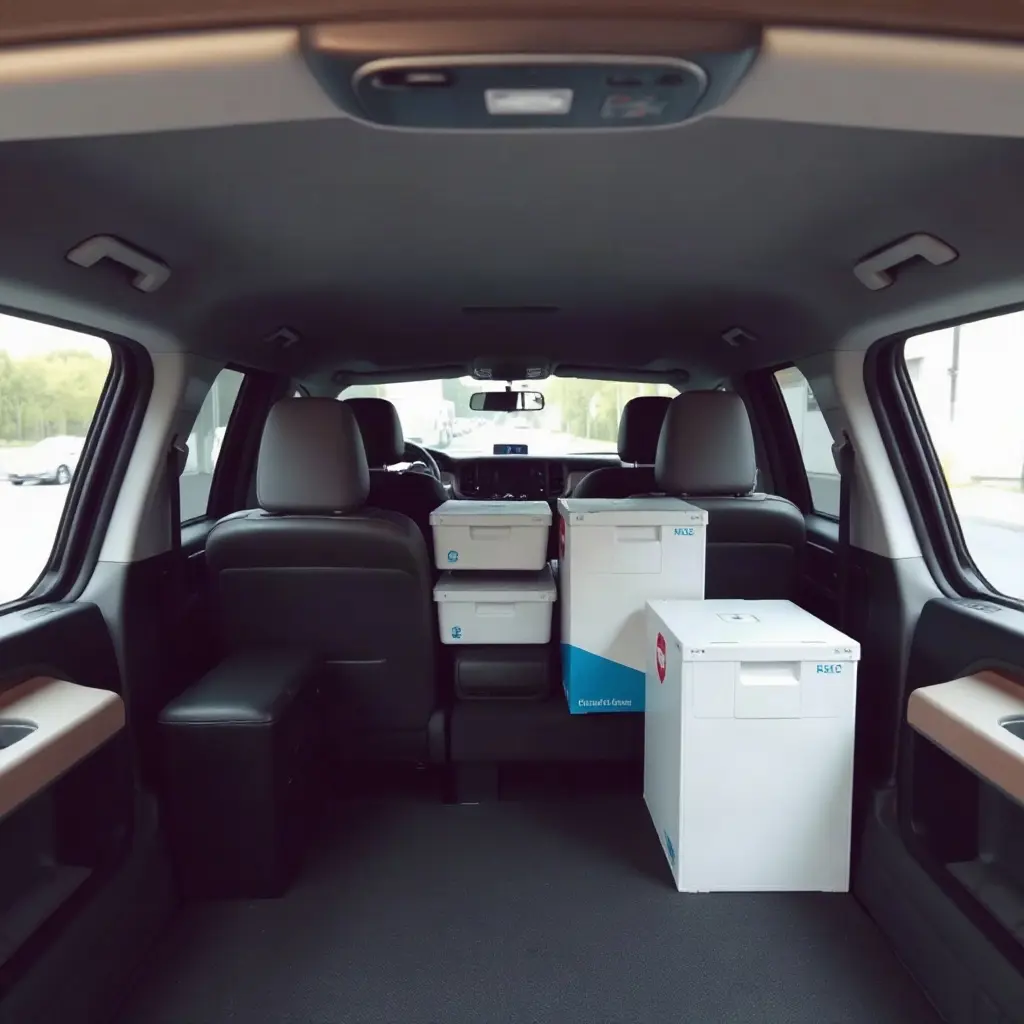
When using a personal vehicle for medical deliveries, the primary concern is the integrity of the items being transported. Most contracts or service agreements require a vehicle that is clean, well-maintained, and reliable. Because medical supplies can include temperature-sensitive medications or fragile equipment, a standard passenger sedan may be insufficient for certain assignments. Some providers require vehicles with specific cargo space dimensions or the ability to secure items so they do not shift during transit.
Maintenance is a recurring operational responsibility. A vehicle that is frequently off the road due to mechanical issues can lead to missed deliveries, which are often penalized in professional contracts. Drivers must account for increased mileage, as this industry often involves high-volume, local routes. Regular service intervals for tires, brakes, and engine components are necessary to ensure the vehicle remains suitable for professional use throughout the year.
Insurance Coverage and Liability Considerations
Standard personal auto insurance policies typically do not cover accidents or damages that occur while a vehicle is being used for commercial purposes. Using a personal vehicle for business deliveries requires a shift in insurance coverage, often through a commercial policy or a specific endorsement added to a personal policy. This type of coverage is intended to protect the driver, the vehicle, and the cargo in the event of an incident.
The cost of commercial insurance varies significantly based on factors such as the driver's history, the type of vehicle, and the geographic region. Premiums for this coverage can range from a few hundred to over a thousand dollars annually, depending on the scope of the business activities and the required liability limits. It is essential for individuals to review the policy details to ensure it specifically covers the delivery of medical goods, as some insurers have exclusions for certain types of high-value or hazardous cargo.
Understanding Regulatory Compliance and Safety
Transporting medical items often involves handling sensitive materials. Depending on the nature of the supply, there may be requirements for handling biohazards or controlled substances. Drivers may be expected to follow specific health and safety guidelines to prevent contamination and ensure that items remain stable throughout the delivery process. In many regions, training in universal precautions or the handling of hazardous materials is a prerequisite for taking on these roles.
Security is another critical aspect of compliance. Drivers must often verify the identity of the recipient and maintain a strict chain of custody. This involves documenting exactly when an item was picked up, where it was transported, and who received it at the final destination. The ability to maintain accurate records is just as important as the ability to drive safely, as these logs serve as evidence of compliance for healthcare institutions.
Financial Realities and Operational Costs
The financial structure of medical supply delivery jobs is often based on a per-delivery or per-mile compensation model. Unlike traditional employment, these roles are frequently structured as independent contracting, meaning the individual is responsible for all expenses associated with the vehicle. These expenses include fuel, insurance, regular maintenance, repairs, and depreciation.
When calculating potential earnings, it is necessary to deduct these operational costs from the gross payment. A significant portion of the revenue must be set aside for the wear and tear that high-mileage driving places on a vehicle. Because the income is not typically fixed, earnings can fluctuate based on the volume of deliveries, the time of day, and the distance between pickup and drop-off points. Market conditions, such as fuel price volatility, can also impact the net profitability of the work.
Logistical Expectations and Time Sensitivity
Medical deliveries are rarely flexible regarding timing. Items like blood samples, temperature-controlled vaccines, or urgent surgical instruments must arrive within tight windows to remain viable. This makes effective route planning and time management essential skills. Traffic patterns, road construction, and weather conditions are variables that a driver must navigate without compromising the condition of the medical supplies.
Many assignments will require the use of specific applications or tracking software to provide real-time updates to dispatchers and recipients. Proficiency with mobile technology is a standard requirement, as these systems monitor the progress of the delivery and confirm that the cargo is kept at the appropriate temperature or in the correct position. Failing to meet the delivery time expectations can have serious consequences for the medical facilities awaiting the supplies.
Common Pitfalls and How to Manage Them
One of the most frequent challenges for new drivers in this field is underestimating the hidden costs of business operation. It is common to focus solely on the gross rate per delivery, but failing to account for the accelerated depreciation of the vehicle can lead to financial strain. Maintaining a clear separation between personal and professional expenses, as well as keeping a dedicated reserve fund for unexpected repairs, is a standard approach to mitigating this risk.
Another challenge is the pressure of the work environment. The sense of urgency inherent in medical deliveries can lead to increased stress, which may contribute to unsafe driving behaviors if not managed properly. Prioritizing safety over speed is a core requirement of the industry, as a damaged or delayed delivery of medical supplies is often more problematic than the extra minutes taken to ensure the items arrive securely. Understanding the specific contractual obligations and the limits of one's own capacity is the most effective way to navigate the responsibilities of this profession.