10 Essential Wild Atlantic Way Stops to Experience in Ireland: Your Ultimate Ireland Travel Guide
Facts:
- Ireland's Wild Atlantic Way is the longest defined coastal touring route in the world, stretching 2,500 km.
- Tourism along the Wild Atlantic Way is consistently growing for adventure seekers and cultural tourists, boosting local economies.
Unveiling the Majesty of Ireland's Wild Atlantic Way: A Journey Through Irish Coastal Routes
Embark on an unforgettable adventure along the Wild Atlantic Way, a captivating journey that winds through Ireland's rugged western coastline. This iconic route offers a tapestry of breathtaking landscapes, ancient history, vibrant culture, and unparalleled natural beauty. From dramatic cliffs to serene beaches and charming villages, each stop promises a unique experience. This comprehensive Ireland travel guide will delve into 10 essential stops, ensuring you experience the true essence of Ireland's magnificent Atlantic coastline.
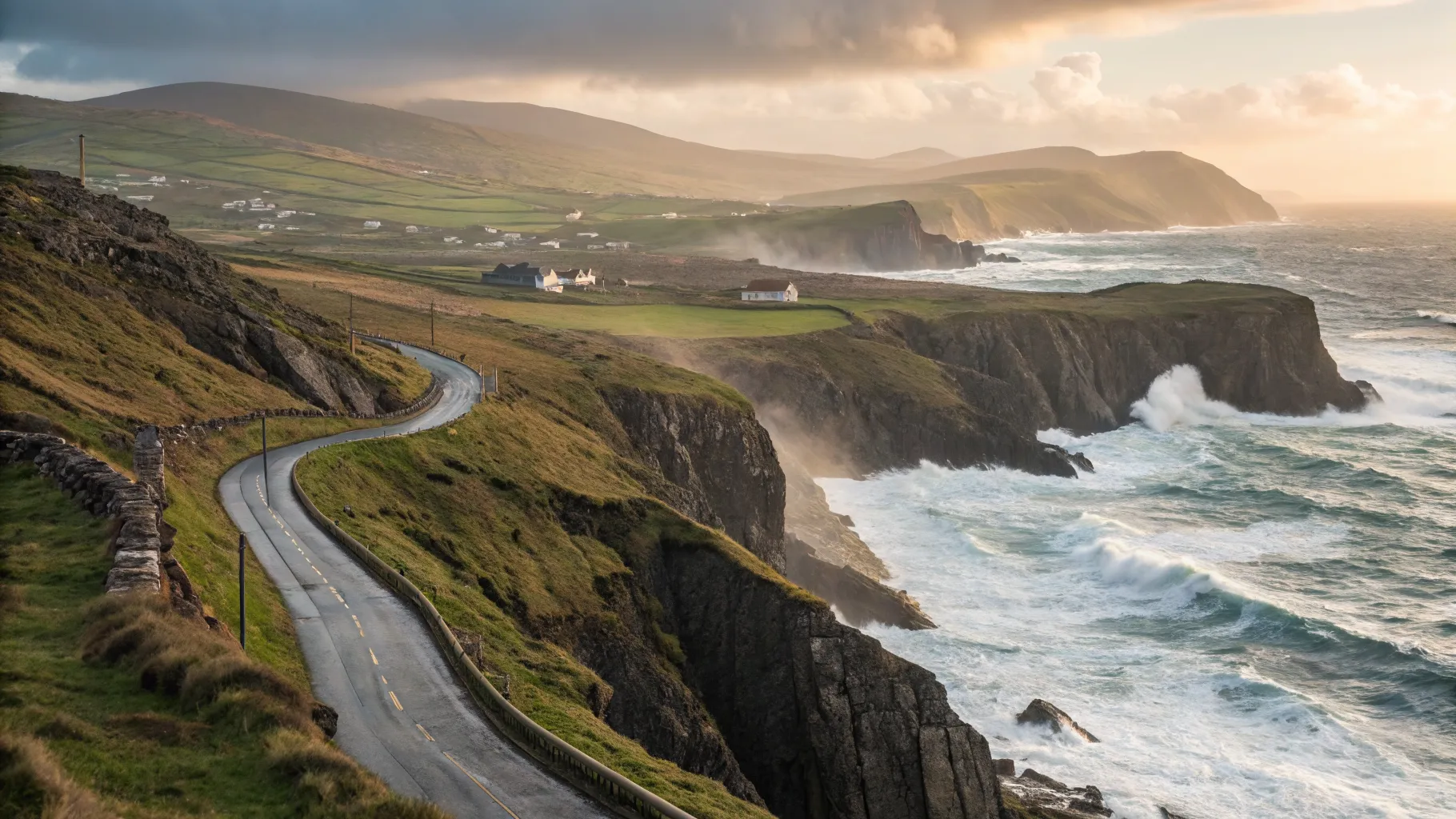
The allure of the Wild Atlantic Way lies in its raw, untamed beauty and the rich tapestry of stories etched into its ancient landscapes. It’s more than just a drive; it's an immersive experience that connects you with the heart of Irish heritage and the power of the ocean. Prepare to be enchanted by the hospitality of the locals, the fresh seafood, and the hauntingly beautiful scenery that makes this one of the world's most spectacular road trips. This guide highlights the most iconic Irish stops to help you craft an itinerary filled with wonder and discovery.
1. Kinsale, County Cork
Kinsale, a charming and historic harbor town in County Cork, marks the official start of the southern end of the Wild Atlantic Way. Known as the gourmet capital of Ireland, Kinsale boasts an impressive array of award-winning restaurants and cafes, making it a must-visit for foodies. Beyond its culinary delights, the town offers colourful streets, artisan shops, and a rich maritime history evident in landmarks like Charles Fort and Desmond Castle. Exploring Kinsale provides a vibrant introduction to the diverse experiences awaiting travellers along this incredible Irish coastal route.
2. Mizen Head, County Cork
Venture to Mizen Head, Ireland's most south-westerly point, and prepare for awe-inspiring views. This dramatic headland features a stunning bridge leading to an island lighthouse and signal station, offering unparalleled vistas of the crashing Atlantic waves and rugged cliffs. The visitor centre provides fascinating insights into the area's natural history and the lives of the lighthouse keepers. It's a truly spectacular and invigorating stop, showcasing the wild grandeur that defines the Atlantic coastline.
3. Ring of Kerry, County Kerry
The Ring of Kerry is perhaps one of the most famous and breathtaking sections of the Wild Atlantic Way, renowned for its panoramic views and diverse landscapes. This 179-km circular route around the Iveragh Peninsula encompasses pristine beaches, ancient monuments, charming towns like Killarney and Kenmare, and the majestic Killarney National Park. Driving the Ring of Kerry is an essential part of any Ireland travel guide, offering countless opportunities for stunning photographs and memorable experiences amidst some of Ireland's most beautiful scenery. The winding roads unveil a new vista at every turn, making it a truly immersive journey.
4. Cliffs of Moher, County Clare
No trip along the Wild Atlantic Way is complete without witnessing the majestic Cliffs of Moher. Towering over 200 metres above the Atlantic Ocean, these world-famous cliffs stretch for 14 kilometres, offering arguably the most dramatic coastal scenery in Ireland. A UNESCO Global Geopark, the Cliffs of Moher are home to thousands of seabirds and provide spectacular vantage points, especially from O'Brien's Tower. The visitor experience is expertly managed, allowing you to safely appreciate this natural wonder. This is one of the most iconic Irish stops, a truly unforgettable highlight of the Atlantic coastline.
5. Doolin, County Clare
Nestled beneath the Cliffs of Moher, the charming village of Doolin is known as the home of traditional Irish music. After a day of exploring the rugged coastline, immerse yourself in the warm, inviting atmosphere of Doolin's pubs, where live music sessions are a nightly occurrence. Doolin also serves as a gateway to the Aran Islands, offering ferry services for those wishing to explore these unique Gaelic-speaking islands. It’s a quintessential Irish experience, blending natural beauty with vibrant culture, making it a favourite stop on the Wild Atlantic Way.
6. Connemara, County Galway
Connemara, in County Galway, presents a wild and rugged landscape characterized by mountains, bogland, shimmering lakes, and a dramatic coastline. This Irish-speaking region is renowned for its unique beauty and tranquil atmosphere. Kylemore Abbey, a magnificent Benedictine monastery nestled by a lake, is a prominent landmark. Exploring Connemara offers a profound sense of peace and an opportunity to connect with Ireland's unspoiled wilderness, making it a truly special part of the Wild Atlantic Way.
7. Achill Island, County Mayo
Connected to the mainland by a bridge, Achill Island is the largest island off Ireland's coast and a gem of the Wild Atlantic Way. It boasts five Blue Flag beaches, dramatic sea cliffs like the Minaun Cliffs, and the majestic Slievemore Mountain. The Deserted Village at Slievemore offers a haunting glimpse into Ireland's past. Achill is a haven for outdoor enthusiasts, offering opportunities for surfing, cycling, hiking, and exploring ancient archaeological sites. Its raw beauty and peaceful ambiance make it an unforgettable stop for those seeking genuine Irish coastal routes.
8. Benbulben, County Sligo
Dominating the County Sligo landscape, Benbulben is a distinctive flat-topped mountain, often referred to as 'Ireland's Table Mountain'. This iconic geological formation is part of the Dartry Mountains and is steeped in Irish mythology. Surrounded by stunning scenery, Benbulben offers fantastic hiking trails and photographic opportunities. Its unique shape and prominent position make it a captivating landmark along the northern stretches of the Wild Atlantic Way, drawing visitors to explore its foothills and appreciate its grandeur.
9. Malin Head, County Donegal
Malin Head is the northernmost point of mainland Ireland and a truly exhilarating stop on the Wild Atlantic Way. Here, the wild Atlantic weather truly makes its presence known, with dramatic windswept landscapes and spectacular ocean views. Banba's Crown, the very tip, features an old signal tower and remnants of WWII lookout posts, offering panoramic vistas. It's a place of immense natural power and solitude, a fitting culmination or starting point for exploring the entire Atlantic coastline journey.
10. Slieve League Cliffs, County Donegal
Often overshadowed by the Cliffs of Moher, the Slieve League Cliffs in County Donegal are among the highest sea cliffs in Europe, plunging over 600 metres into the ocean. These colossal cliffs offer a more rugged and less commercialized experience, allowing visitors to feel truly immersed in the raw power of nature. Walking the narrow path along the cliff edge (weather permitting) provides unparalleled views of the ocean and the surrounding Donegal landscape. It's a truly majestic and exhilarating stop, showcasing the sheer scale and beauty of the Wild Atlantic Way.
Maximizing Your Experience on the Wild Atlantic Way
To truly appreciate the grandeur of this extensive route, careful planning is essential. While spontaneously exploring is part of the charm, knowing a few tips can enhance your journey along the Irish coastal routes and make it more comfortable and rewarding.
- Plan Your Route and Pace: The Wild Atlantic Way is vast. Decide if you want to tackle the entire route or focus on specific regions (North, Mid, or South). Allow ample time at each stop – rushing through will diminish the experience. A common mistake is trying to see too much in too little time, leading to exhaustion and missed opportunities. Consider an extra day in key areas like Kerry or Donegal to explore deeper.
- Embrace the Weather: Ireland's weather is famously unpredictable. Pack layers, waterproof outer shells, and sturdy walking shoes regardless of the season. Sunshine, rain, and mist can all appear in a single day, adding to the dramatic atmosphere of the Atlantic coastline. Don't let a little rain deter you; it often enhances the mystical beauty of the landscape.
- Engage with Locals: The warmth and hospitality of the Irish people are legendary. Strike up conversations in pubs, cafes, and shops. They can offer invaluable local insights, recommend hidden gems, and share stories that will enrich your understanding of the area. These interactions are often the most memorable parts of any Ireland travel guide experience.
- Book Accommodation in Advance: Especially during peak season (June-August), popular stops along the Wild Atlantic Way can book up quickly. Secure your accommodations, whether hotels, B&Bs, or guesthouses, well in advance to ensure availability and potentially better rates.
- Capture the Memories: Bring a good camera! The photographic opportunities along this route are endless, from sweeping landscapes to intricate details in charming villages. However, also remember to put the camera down and simply absorb the views with your own eyes.
Frequently Asked Questions
What makes the Wild Atlantic Way unique among other coastal drives?
The Wild Atlantic Way stands out due to its immense length, diverse landscapes ranging from dramatic cliffs to pristine beaches, and its deep connection to Ireland's rich culture, history, and vibrant local communities. It offers a raw, untamed experience of the Atlantic coastline that is truly distinctive.
How long does it take to drive the entire Irish coastal routes of the Wild Atlantic Way?
While technically possible to drive the entire 2,500 km route in a week, to truly experience the iconic Irish stops and absorb the culture, it's recommended to allocate at least 2-3 weeks. Many visitors choose to focus on one or two sections of the route to explore more deeply.
Is the Wild Atlantic Way suitable for families?
Absolutely! The Wild Atlantic Way offers a wide range of activities for all ages, including beaches, historical sites, wildlife watching, and adventure sports. Many towns and villages have family-friendly attractions and accommodations, making it an excellent choice for a family Ireland travel guide adventure.
What is the best time of year to visit the Atlantic coastline of Ireland?
The shoulder seasons (April-May and September-October) are often considered ideal. The weather is generally milder, tourist crowds are smaller, and accommodation prices can be more favourable. Summer (June-August) offers the warmest weather and longest daylight hours but also the largest crowds.
References
- Tourism Ireland Official Website
- Failte Ireland National Tourism Development Authority
- Discover Ireland Coastal Route Guides
- Geological Survey of Ireland Publications
- Local County Council Tourism Information