10 Clear Signs of Iron Deficiency You Should Know
10 Signs You May Have Iron Deficiency
Iron deficiency is a common health concern affecting millions of people worldwide. As we navigate through daily life, many may not realize that a lack of iron can lead to anemia and a host of health problems. Understanding the signs of iron deficiency is crucial for early detection and treatment. Here are ten signs you may have iron deficiency:
1. Pale Skin and Fatigue
One of the most noticeable signs of iron deficiency is pale skin. When your body lacks iron, it affects the production of hemoglobin, the protein in red blood cells that carries oxygen. This reduction in hemoglobin can lead to a marked decrease in complexion. If you often feel tired, even after a full night’s sleep, this might indicate low iron levels. Fatigue is one of the most common anemia symptoms, as your body struggles to deliver enough oxygen to your muscles and organs.
2. Shortness of Breath
If you find yourself feeling unusually out of breath during simple activities, this could be another warning sign of iron deficiency. The lungs require iron-rich blood for effective oxygen exchange, and without sufficient iron, you may struggle to catch your breath during activities that usually wouldn’t challenge you.
3. Dizziness and Lightheadedness
Dizziness is often linked to low iron levels, particularly if it occurs frequently or during strenuous activities. When your body is low in hemoglobin, the brain does not receive the oxygen it needs, leading to feelings of lightheadedness or fainting spells. If you experience dizziness along with fatigue, it is worth discussing with a healthcare professional.
4. Cold Hands and Feet
Feeling unusually cold in your extremities can also signify iron deficiency. Iron plays a critical role in maintaining your body’s thermoregulation. Poor circulation caused by insufficient oxygenated blood can leave your hands and feet feeling consistently chilly, making it important to pay attention to these sensations.
5. Brittle Nails
Your nails may also give you clues about your iron levels. Brittle or spoon-shaped nails, which curve upwards, can be a sign of iron deficiency. Iron is vital for the strength and health of your nails, and deficiencies can lead to physically weak or easily broken nails.
6. Cravings for Non-Food Items
Interestingly, a condition known as pica can occur when a person craves non-food items such as dirt, chalk, or clay. This unusual craving is often associated with a deficiency in minerals, including iron. If you find yourself longing for non-edible substances, it’s time to investigate your iron intake.
7. Restless Legs Syndrome
Many people with iron deficiency experience Restless Legs Syndrome (RLS), characterized by uncomfortable sensations in the legs and a constant urge to move them. This condition can disrupt sleep and affect daily activities, further compounding the fatigue associated with low iron levels.
8. Frequent Infections
Iron is also crucial for a healthy immune system. Insufficient iron levels can hamper the body’s ability to fight off infections effectively. If you find yourself catching colds, flu, or other infections more frequently than usual, low iron might be contributing to your health issues.
9. Heart Palpitations
Iron deficiency can lead to heart palpitations, where you may feel your heart racing or skipping beats. These occur because your heart might work harder to deliver oxygen-rich blood throughout your body when iron levels are low. Such symptoms should never be ignored as they may lead to more serious cardiovascular issues if left unchecked.
10. Cognitive Impairment
Finally, a lack of iron can negatively impact cognitive functions. Individuals might experience difficulty concentrating, memory lapses, or increased irritability. This is especially evident in children with iron deficiency, who may struggle with learning and focus in school.
Taking Action Against Iron Deficiency
If you resonate with any of these signs, it’s essential to take proactive steps. Consider consulting with a healthcare professional who can test your iron levels through blood work. They may recommend dietary changes or supplements to replenish iron in your system.
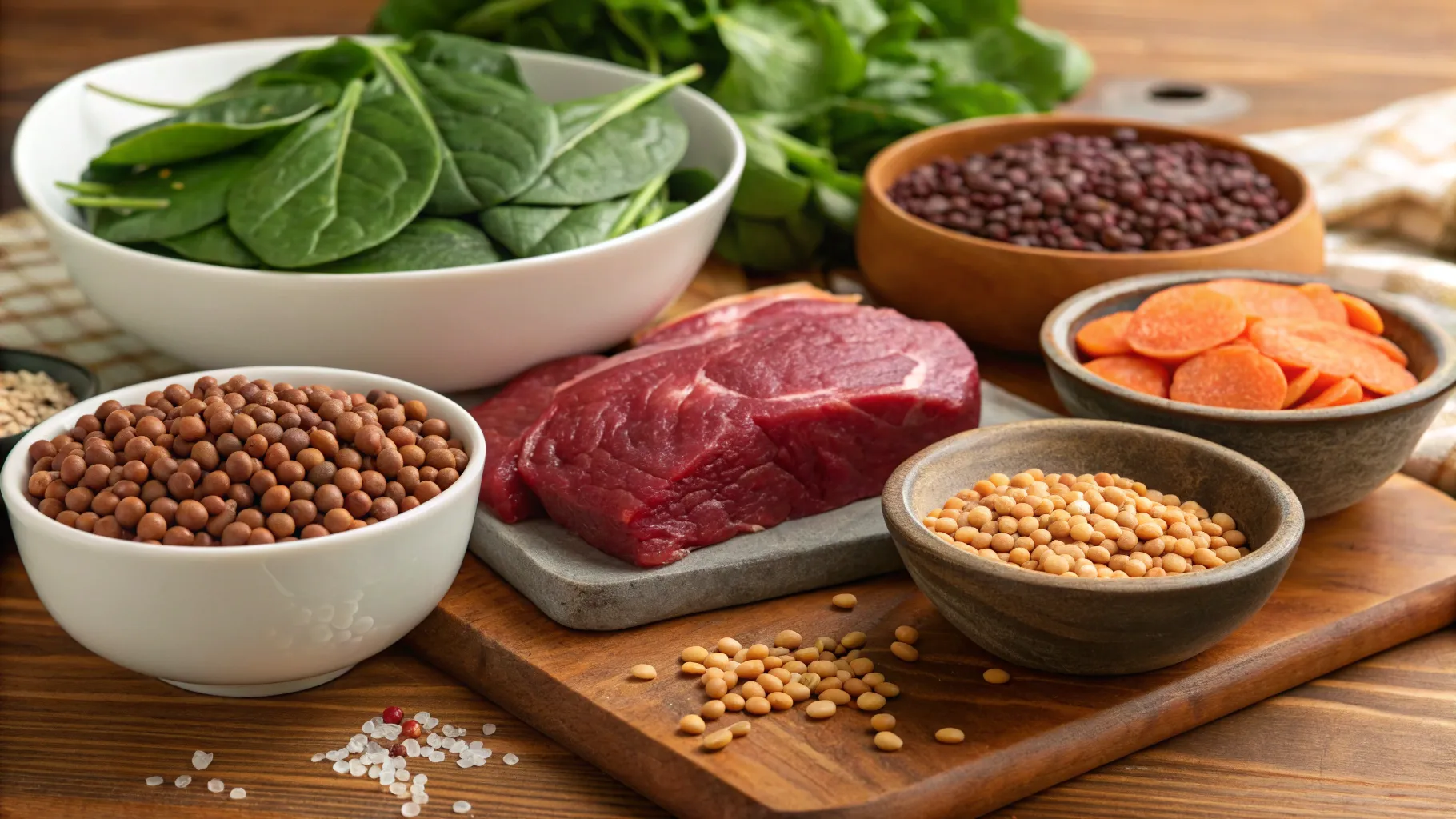
- Include iron-rich foods such as red meat, spinach, legumes, and fortified cereals in your diet.
- Avoid consuming calcium and iron-rich foods simultaneously, as calcium can hinder iron absorption.
- Consider vitamin C-rich foods like oranges or bell peppers to enhance iron absorption when eating plant-based iron sources.
As you care for your health, understanding the signs of iron deficiency may just empower you to make necessary changes to your routine. Being aware of these symptoms is a proactive approach that can lead to a better quality of life and increased energy.
With growing awareness and education, many are now turning to holistic approaches to boost their iron levels naturally rather than relying solely on supplementation. Remember, awareness is the first step to recovery; if you spot several signs on this list, reaching out to a healthcare provider could be your next best step.