10 Signs of Thyroid Problems You Shouldn’t Ignore
Recognizing Thyroid Problems Early: 10 Key Signs
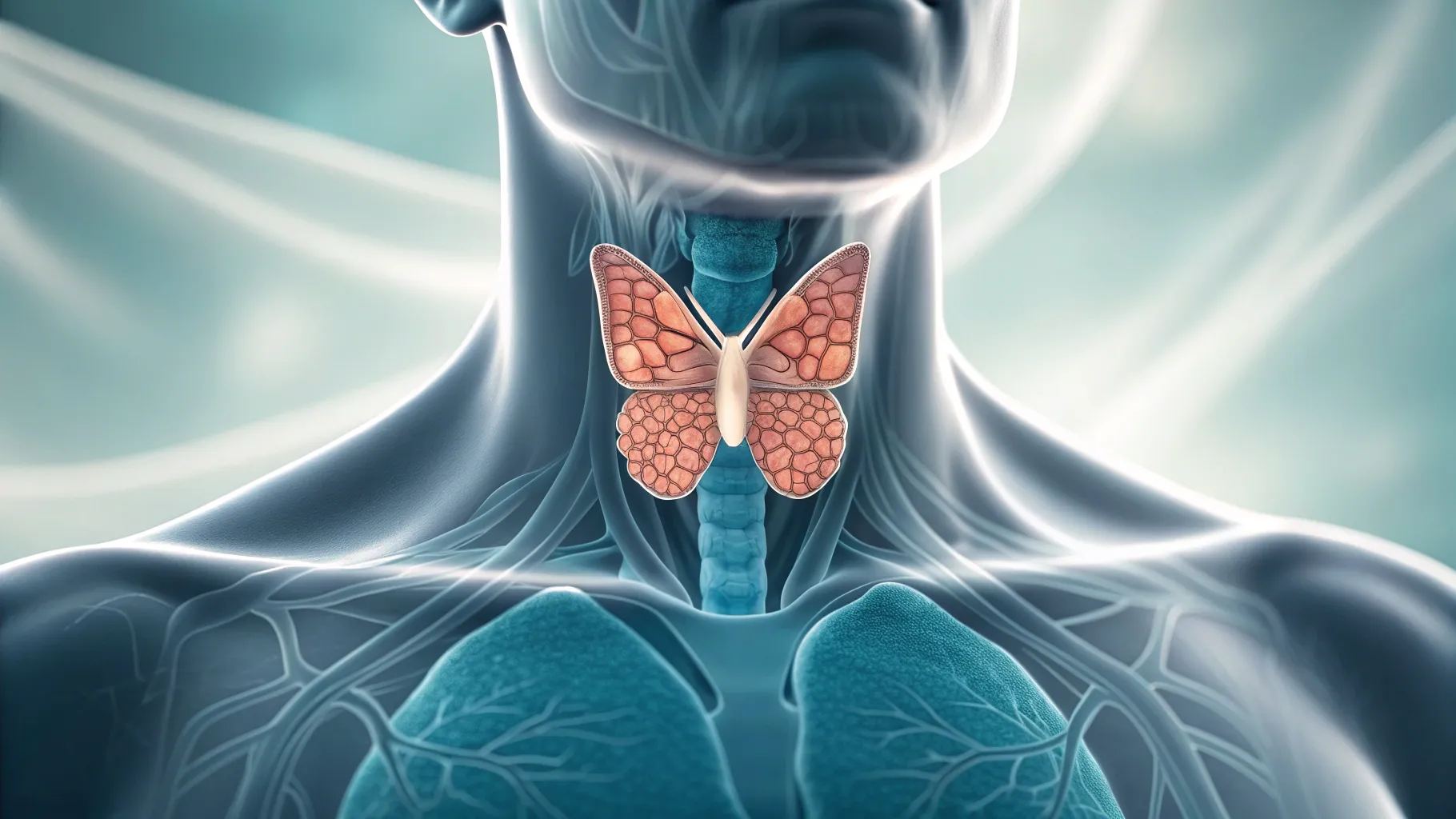
The thyroid gland, a small butterfly-shaped organ located at the front of your neck, plays a pivotal role in regulating metabolism, energy utilization, and hormonal balance. In 2025, increased awareness about thyroid health is crucial, as many individuals may overlook the signs of thyroid issues. Here are ten common symptoms that could indicate a thyroid imbalance.
1. Unexplained Weight Fluctuations
One of the most telling signs of a thyroid problem is experiencing sudden weight changes that are not attributed to lifestyle changes. Individuals suffering from hypothyroidism, where the thyroid is less active, may struggle to lose weight despite a healthy diet and exercise routine. Conversely, those with hyperthyroidism, which results in an overactive thyroid, often face rapid weight loss even when their appetite remains normal. The American Thyroid Association notes that around 20 million Americans are currently struggling with thyroid diseases, making weight fluctuations one of the most prevalent symptoms. Recent studies indicate that 45% of those diagnosed with thyroid disorders report significant changes in their weight within a year.
2. Persistent Fatigue and Weakness
Feeling constantly tired, even after a full night’s rest, might signify an underlying thyroid issue. With hypothyroidism, fatigue can be severe, creating difficulties in maintaining daily routines. Those suffering from hyperthyroidism may experience muscle weakness, especially in their limbs, contributing to a consistent feeling of exhaustion. In 2025, healthcare providers recognize fatigue as a vital symptom pointing towards thyroid health; a simple blood test can effectively assess thyroid function.
3. Emotional Disturbances: Mood Swings and Depression
Thyroid hormones have significant impacts on mental well-being. Individuals with hypothyroidism often report feelings of depression and a general lack of enthusiasm, while hyperthyroidism can lead to heightened anxiety, irritability, and sudden mood changes. A survey conducted recently showed that over 60% of respondents with undiagnosed thyroid issues exhibited symptoms of anxiety and depression, highlighting the critical link between thyroid health and mental stability.
4. Irregular Heart Rates
Your heart rate is a vital indicator of your overall health, and it can offer hints about your thyroid condition. If you notice an increased heartbeat or tachycardia, it could be a sign of hyperthyroidism, causing unusual palpitations that can disrupt your day. On the flip side, those with hypothyroidism might experience a slowed heart rate, leading to feelings of lethargy. Heart rate monitoring should regularly be part of routine check-ups to catch any potential thyroid issues early.
5. Changes in Hair and Skin Health
- Dry Skin and Hair Loss: A hallmark of hypothyroidism, many individuals report noticeably dry skin alongside thinning hair or hair loss.
- Excessive Sweating: Those with hyperthyroidism might experience increased sweating even in cool conditions, which can be uncomfortable.
- Nail Changes: Brittle nails that break or chip easily may indicate underlying thyroid problems.
6. Temperature Sensitivity
Feeling excessively hot or cold can provide further insight into your thyroid health. With hypothyroidism, many people develop heightened sensitivity to cold, while those with hyperthyroidism often report feeling excessively warm and bothered by heat. A study published in early 2025 found that approximately 60% of individuals with thyroid dysfunction experienced significant sensitivity to temperature changes.
7. Mental Clarity Issues: Difficulty Concentrating
Thyroid health influences cognitive functions, impacting memory and focus. Those with hypothyroidism frequently express difficulties in concentrating and report experiences of brain fog or forgetfulness—an alarming symptom in today’s fast-paced world. Understanding how thyroid issues can correlate with cognitive disruptions is essential; tracking your memory and concentration patterns is critical for seeking timely medical advice.
8. Digestive Problems
Your thyroid plays an integral role in digestive health as well. Underactive thyroid function (hypothyroidism) can lead to constipation, while overactivity (hyperthyroidism) may result in diarrhea or more frequent bowel movements. If you notice significant shifts in your digestion, it’s advisable to discuss these changes with your healthcare provider; maintaining digestive health is vital to overall well-being.
9. Menstruation Irregularities in Women
Women are particularly vulnerable to the effects of thyroid disorders. Those experiencing hypothyroidism often notice heavier and prolonged menstrual periods, while hyperthyroidism can lead to lighter or less frequent cycles. Recent research indicates that around 30% of women with diagnosed thyroid issues face substantial menstrual irregularities, so documenting these changes can facilitate meaningful discussions with healthcare providers.
10. Goiter: An Enlarged Thyroid Gland
Goiter, or the enlargement of the thyroid gland, serves as a physical manifestation of potential thyroid issues. It can be associated with both hypothyroidism and hyperthyroidism and may cause visible neck swelling. In regions with prevalent iodine deficiencies, goiter occurrences are notably higher. If you observe any swelling in your neck or experience difficulty in swallowing, seeking medical advice promptly is essential.
In conclusion, identifying thyroid problems early can drastically improve your quality of life. If you relate to any of the signs mentioned above, it’s crucial to consult a healthcare professional for appropriate tests and diagnosis. Managing thyroid disorders effectively can help you restore balance to your hormonal health and overall well-being.