A Guide to a 7-Night Baltic Capitals Cruise in Summer 2026
A cruise through the Baltic Sea offers a unique opportunity to visit several of Northern Europe's most captivating capital cities in a single journey. This type of voyage combines the comfort of a floating hotel with a rich itinerary steeped in history, culture, and stunning natural beauty. As you plan for a potential summer 2026 trip, understanding the destinations and the cruise experience is key to making the most of your adventure.
What is a Baltic Capitals Cruise?
A Baltic Capitals cruise is a popular itinerary that navigates the waters of the Baltic Sea, typically stopping at the major coastal cities of the surrounding countries. These voyages are especially popular in the summer months, from June to August, when the weather is pleasant and the days are long, offering ample daylight for exploration. The route often highlights cities that were once part of the Hanseatic League, a medieval commercial and defensive confederation, which means you'll encounter a wealth of beautifully preserved medieval architecture and maritime history.
The typical 7-night journey provides a condensed yet immersive look into the diverse cultures of the region. Each port offers a distinct atmosphere, from the modern design of Finland to the medieval allure of Estonia, the Art Nouveau elegance of Latvia, and the royal grandeur of Sweden. This travel style is convenient, as it eliminates the need to pack and unpack multiple times or arrange complex overland travel between countries. You simply wake up in a new, exciting destination each day.
Port of Call: Helsinki, Finland
Often a starting point for Baltic cruises, Helsinki is known as the 'Daughter of the Baltic'. It is a city where modern design and architecture blend seamlessly with nature. Its compact city center makes it easy to explore on foot during a port day. You can wander through the Design District to see the works of local artisans, visit the bustling Market Square for local foods and crafts, or simply enjoy the seaside ambiance.
Helsinki is home to several unique landmarks that are worth visiting. Many shore excursions or independent explorations focus on these key sites:
- Suomenlinna: A UNESCO World Heritage site, this 18th-century sea fortress is spread across six linked islands and is a popular spot for both tourists and locals.
- Temppeliaukio Church: Also known as the Rock Church, this Lutheran church was built directly into solid rock, creating a unique and acoustically impressive space.
- Senate Square: Surrounded by neoclassical buildings, including the Helsinki Cathedral, this square is the architectural heart of the city and a stunning example of 19th-century urban planning.
Port of Call: Tallinn, Estonia
A stop in Tallinn is like stepping back in time. The city's Old Town is one of the best-preserved medieval city centers in Europe and is a designated UNESCO World Heritage site. Enclosed by ancient walls and dotted with guard towers, the area is a maze of cobblestone streets, hidden courtyards, and historic buildings. The Old Town is divided into two parts: the lower town, which was the hub for merchants and artisans, and Toompea Hill, the upper town, which was the seat of the nobility and rulers.
Exploring Tallinn on foot is the best way to soak in its atmosphere. You can climb Toompea Hill for panoramic views of the city and the sea, visit the magnificent Alexander Nevsky Cathedral, and browse the shops selling traditional amber jewelry and knitwear. Just outside the medieval walls, you can find a more modern side of Tallinn, with sleek restaurants and creative hubs, showcasing the city's dynamic evolution.
Port of Call: Riga, Latvia
Riga, the capital of Latvia, is renowned for having the finest and largest collection of Art Nouveau architecture in the world. A walk through the city's 'Quiet Centre' reveals elaborate building facades adorned with intricate sculptures, floral motifs, and mythological figures. Like Tallinn, Riga's historic center is also a UNESCO World Heritage site, offering a fascinating blend of medieval structures and early 20th-century grandeur.
Beyond its architectural splendor, Riga offers a vibrant cultural experience. The Riga Central Market, housed in five massive former Zeppelin hangars, is one of Europe's largest markets and a great place to sample local delicacies. In the Old Town, you can find the iconic House of the Blackheads, St. Peter's Church with its towering spire offering city views, and the Riga Cathedral, known for its enormous pipe organ.
Port of Call: Stockholm, Sweden
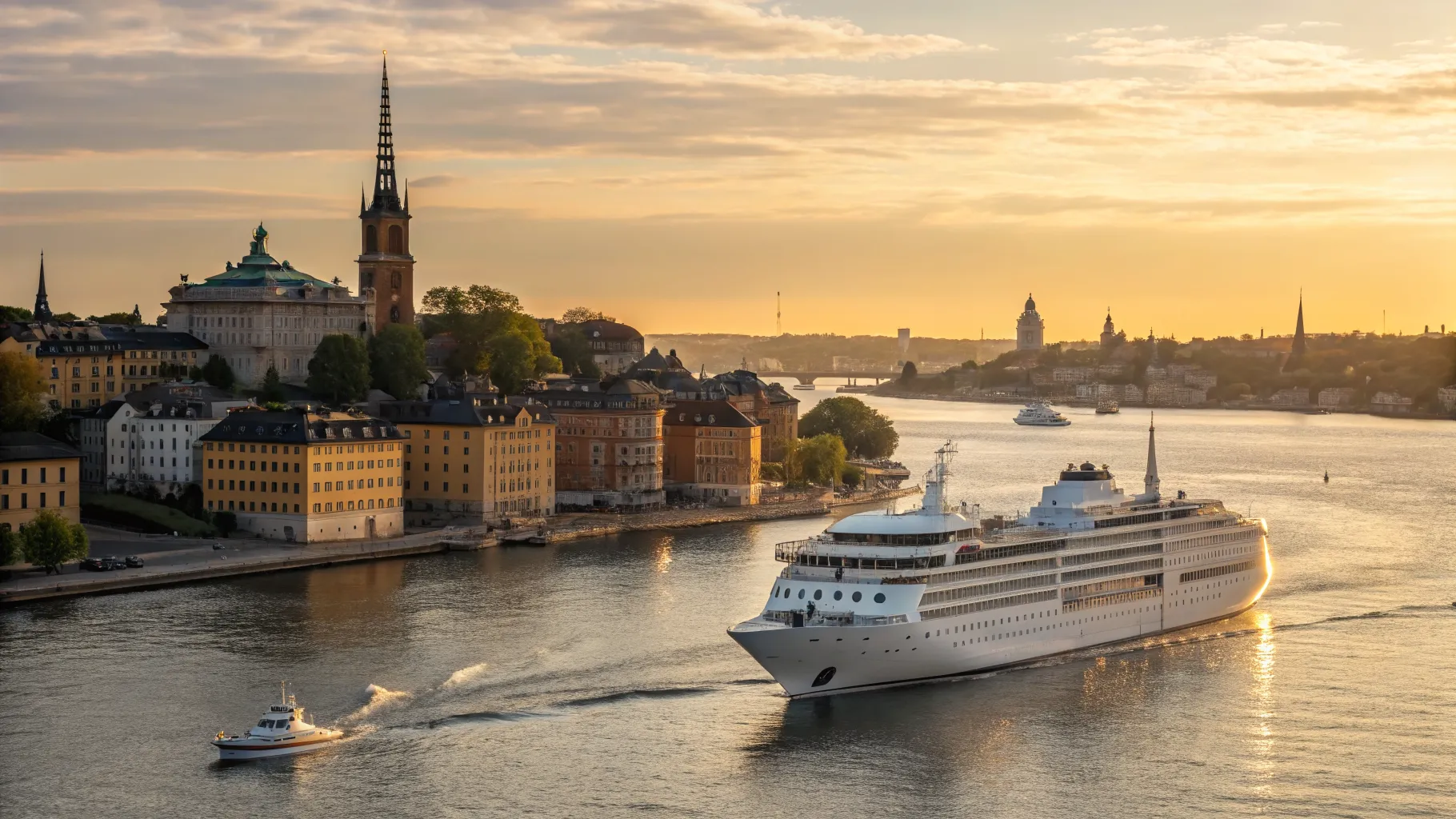
Often the final destination, Stockholm provides a spectacular end to a Baltic cruise. The city is built on 14 islands connected by more than 50 bridges, earning it the nickname 'Venice of the North'. Sailing into Stockholm through its stunning archipelago, a collection of thousands of islands and islets, is a memorable experience in itself. The city seamlessly combines its rich history with a progressive, modern culture.
Stockholm's most famous district is Gamla Stan, the incredibly well-preserved old town. Here are some of the key attractions you might explore:
- Vasa Museum: This maritime museum displays an almost fully intact 17th-century ship that sank on its maiden voyage in 1628. It is one of the most visited museums in Scandinavia.
- The Royal Palace: One of the largest palaces in Europe, it is the official residence of the Swedish monarch and features several museums.
- Gamla Stan: Explore the narrow, winding cobblestone streets, colorful buildings, and charming squares of the old town, home to countless shops, cafes, and restaurants.
Life Onboard the Cruise Ship
While the destinations are the main draw, the experience onboard the ship is a significant part of the vacation. Modern cruise ships are equipped with a wide range of amenities designed to cater to various tastes. Dining options typically range from casual buffet-style eateries to specialty restaurants offering fine dining experiences. Many ships also include cafes, bars, and lounges where you can relax and enjoy the sea views.
Entertainment is another key aspect of cruise life. You can often find Broadway-style shows in the main theater, live music in various venues, casinos, and movie screenings. For relaxation and recreation, most ships feature swimming pools, hot tubs, fitness centers, and full-service spas. The atmosphere is generally relaxed, allowing you to unwind after a busy day of sightseeing and prepare for the next port of call.
Preparing for Your 2026 Baltic Adventure
Booking a cruise well in advance is often recommended, especially for popular summer sailings. This can give you a better choice of cabins and potentially access to early booking promotions. When comparing cruise lines, consider what is included in the fare. Typically, your accommodation, meals in main dining rooms and buffets, and most onboard entertainment are covered. Things like specialty dining, alcoholic beverages, spa treatments, and shore excursions usually cost extra.
Shore excursions can be booked through the cruise line for convenience or arranged independently. Cruise line excursions guarantee you will be back to the ship before it departs, which provides peace of mind. However, independent tours or self-exploration can offer more flexibility and sometimes a more personalized experience. For Baltic capitals, most city centers are accessible from the port, making independent exploration a viable option for those comfortable with navigating on their own.