A Guide to Costa Rica All-Inclusive Resorts for 2026
Costa Rica, known for its 'Pura Vida' lifestyle and commitment to conservation, offers a unique take on the all-inclusive resort experience. Unlike the sprawling mega-resorts of other destinations, many Costa Rican properties blend luxury with nature, providing a gateway to the country's incredible biodiversity. As you plan for 2026, understanding this distinct approach is key to finding the perfect retreat that combines relaxation with adventure.
Understanding the Costa Rican All-Inclusive Model
The all-inclusive concept in Costa Rica is often tailored to its environment. While you'll find traditional resorts with expansive pools and multiple restaurants, there's also a strong emphasis on sustainability and authentic experiences. Many resorts are designed to minimize their environmental footprint, incorporating local materials, preserving wildlife corridors, and offering farm-to-table dining sourced from local producers. This means your stay contributes to the local economy and conservation efforts.
Instead of focusing solely on poolside entertainment, the Costa Rican model encourages guests to connect with their surroundings. Resort activities might include guided nature hikes through a private reserve, bird-watching tours, or educational talks on local ecology. The all-inclusive package becomes less about endless consumption and more about providing a comfortable, convenient base from which to explore the country's natural wonders.
Prime Locations for All-Inclusive Stays
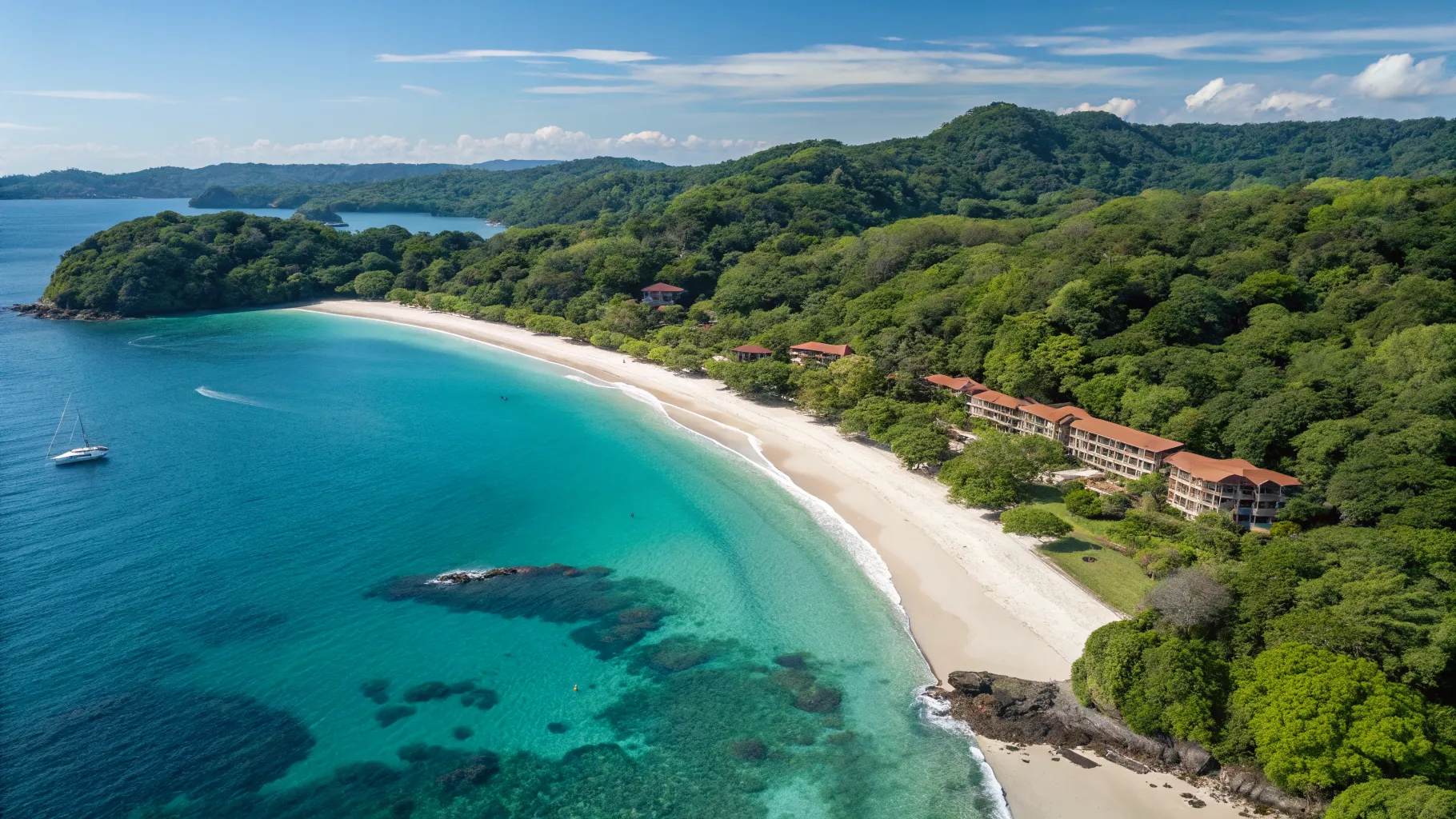
The majority of Costa Rica's all-inclusive resorts are concentrated in the province of Guanacaste, along the northern Pacific coast. This region is known for its drier climate, stunning beaches, and proximity to an international airport in Liberia (LIR). The Papagayo Peninsula is home to some of the country's most luxurious and exclusive properties, offering pristine coastlines and world-class amenities. Other popular areas in Guanacaste include the Tamarindo and Flamingo beach areas, which offer a mix of resort styles and lively local towns.
The Central Pacific coast is another key area, offering a different vibe. This region is characterized by its lush rainforests that extend right to the edge of the beach. Resorts here, near towns like Jaco and Manuel Antonio, provide excellent access to famous national parks and a wide range of adventure activities. While fewer in number than in Guanacaste, the all-inclusive options here are perfect for travelers who want to be immersed in the jungle while still enjoying coastal comforts.
Types of All-Inclusive Experiences
Costa Rica caters to various travel styles, and its all-inclusive resorts reflect this diversity. You can find sprawling, family-friendly properties with kids' clubs, multiple pools, and a wide array of dining options to keep everyone happy. These resorts often have dedicated activity programs for all ages, making them a hassle-free choice for a family vacation.
For those seeking a quieter escape, adults-only and wellness-focused resorts provide a serene atmosphere. These properties often feature sophisticated dining, tranquil spa facilities, and activities like yoga and meditation. Additionally, the rise of eco-lodges offering all-inclusive packages is a notable trend. These smaller, more intimate properties focus on sustainability and nature immersion, offering a rustic yet comfortable experience deep within the rainforest or mountains.
What's Typically Included in Your Package?
A standard all-inclusive package in Costa Rica covers the essentials for a worry-free vacation. This almost always includes your accommodation, three meals per day at buffet or a la carte restaurants, snacks throughout the day, and a selection of domestic alcoholic and non-alcoholic beverages. Many resorts also include access to non-motorized water sports like kayaking and stand-up paddleboarding, as well as use of fitness centers, pools, and nightly entertainment.
However, it is crucial to understand what is often excluded to budget accordingly. The following items frequently come at an additional cost:
- Premium or imported alcoholic beverages
- Spa treatments and salon services
- Off-site excursions and tours (e.g., zip-lining, volcano hikes, fishing charters)
- Motorized water sports
- Specialty dining experiences or private dinners
- Airport transfers and gratuities for tour guides
Planning and Booking for Your 2026 Trip
To secure the best options and rates for a 2026 trip, it's wise to book well in advance, especially if you plan to travel during the high season. Costa Rica's high season runs from December to April, corresponding with the dry season and peak tourist demand from North America and Europe. For travel during these months, booking 9 to 12 months ahead is recommended.
Alternatively, consider traveling during the 'green season,' which lasts from May to November. While you can expect daily rain showers, they are often brief, and the landscape is incredibly lush and vibrant. This period sees fewer crowds and often lower prices for resorts and flights. When booking, always read recent reviews to get an up-to-date sense of the property's service, food quality, and overall condition.
Venturing Beyond the Resort Gates
While the convenience of an all-inclusive resort is a major draw, one of the greatest appeals of Costa Rica is its abundance of natural beauty and adventure. It is highly recommended to plan at least a few days or excursions to explore beyond the resort. Most properties have a tour desk that can help arrange these activities, making it easy to plan your adventures.
Popular excursions include visiting a nearby national park like Rincón de la Vieja or Manuel Antonio National Park to see wildlife like monkeys, sloths, and toucans. Adventure seekers can go zip-lining through the forest canopy, white-water rafting, or take surfing lessons. Exploring local towns provides a glimpse into Costa Rican culture and an opportunity to support local artisans and restaurants.