Garden maintenance: prices and fees explained: An Australian cost analysis
Garden maintenance prices and fees explained means looking beyond a single hourly figure. In Australia, routine maintenance commonly costs about $50 to $85 per hour per worker, while a standard suburban property on a fortnightly plan may cost approximately $100 to $200 per month, depending on the work included. 1
The final charge can also include green-waste disposal, materials, travel, minimum booking periods or specialist equipment. A useful comparison therefore starts with the scope of work, not just the advertised labour rate. 2
Typical hourly and visit-based charges
Australian gardeners generally use either an hourly rate or a fixed quote for a defined job. Published guidance places routine gardening labour broadly around $50 to $100 per hour, with location, experience, garden size and task complexity affecting the figure. Basic mowing, edging and clean-up normally require less specialised labour than pruning, hedge trimming, weed treatment or tree work. 3
Small residential jobs may be subject to a minimum service charge rather than being calculated strictly from the minutes spent on site. A recurring visit can cover mowing, edging, blowing, light pruning, weeding and general tidying, but the exact combination should be written into the scope because “maintenance” can describe different levels of service. 4
| Pricing basis | Usually suited to | Details to confirm |
|---|---|---|
| Hourly labour | Small or changing jobs | Minimum time, travel and disposal |
| Fixed job quote | Tidies and defined clearances | Garden condition, waste volume and exclusions |
| Recurring plan | Ongoing upkeep | Visit frequency, seasonal changes and extras |
Recurring maintenance compared with one-off work
Recurring garden maintenance is more predictable because the property is visited at an agreed frequency and growth is managed before it becomes extensive. Fortnightly service is commonly priced more efficiently per visit than an isolated call-out, although providers may still apply minimum booking times. Monthly plans can require longer visits because more growth accumulates between appointments. 5
One-off work is assessed more like a project. An overgrown garden, neglected borders or a property requiring substantial debris removal can need several workers, heavier tools and additional disposal arrangements. For that reason, a simple hourly comparison can be misleading when one quote includes a complete tidy and another covers mowing only. 6
- Regular visits: mowing, edging, weeding and light pruning may be combined.
- Seasonal work: hedge cutting, leaf removal or larger pruning may be priced separately.
- One-off clearance: overgrowth, difficult access and waste volume can substantially change the estimate.
What common garden tasks may cost
Routine mowing is generally a lower-cost service than broader garden maintenance because it involves a narrower task list. Additional edging, blowing, weeding, pruning, planting or green-waste handling increases labour or introduces separate material and disposal charges. Hedge trimming is affected by height, length, shape, access and the amount of cut material produced. 7
Tree pruning, tree removal, stump grinding, pesticide application and work requiring specialised equipment are usually treated as separate services. These tasks can involve additional insurance, licensing or safety considerations, so a general maintenance rate should not automatically be applied to specialist work. 8
| Task | Why the price varies |
|---|---|
| Mowing and edging | Lawn size, frequency and access |
| Weeding | Area, density and disposal requirements |
| Hedge trimming | Length, height, access and arisings |
| Pruning | Plant size, skill and equipment |
| Mulching or planting | Labour, materials, delivery and preparation |
Fees added to the labour rate
Labour is not always the complete price. Green-waste removal, tip or disposal fees, fertiliser, mulch, plants, soil and equipment hire may be added separately. Some gardeners can use a customer’s garden bin, while other arrangements require removal from the property, so the quote should state who handles the waste and whether disposal is included. 9
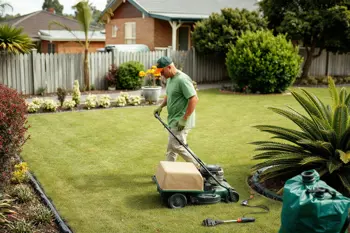
Travel and access can also affect the total. Narrow side access, stairs, slopes, long paths or rear gardens without vehicle access may increase handling time. A small job can therefore have a higher effective cost than its visible task list suggests, particularly where setup, loading and transport take a significant share of the appointment. 2
- Green waste: confirm whether removal, loading and disposal are included.
- Materials: check whether mulch, fertiliser, plants or soil are supplied at cost.
- Travel: ask whether a travel charge or distance-based fee applies.
- Equipment: identify any separate charge for machinery or specialised tools.
- Tax: establish whether the quoted amount includes GST.
Regional, seasonal and site-specific variation
Location is a major influence on Australian gardening charges. Published guides describe differences between states and metropolitan areas, while experience, business overheads and the type of provider also affect the rate. A quote from a solo gardener, a larger maintenance company and a specialist arborist may reflect different labour structures even when the requested task sounds similar. 3
Seasonal demand and garden condition can change the work required at each visit. Faster growth may increase mowing and pruning frequency, while accumulated leaves or neglected beds can turn routine maintenance into a clean-up project. Visit frequency, garden size and property condition are therefore central to interpreting a monthly or seasonal figure. 5
| Site factor | Potential pricing effect |
|---|---|
| Garden size | More labour, travel within the property and waste |
| Condition | Overgrowth may require project-based work |
| Location | Local labour and operating costs differ |
| Frequency | Shorter intervals may keep visits predictable |
| Access | Manual handling and setup may take longer |
Risks and checks before comparing quotes
Price comparison has practical limits when quotes describe different scopes. A clear written estimate should identify tasks, visit duration or frequency, waste handling, materials, GST, travel, equipment and follow-up visits. Equivalent comparisons are especially important because one provider may include edging and removal while another prices only mowing. 10
Specialist and regulated work requires additional care. Tree lopping, removal, stump grinding and pesticide application may require separate qualifications, licensing or insurance depending on the work and location. Ongoing maintenance also has limits: a recurring plan manages growth but does not necessarily include redesign, major clearance, structural tree work or extensive repairs. 8
- Request a written scope rather than relying on a verbal total.
- Separate routine maintenance from specialist or project work.
- Confirm insurance and any qualifications relevant to regulated tasks.
- Check cancellation, weather-delay and payment conditions.
- Compare the included work, not only the hourly number.
How to read a garden maintenance estimate
A useful estimate should connect the price to measurable details such as lawn area, hedge length, expected visit duration, number of workers and disposal volume. Fixed pricing can provide clarity for a defined task, while hourly pricing may be more appropriate where the condition or scope cannot be assessed precisely. Neither model is meaningful without stated inclusions and exclusions. 4
The most important distinction is between labour and the complete service cost. A recurring maintenance figure may cover only scheduled upkeep, whereas a one-off quote may include clearing, loading and waste removal. Reading those components separately makes it easier to identify future fees and assess whether the proposed frequency reflects the garden’s actual growth and maintenance needs. 9
Sources
- GUS Blog, “Garden Maintenance Costs in Australia (2026)”
- hipages, “How Much Does a Gardener Cost?”
- Oneflare, “Gardener Cost Guide”
- ServiceSeeking, “Gardening Cost”
- Bark, “Gardeners in Australia”
- Airtasker, “Gardener Costs in Australia”
- Lawn.com.au, “How Much Does Gardening Cost?”
- Canstar Blue, “Gardening Services”
- Fantastic Services Australia, “Gardening Services”
- Yellow Pages Australia, “Garden Maintenance”