5-night rail getaway to Wollongong with meals and accommodation: a transit-based travel guide: An independent planning and cost report
Key facts
- The Sydney to Wollongong train journey generally takes about 90 minutes on the South Coast Line. 1
- A 2026 local accommodation benchmark puts Wollongong’s average room rate at AUD 265 before GST. 2
- Published travel-cost estimates place a seven-day Wollongong trip at about USD 1,099 per person. 3
- Opal cards are used on local services, while NSW TrainLink regional services require separate tickets. 4
A five-night rail getaway to Wollongong can be arranged independently around the South Coast Line, local buses, walkable foreshore areas, accommodation and daily meals. The city lies south of Sydney between the Pacific Ocean and the Illawarra Escarpment, giving a public-transport itinerary a combination of beaches, harbour scenery, cultural sites and short regional journeys.
Getting to Wollongong by train
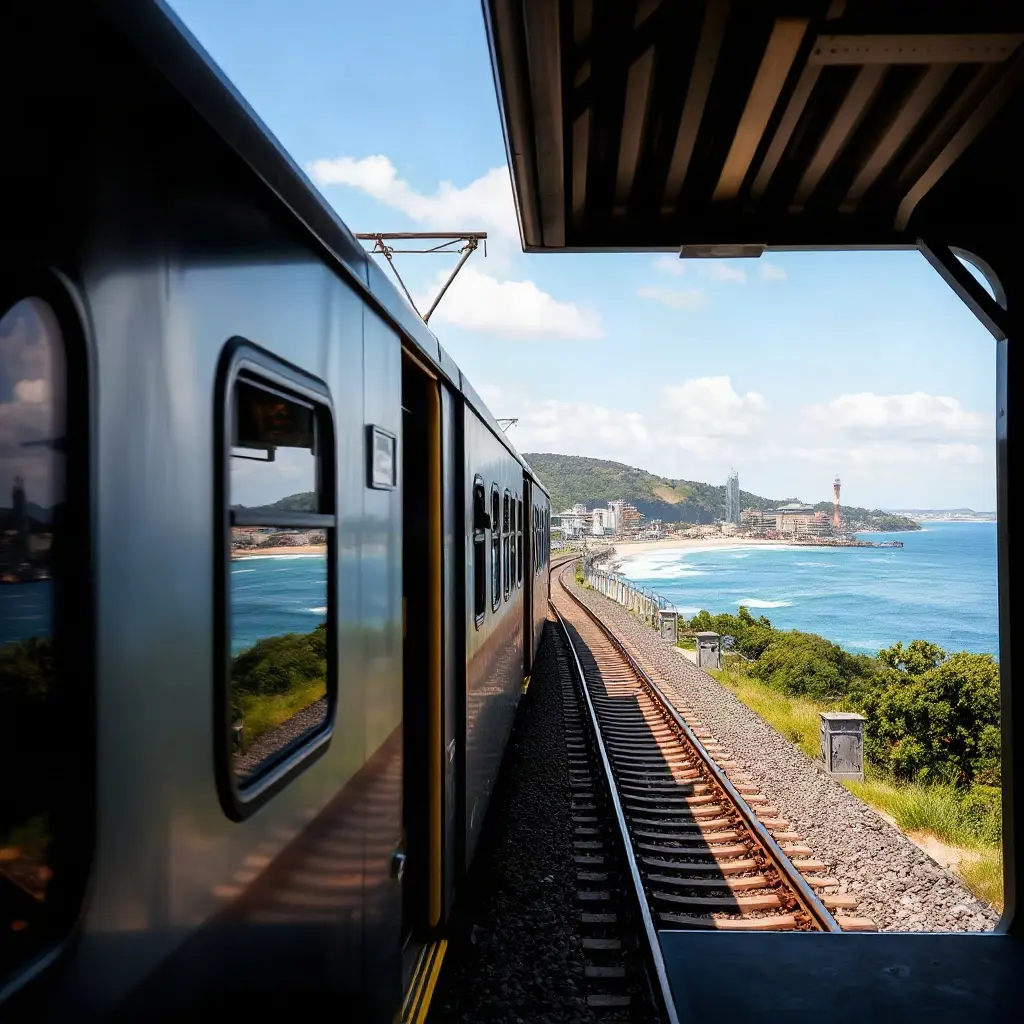
The main rail approach is the South Coast Line from Sydney. A published route guide puts the journey at approximately 1 hour 30 minutes, with services generally running every 30 to 60 minutes during the day. The route passes through the Royal National Park area and along the coast near Coalcliff, making the train journey part of the sightseeing experience rather than merely a transfer. 1
Visitors arriving by air normally connect from Sydney Airport toward Sydney’s central railway stations before continuing south. Wollongong station is near the central business district and harbour, so a straightforward arrival may not require another vehicle journey. Timetables should still be checked for engineering works, evening frequency and weekend changes, particularly when carrying luggage or planning a same-day regional connection.
A five-night structure for the city
A practical five-night plan can use the first day for the rail journey, central Wollongong and the harbour. The second day suits the main beaches and foreshore walks, while a third day can focus on the escarpment or northern coastal suburbs. The fourth day can be reserved for Nan Tien Temple or another cultural visit, and the fifth can allow a slower beach, café and harbour schedule before departure.
Wollongong’s attractions are spread across a coastal strip, so the most efficient plan groups nearby places rather than crossing the region repeatedly. The city is known for surf beaches, twin harbour lighthouses, escarpment scenery and Nan Tien Temple. Local buses connect the central area with beaches and coastal suburbs, while the station provides a useful base for walking around the centre. 5
Local transport, tickets and payment
Local trains and buses in the Wollongong area are part of the broader New South Wales public-transport system. Opal cards can be used on participating local services, and adult fares can also be paid by tapping an accepted payment card or mobile device. Travellers must tap on and tap off where the system requires it. Single-trip tickets are available at selected stations and stops, but not generally on buses. 4
NSW TrainLink regional services operate under different arrangements, and Opal cards are not accepted on those services. Separate tickets should be arranged for journeys that fall into the regional network, while the Sydney to Wollongong commuter-style trip is normally handled through the local fare system. The transport authority recommends checking its trip planner for route changes, fare estimates, accessibility information and service alerts. 4
Accommodation and meals across five nights
Accommodation choices include central hotels, serviced apartments, motels, guesthouses and cabin-style stays outside the core city area. Central or harbour-side locations reduce local transport time, while northern suburbs can place travellers closer to beaches and coastal walks. A 2026 report described Wollongong’s hotel market as tight, with an average room rate of AUD 265 plus GST and occupancy reported at 72 percent. 2
Meals are not automatically included simply because a trip is described as a getaway with accommodation. They are separate expenses unless a particular lodging arrangement states otherwise. The city offers hotel cafés, harbour restaurants, casual beach-area dining, supermarkets and takeaway options. A published 2026 cost assessment describes Wollongong restaurants as generally moderate in price, but the final food total depends on restaurant choice, breakfast arrangements, drinks and the number of meals prepared independently. 6
| Expense area | Published benchmark | How to interpret it |
|---|---|---|
| Accommodation | AUD 265 average room rate before GST in 2026 | Market benchmark, not a guaranteed five-night total |
| Three-day trip | About USD 471 per person | Includes accommodation, food, activities and local transport |
| Seven-day trip | About USD 1,099 per person | Average estimate that varies by travel style |
Cost planning for a 2026 visit
Published visitor-spending estimates place a three-day Wollongong trip at about USD 471 per person and a seven-day trip at about USD 1,099 per person. Those estimates include accommodation, food, activities and local transportation, so they are useful as broad planning benchmarks rather than fixed quotations. The same source reports an average daily travel cost of USD 157, with individual spending varying according to lodging and dining choices. 3
Rail costs form only one part of the total. An accommodation guide reports an adult peak single-trip fare of AUD 10.66 for the Sydney to Wollongong route over 65 kilometres, dated 14 July 2025. 7 The amount applicable in 2026 can depend on fare revisions, travel time and payment method. A five-night calculation should therefore separate the return rail fare, local transport, room costs, meals and paid activities instead of treating the phrase “with meals and accommodation” as a bundled price.
Best seasons and practical cautions
Summer is suited to beach time and longer daylight, but coastal accommodation and popular attractions may be busier. Autumn and spring can offer a balanced combination of milder conditions and outdoor sightseeing, while winter is useful for travellers who prefer cooler walks and a quieter urban rhythm. Weather on the escarpment can change quickly, and wet conditions may affect coastal walks, lookouts and connecting bus journeys.
International visitors need a valid passport and the appropriate Australian visa or travel authority for their nationality. Entry conditions should be checked through current Australian government guidance before travel. Attraction opening hours, walking-track conditions and temporary closures can change, so each venue’s official information should be checked separately. Timetable changes are another practical risk: a 2026 government announcement described additional Northern Illawarra bus services and revised routes, including routes 90, 91 and 92. 8
What a transit-based stay can realistically include
A five-night itinerary can cover the central beaches, Wollongong Harbour, lighthouses, the foreshore, selected northern suburbs and a cultural visit without hiring a car. The strongest rail-focused element is the Sydney approach, where the South Coast route combines practical access with coastal views. Walking remains important because some beaches, cafés and harbour facilities are easier to reach from central accommodation than from distant suburbs.
The main limitations are distance, timetable dependence and accommodation cost pressure. Wollongong is not a compact resort where every attraction sits beside the station, and escarpment or northern-coast visits may require bus connections and additional planning. A neutral budget should therefore allow for separate meals, local fares and possible service changes. With those limits understood, the city supports a manageable five-night public-transport visit centred on rail, buses, walking and carefully grouped day plans.
Sources
- Sydney to Wollongong by Train: The South Coast Line | Viamo: https://www.viamo.net/routes/sydney-to-wollongong/
- Wollongong's hotel shortage persists as car club looks elsewhere | Illawarra Mercury | Wollongong, NSW: https://www.illawarramercury.com.au/story/9146243/wollongongs-hotel-shortage-persists-as-car-club-looks-elsewhere/
- Is Wollongong Expensive to Visit? | Budget Your Trip: https://www.budgetyourtrip.com/australia/wollongong/expensive-2171507
- Public transport essentials | transportnsw.info: https://transportnsw.info/public-transport-essentials
- Wollongong Travel Guide 2026 — Beaches | Cooee Tours: https://www.cooeetours.com.au/blogs/travel-guide/cities/wollongong-guide.html
- Is Wollongong Expensive? Costs & Saving Tips 2026: https://theworldtravelindex.com/en/oceania/australia/wollongong/is-wollongong-expensive
- Wollongong Accommodation: Guide to Areas, Prices & Hotels - Ozhotel: https://ozhotel.org/destinations/wollongong-accommodation-areas-prices-hotels/
- Over 80 extra weekly bus services for the Northern Illawarra: https://www.nsw.gov.au/ministerial-releases/more-bus-services-for-northern-illawarra