Restless legs syndrome symptoms: when to see your doctor: A Clinical Overview of Diagnostic Indicators
Restless Legs Syndrome (RLS), clinically recognized as Willis-Ekbom disease, is a prevalent neurological condition characterized by an overwhelming and often irresistible urge to move the limbs 1. While many individuals manage mild symptoms through lifestyle adjustments, understanding the specific thresholds for seeking professional medical intervention is critical for maintaining long-term quality of life and managing potential underlying systemic health issues 6.
Understanding Core RLS Symptomatology
The primary clinical marker of RLS is an involuntary, powerful urge to move the legs, which is almost always accompanied by varied, uncomfortable physical sensations 4. These sensations are frequently described by patients as tingling, burning, itching, or throbbing, often resembling a creeping or crawling feeling deep within the tissue 1. In many instances, individuals also report sensations like fizzy water moving through blood vessels or intense, cramping pain in the calf muscles 1.
These symptoms typically manifest during periods of inactivity, such as sitting for long durations on transit or reclining in the evening 2. A defining feature of these sensations is that they are at least temporarily alleviated by movement, stretching, or walking, yet they remain noticeably worse during the evening and throughout the night, frequently leading to significant sleep onset latency or frequent nocturnal awakenings 1. Data suggests as many as 1 in 10 adults may be affected by these symptoms at some stage in their lives 1.
When Professional Medical Evaluation Is Required
While occasional leg discomfort may be manageable, clinical guidance suggests scheduling a consultation with a healthcare provider if symptoms become frequent, severe, or consistently disrupt sleep and daily functionality 6. Professional assessment is particularly necessary if self-care measures, such as adjusting sleep hygiene or reducing caffeine intake, fail to provide adequate relief 6. When symptoms interfere with the ability to participate in social activities or professional duties, they are considered to have a significant impact on quality of life 6.
Individuals should also consult a doctor if RLS symptoms emerge suddenly or accelerate in intensity, spread beyond the legs to include the arms or face, or coincide with other systemic health changes 9. Furthermore, professional guidance is essential for those who are pregnant or those who develop symptoms following the initiation of new prescription medications, as specific pharmacological interventions may exacerbate existing neurological triggers 7, 9.
The Distinction Between Primary and Secondary RLS
Clinical practice distinguishes between primary (idiopathic) RLS and secondary RLS. Primary RLS often has a hereditary component, with over one-third of diagnosed patients reporting a positive family history of the condition 5. Conversely, secondary RLS is typically associated with underlying medical conditions or physiological states that require targeted clinical investigation 5. Identifying these secondary causes is a major reason to pursue a diagnostic workup.
| Condition or Factor | Associated RLS Relationship |
|---|---|
| Iron Deficiency | Significant link to dopaminergic neurotransmission issues |
| Pregnancy | Common secondary trigger during physiological shifts |
| Chronic Renal Failure | Uremia is a known contributor to limb movement disorders |
| Neurological Disorders | Associated with Parkinson disease and multiple sclerosis |
| Diabetes Mellitus | Metabolic influences on peripheral nerve function |
Periodic Limb Movements in Sleep (PLMS)
It is estimated that up to 80% of individuals diagnosed with RLS also experience periodic limb movements in sleep (PLMS) 1, 4. PLMS involves brief, repetitive, and involuntary twitching or jerking of the limbs that typically occur every 10 to 60 seconds throughout the night 1. These movements can be severe enough to wake the patient and their sleep partner, contributing to chronic sleep fragmentation and subsequent daytime fatigue, which can, over time, lead to cognitive impairment or mood-related disturbances like anxiety and depression 7.
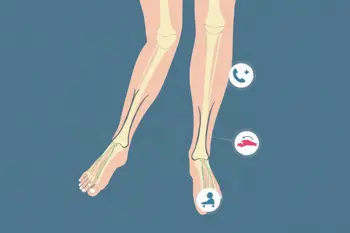
While PLMS and RLS often occur together, they are distinct entities. A patient may be entirely unaware of their limb movements during sleep, whereas the sensations associated with RLS are consciously experienced and cause distress 4. Because there is no single, definitive laboratory test for RLS, physicians rely heavily on a detailed clinical history, physical assessment, and potentially a sleep study to differentiate between these overlapping conditions and formulate an appropriate management plan 3, 7.
Diagnostic Considerations and Clinical History
Because there is no biomarker or standardized scan used to confirm RLS, the diagnostic process is primarily clinical 3. Doctors typically look for the presence of four key criteria: a strong urge to move the legs, symptoms that appear during rest, relief through movement, and worsening of symptoms during the evening or night 7. During an examination, a physician will likely assess iron levels, specifically checking ferritin and transferrin saturation, as normal hemoglobin levels alone do not rule out the low iron stores often implicated in the condition 7.
Maintaining a sleep diary can provide valuable data for a physician, helping them track the timing, frequency, and severity of episodes over several weeks 10. This record allows the clinical team to distinguish RLS from other sleep disorders such as narcolepsy or REM sleep behavior disorder. Because the condition can mimic or exacerbate other medical issues, clear communication regarding family history, current medications, and chronic health status remains the most effective tool in the diagnostic phase 5, 9.
Management Realities and Long-Term Oversight
While there is no permanent cure for RLS, effective management strategies are available that significantly improve patient outcomes 4, 7. These strategies frequently involve a combination of lifestyle modifications, the identification and management of clinical triggers, and, when necessary, pharmacological intervention 7. It is important for patients to understand that some medications require careful, long-term monitoring by a specialist to balance symptom relief against potential side effects 8.
Ongoing medical oversight is necessary, particularly for those with severe symptoms who require regular medication. As guidelines for treatment continue to evolve, staying in contact with a healthcare provider ensures that the patient has access to the most current therapeutic approaches 3. By addressing underlying factors like iron deficiency and monitoring for complications, individuals can achieve better symptom control and reduced sleep disruption 6, 7.
Sources
- NHS Inform: Restless legs syndrome
- Cedars-Sinai: Everything You Need to Know About Restless Leg Syndrome
- AARP: Restless Legs Syndrome: Why Your Legs Won’t Stay Still
- Oak Street Health: Restless Legs Syndrome: Symptoms, Causes, and Treatment
- Merck Manual Professional Edition: Periodic Limb Movement Disorder (PLMD) and Restless Legs Syndrome (RLS)
- Ubie Health: When should I see a doctor for restless leg syndrome symptoms?
- Sleep Health Foundation: Restless Legs Syndrome (RLS)
- Acibadem Hospitals Group: Restless Legs Syndrome: Symptoms, Iron Tests, Treatment
- Ubie Health: When Restless Leg Syndrome Is a Red Flag
- Medical News Today: How to talk to your doctor about RLS