Rural properties for sale in Nova Scotia: Exploring coastal country living: A 2026 market and buying guide
Key facts
- Nova Scotia’s July 2026 provincial median sale price was C$440,000, while Halifax-Dartmouth reached C$550,000. 1
- July 2026 medians ranged from C$599,900 in Timberlea, Prospect and St. Margaret’s Bay to C$707,500 on the Halifax Peninsula. 1
- August 2026 market reporting placed Nova Scotia’s composite benchmark price at C$435,000 with 5.7 months of inventory. 2
- Rural ownership requires careful review of roads, rights-of-way, wells, septic systems, zoning, boundaries and shoreline exposure.
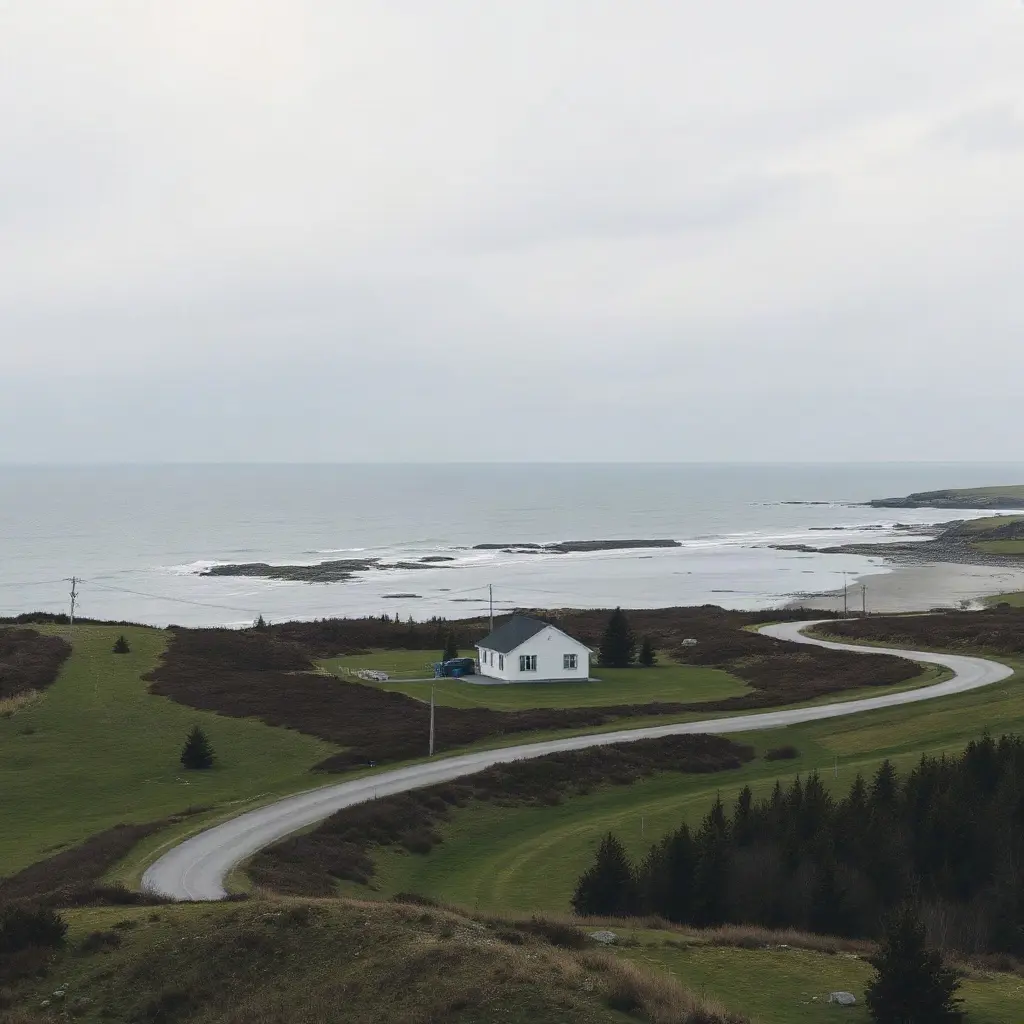
Rural properties for sale in Nova Scotia cover a wide range of housing and land, from detached homes and seasonal cottages to farms, wooded acreage and undeveloped parcels. Coastal country living can offer space and scenery, but the price of a property is only one part of the decision. Access, services, water, wastewater, weather exposure and permitted land use can materially change both the purchase process and long-term ownership costs.
What rural property can include
Nova Scotia’s rural market is not a single property category. A detached house on a large lot may resemble a conventional home purchase, while a seasonal cottage can have different heating, insulation and year-round occupancy characteristics. Acreage may be forested, agricultural or partly developed, and vacant land may require confirmation that a dwelling, driveway or accessory building is permitted. Coastal parcels also differ according to frontage, shoreline access, terrain, road connection and exposure to storms or erosion.
- Detached rural homes, often with private wells, septic systems and outbuildings.
- Seasonal cottages and waterfront residences with varying winterization standards.
- Hobby farms, agricultural land and mixed rural-residential parcels.
- Wooded acreage and vacant lots where access, building feasibility and zoning require separate investigation.
Prices and regional comparisons
Published 2026 market reports show a substantial difference between the Halifax region and the wider province. The July provincial median sale price was C$440,000, compared with C$550,000 for Halifax-Dartmouth. Within the Halifax area, the July median was C$707,500 on the Peninsula, C$700,000 in Bedford and C$599,900 across Timberlea, Prospect and St. Margaret’s Bay. These are market medians for defined areas, not guaranteed prices for a particular rural or coastal property. 1
| Area or measure | Reported 2026 figure |
|---|---|
| Nova Scotia provincial median, July | C$440,000 |
| Halifax-Dartmouth median, July | C$550,000 |
| Timberlea, Prospect and St. Margaret’s Bay median, July | C$599,900 |
| Bedford median, July | C$700,000 |
| Halifax Peninsula median, July | C$707,500 |
A separate August report used the MLS HPI composite benchmark rather than a monthly median and recorded C$435,000 for Nova Scotia, with 5.7 months of inventory. The difference between C$435,000 and C$440,000 reflects different measures and reporting periods, not necessarily a sudden change in value. 2 Rural counties can behave differently from Halifax. Market commentary identifies Hants, Colchester, Kings, Pictou and Antigonish as tighter mainland areas, while Guysborough and Digby were described as places where buyers could take more time. 3
How coastal and rural areas differ
Coastal country living ranges from communities within commuting distance of Halifax to remote shorelines in the eastern, western and southern parts of the province. Areas nearer established towns generally provide easier access to shops, tradespeople, schools, healthcare and emergency services, although they may carry higher prices. More remote locations can provide larger parcels and quieter surroundings, but commuting, winter road conditions, contractor availability and delivery times become more important practical factors.
- South Shore and Eastern Shore locations may combine shoreline access with variable road, internet and service conditions.
- Annapolis Valley and Hants areas can appeal to buyers seeking agricultural land, rural homes and connections to established communities.
- Guysborough, Digby and other peripheral areas may have slower market conditions but greater distance from major services. 3
- Properties near Halifax can have stronger demand and higher benchmarks than more distant rural areas. 4
Taxes and costs beyond the purchase price
A rural purchase budget should include more than the agreed property value. Potential costs include Nova Scotia property transfer tax, legal services, title and land-registration administration, inspections, survey work and adjustments for items such as property taxes or utilities. The amount varies with the municipality, transaction structure, property characteristics and professional services required, so a written estimate should be obtained before an offer becomes binding. Rural properties may also require expenditure on driveway maintenance, private roads, wells, septic systems, heating equipment and outbuildings.
- Property transfer tax and registration-related charges may apply at closing.
- Legal review can examine title, easements, covenants, rights-of-way and ownership boundaries.
- Inspections may cover the dwelling, heating system, water supply, septic arrangements and structural condition.
- Ongoing costs can include private road contributions, septic maintenance, well equipment, snow clearing and longer travel to services.
Market conditions also affect negotiation and timing. Nova Scotia’s August 2026 benchmark report recorded 5.7 months of inventory, which it classified as balanced under the report’s stated convention. 2 A June report recorded 5.2 months of supply and described the province as moving away from the tighter conditions of earlier periods. 5 Such measures describe market balance, not the total cost of owning a rural property or the availability of any particular home.
The purchase process and due diligence
The usual process involves identifying suitable property types, reviewing market information, arranging viewings, making an offer subject to appropriate conditions, completing due diligence and proceeding to closing and registration. Rural transactions require more technical checks than a standard serviced urban home. A buyer should establish whether the road is public or private, who maintains it, whether a registered right-of-way exists and whether the driveway provides legal and practical access throughout the year.
- Review the parcel’s legal description, title, easements, covenants and registered access rights.
- Confirm municipal zoning, permitted residential and agricultural uses, setbacks and rules for accessory buildings.
- Arrange professional inspections and assess the condition of structures, roofs, heating and outbuildings.
- Test or document the private water supply and inspect septic records, field conditions and maintenance history.
- Confirm boundaries through land records and, where necessary, a professional survey rather than relying on fences or online maps.
- Complete legal closing, payment of applicable taxes and registration through the provincial land-records system.
Coastal risks and country-living realities
Shoreline proximity can affect both enjoyment and risk. Flooding, storm surge, erosion, high winds and changing shoreline conditions may affect buildings, driveways, wells, septic fields and future construction. A parcel that is not directly on an open ocean beach can still be exposed through a bay, inlet, river or low-lying access route. Setbacks, conservation requirements and other shoreline rules may restrict alterations, new buildings or protective works, making site-specific municipal and provincial review essential.
- Check flood and erosion exposure, drainage, elevation and the condition of shoreline and access routes.
- Verify whether insurance coverage for relevant hazards is available and what exclusions or conditions apply.
- Assess mobile coverage, internet reliability, power continuity and emergency response times.
- Plan for snow, private-road maintenance, septic servicing, well repairs and longer journeys for shopping or healthcare.
The central trade-off is therefore not simply urban price versus rural price. A lower regional benchmark may be offset by renovation, infrastructure, transportation and maintenance responsibilities. Halifax-area data show why proximity can command a premium, while county-level reporting demonstrates that Nova Scotia contains several distinct markets rather than one uniform rural price. 1 3 A careful comparison should weigh land use, services, environmental exposure and total ownership obligations alongside the headline purchase figure.
Sources
- July 2026 Nova Scotia Real Estate Market Update by Dawn Magee: https://movenovascotia.com/july-2026-nova-scotia-real-estate-market-update/
- Nova Scotia Real Estate Prices 2026: Provincial Benchmark | Payotte: https://payotte.com/en/nova-scotia-real-estate-prices
- Nova Scotia Is Not One Market. It Is Thirteen.: https://www.sellingabovethecrowd.com/blog/nova-scotia-not-one-market-it-thirteen/
- Two Very Different Markets: What's Really Happening in Halifax vs. Rural Nova Scotia Right Now: https://www.sellingabovethecrowd.com/blog/two-very-different-markets-whats-really-happening-halifax-vs-rural-nova-scotia-right-now/
- June 2026 Nova Scotia Real Estate Report: https://movenovascotia.com/june-2026-nova-scotia-real-estate-report/