A 2-day Toronto city break with breakfast and transport included: An analytical review of logistical planning and urban navigation
Strategic Planning for a 48-Hour Toronto Excursion
Planning a short-term visit to Toronto requires a structured approach to logistics, particularly when aiming to integrate transport and accommodation into a cohesive 2-day timeline 1. The city, which is home to approximately 3 million residents, functions as a dense metropolitan hub that necessitates efficient movement between its primary districts 2. Travelers often find that staying in the downtown core minimizes the time spent in transit, allowing for a more concentrated experience of the city’s landmark attractions and historical heritage sites 3.
To successfully execute a 48-hour break, it is critical to confirm specific inclusions like breakfast at the time of booking, as hotel rate structures vary significantly based on the chosen plan and seasonal demand 1. Furthermore, international visitors must verify current Canadian entry requirements, including the potential necessity for an Electronic Travel Authorization (eTA) or a visitor visa, well in advance of departure 1, 9. Managing these administrative details before the journey ensures that the actual time on the ground can be dedicated to exploring the city's diverse landscape 3.
Navigating the Urban Landscape via Public Transit
Toronto’s infrastructure supports a car-free city break through the extensive Toronto Transit Commission (TTC) network, which integrates subways, streetcars, and buses 3. Utilizing the TTC is the primary method for navigating between central neighborhoods, with options ranging from single fares to day passes, which offer enhanced value for travelers intending to make more than three trips within a single 24-hour period 3, 2. For payment, systems such as the Presto card or direct contactless payment are standard at subway stations and streetcar readers 3, 10.
Arrival at Toronto Pearson International Airport (YYZ) provides immediate access to the UP Express, a dedicated rail service that connects the airport to Union Station in approximately 25 minutes 3, 5. Union Station serves as the primary transit hub of the city, acting as the connecting point for subway lines, GO Trains for suburban reach, and the PATH underground walkway, which allows for climate-controlled movement through the downtown core 3, 4. This integration is essential for maintaining a strict 2-day schedule without the complications associated with city driving 1.
Structuring the First 24 Hours: Downtown Landmarks
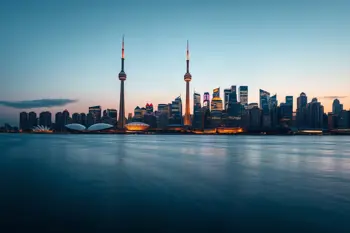
The first day of a 48-hour itinerary is typically reserved for the high-density landmark attractions concentrated in the downtown area. A suggested morning start includes the CN Tower, which offers panoramic views of the city and Lake Ontario 2, 5. Following this, proximity allows for transitions to the St. Lawrence Market, a historical culinary destination that serves as an optimal site for mid-day dining 2. These sites, alongside the Harbourfront area, provide a balanced introduction to the city's urban energy and natural waterfront appeal 2, 7.
Afternoon hours can be effectively spent exploring the Toronto Eaton Centre or walking through the adjacent historic sites, such as Fort York, which provides context regarding the city's 18th-century foundations 2. Because many of these attractions operate on specific schedules, checking opening hours before departure remains a best practice to avoid scheduling conflicts 1. Engaging in a structured pace during the first day establishes the momentum necessary to cover the diverse array of neighborhoods that define Toronto's cosmopolitan identity 2, 3.
Maximizing the Second Day: Cultural and Historical Depth
The second day of the break allows for a transition toward cultural and educational sites located slightly further from the immediate waterfront. Priority destinations often include the Royal Ontario Museum (ROM) and the Art Gallery of Ontario, both of which require dedicated time to navigate their comprehensive collections 2, 6, 8. Casa Loma, the historic castle attraction, stands as a notable contrast to the modern skyline and is frequently cited as a key cultural stop for visitors 2, 7.
The afternoon of the second day is well-suited for immersing oneself in the unique atmosphere of neighborhoods like Kensington Market or the Distillery District 2. These areas offer insights into the city's multicultural fabric and local food scenes 2, 7. Balancing these museum visits with street-level explorations creates a holistic experience of Toronto, fulfilling the goal of experiencing both the renowned tourist sites and the authentic, off-the-beaten-path urban character that the city maintains 2.
Market Realities and Logistical Constraints
Travelers seeking to simplify their arrangements often look toward pre-packaged tours that bundle accommodation, transport, and entry to specific attractions. While these packages, often seen in the range of 1 to 3 days, offer high levels of convenience, market data suggests that travelers should be aware of the fast-paced nature of such itineraries 8. Reviews frequently highlight that while organized tours reduce planning friction, they can occasionally lead to limited time at individual stops, particularly when visiting high-traffic landmarks 8, 9.
When independently selecting a 2-day city break, it is important to perform a rigorous comparison of hotel rates and package inclusions. For instance, some hotel bookings may offer promotional inclusions like complimentary breakfast, while others treat these as add-ons, impacting the overall cost of the trip 1. Evaluating the proximity of the hotel to TTC lines is another non-negotiable factor, as transit efficiency is the variable that most impacts the feasibility of completing a 48-hour itinerary without unexpected delays 1.
Summary of Data-Driven Travel Considerations
| Factor | Planning Consideration |
|---|---|
| Airport Transfer | Use UP Express for 25-minute transit to Union Station |
| Local Transit | Utilize TTC (Subway/Streetcar) with Day Pass for savings |
| Accommodation | Verify breakfast inclusion before finalizing the booking |
| Sightseeing | Leverage CityPASS for multi-attraction cost efficiency |
| Entry Docs | Verify eTA or visitor visa status based on citizenship |
A successful 2-day Toronto visit relies on the synthesis of efficient infrastructure use and intentional scheduling 1. By prioritizing the UP Express for arrivals and the TTC for internal city movement, travelers can avoid the inefficiencies of personal vehicle use while remaining within the downtown core 3. Ultimately, whether opting for a pre-organized package or a custom-built itinerary, the quality of the experience is heavily dictated by the traveler’s ability to manage their time across the city’s vast cultural and geographical offerings 2, 3.
Sources
- Destination Toronto: Getting Around and Visitor Planning
- Toronto Transit Commission: Fares and Passes
- UP Express: Official Airport Rail Information
- Toronto Pearson International Airport: Transportation and Parking
- CN Tower: Official Visitor Information
- Royal Ontario Museum: Plan Your Visit
- Casa Loma: Visitor Planning
- Art Gallery of Ontario: Practical Visitor Information
- Government of Canada: Immigration and Visitor Requirements
- Metrolinx: PRESTO Payment Information