Southampton cruises to Norway's most scenic fjords: A comprehensive analysis of route logistics and regional highlights
Southampton serves as the primary hub for no-fly cruises to the Norwegian fjords, offering a streamlined travel experience that bypasses the complexities of international air travel 1, 5. These voyages, which typically range from 7 to 14 nights, leverage the proximity of the United Kingdom to the Scandinavian coastline to provide access to some of the most geologically significant water systems in the world 2, 3. Travelers frequently choose this departure point to access deep-fjord ports and coastal cities while enjoying the logistical convenience of domestic rail and road connections 5, 7.
Operational Patterns and Itinerary Structures
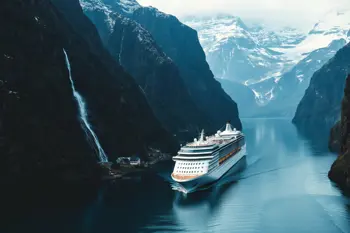
A typical itinerary for a voyage departing from Southampton follows a consistent, if adaptable, structure. Following departure, ships generally spend an initial day crossing the North Sea before reaching the western coast of Norway 1, 2. The operational goal is to balance city-based stops with scenic cruising days, where the vessel navigates narrow channels specifically to allow passengers to view cliff faces and waterfalls from the deck 2, 7. Mid-length itineraries of 7 nights usually feature a combination of larger coastal cities and smaller, deep-fjord village ports 2, 3.
The scheduling of these voyages is heavily influenced by seasonal factors, with the peak season running from May through September 2. During these months, the weather remains at its most temperate, and the thawing snow increases the volume of the region’s iconic waterfalls 7. While shorter sailings focus on the most accessible ports, 10 to 14-night options often include more remote locations such as Skjolden or deeper sections of the Sognefjord 2. Prospective travelers should be aware that itineraries can be subject to change due to port availability and local emissions regulations 3, 5.
Primary Port Destinations and Characteristics
The experience of a fjord cruise is largely defined by the ports of call, which offer vastly different perspectives of the Norwegian landscape. Ports like Flam, located deep within the Aurlandsfjord, provide access to the famous Flam Railway and dramatic mountain scenery, though they require careful planning due to the limited capacity of local excursions 1. Conversely, cities like Bergen act as larger cultural hubs, offering historical sites such as Bryggen and more developed urban infrastructure 1. Other notable ports are categorized below based on their primary appeal and operational considerations.
| Port | Primary Attraction | Operational Note |
|---|---|---|
| Flam | Flam Railway & Naeroyfjord | High excursion demand |
| Olden | Briksdal Glacier & Loen Skylift | Weather-dependent activities |
| Geiranger | Seven Sisters Waterfall | Tendering often required |
| Stavanger | Lysefjord & Pulpit Rock | Requires high fitness level |
| Alesund | Art Nouveau Architecture | Coastal, less 'deep-fjord' |
Cruising Regulations and Environmental Oversight
Modern fjord cruising is increasingly governed by strict environmental standards designed to protect the fragile ecosystems of the Norwegian coast. The 2026 zero-emission rules have necessitated changes in how cruise lines manage their itineraries, particularly regarding which vessels are permitted to enter specific, highly protected fjords 3. These regulations aim to reduce the environmental impact of large ships in sensitive areas, occasionally leading to a redistribution of port calls or an increased focus on coastal rather than deep-water routes 3, 5. Staying informed regarding specific ship capabilities is essential for understanding the accessibility of certain fjords 5.
Beyond environmental rules, travelers must consider visa and documentation requirements. While UK citizens generally require only a valid passport, current shifts in Schengen area regulations, such as the implementation of ETIAS, mean that entry requirements can evolve 7. It is advised to monitor the official guidance provided by the cruise operator closer to the departure date, as these protocols can influence boarding procedures and the ease of travel between different Norwegian regions 5.
The Role of Ship Size in Navigational Accessibility
There is a distinct difference in the experience offered by varying vessel sizes. Larger, resort-style ships provide extensive onboard amenities and entertainment venues, making them popular for families and first-time cruisers 3. However, their size can sometimes limit access to the narrowest fjord arms, necessitating a greater reliance on tenders or specific docking arrangements in nearby, more accessible ports 1, 2. Smaller vessels often possess the maneuverability to sail into tighter channels, potentially offering a more intimate viewing experience of the cliffs and valleys 5.
Choosing the right vessel involves balancing the desire for onboard comfort with the preference for specific itinerary destinations. For instance, some itineraries explicitly mention "scenic cruising" days, where the ship itself is the primary viewing platform for geological formations that are otherwise inaccessible from the shore 7. Regardless of the ship size, the focus remains on the landscape; however, those prioritizing access to the most remote corners of the fjords should specifically inquire about the ship’s ability to enter those specific waterways 3.
Economic and Planning Considerations
Pricing for Norwegian fjord cruises from Southampton varies significantly based on season, cabin category, and line classification. Entry-level pricing for standard inside cabins typically begins around £700 to £900, with balcony accommodations commanding a higher premium 3. It is important to account for costs beyond the base fare, such as mandatory or optional gratuities, excursion fees, and specialized dining, all of which contribute to the total financial commitment of the voyage 3, 4. Booking in advance remains a common practice, particularly for high-demand routes during the peak summer months 2, 5.
Ultimately, a successful trip requires a realistic appraisal of one's pace. The most rewarding moments on these cruises are frequently characterized by an unhurried approach to observing the natural environment 2. Because weather conditions in Norway can shift with little notice, flexibility is a critical component of any excursion planning. Whether opting for a large-scale cruise line or a specialized boutique operator, the primary value is found in the combination of efficient transport from the UK and the high-density natural beauty of the fjord landscapes 3, 5.
Sources
- The Cruise Atlas: No-Fly Norwegian Fjords Cruises from the UK
- PortAdventurer: Norwegian Fjords Cruise Guide 2026
- Norway Tourism: Norway Fjord Cruise Guide 2026
- ROL Cruise: 2026 No-Fly Norwegian Fjords Cruise Overviews
- Arctic Norway Tours: Norway Fjord Cruises from the UK Guide
- The Cruise Nexus: Liberty Of The Seas and Iona Itinerary Data
- General Travel Data and Official Line Portfolios (P&O, Cunard, Fred. Olsen, MSC, Saga, Ambassador, NCL, Celebrity, Visit Norway)