Vitamin D deficiency: 5 warning signs to watch for: A clinical overview of symptoms and health indicators
Vitamin D is a fat-soluble nutrient essential for calcium absorption, immune function, and the maintenance of skeletal health 2, 5. Despite its importance, recent data from The American Journal of Clinical Nutrition indicates that over 20% of U.S. adults are at risk of vitamin D insufficiency or deficiency 2. Because many individuals remain asymptomatic during the early stages of low levels, recognizing potential warning signs is critical for identifying when further medical evaluation may be required 3, 5.
1. Persistent Fatigue and Exhaustion
Exhaustion is frequently identified as a primary symptom associated with low vitamin D levels 1, 4. Clinical observations suggest that individuals experiencing persistent tiredness, even after adequate sleep, may have insufficient concentrations of this nutrient 1. While fatigue is non-specific and can arise from numerous medical conditions, research indicates that correcting low vitamin D status can sometimes correlate with improved energy levels and overall vitality in affected patients 1, 8.
2. Bone Discomfort and Aches
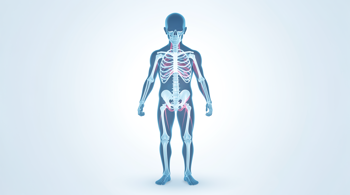
Because vitamin D is fundamental to the body’s ability to process calcium and phosphorus, a deficit can directly impact bone density and structure 3, 8. Patients with significant deficiencies may report throbbing or generalized bone pain, particularly in the pelvis, ribs, back, or legs 3, 6. Long-term deficiency is known to contribute to conditions such as osteomalacia, which causes bone softening, and may ultimately increase the risk of fractures, especially in older adults 2, 3.
3. Muscle Weakness and Difficulty Moving
Vitamin D plays a critical role in neuromuscular function, helping the body facilitate communication between the brain and muscles 2, 5. When levels are low, individuals may experience muscle aches or noticeable weakness, which can manifest as difficulty climbing stairs, rising from a chair, or walking with stability 4, 6. In the elderly population, this decline in muscle strength and balance is associated with an increased incidence of falls and related injuries 1, 3.
4. Frequent Illness and Immune Response
Beyond skeletal and muscular health, vitamin D is heavily involved in supporting the immune system’s ability to defend against pathogens, including bacteria and viruses 2, 8. Evidence suggests that those with low levels may be more susceptible to frequent illnesses or infections 7, 9. While immune health is multifaceted, adequate vitamin D status is considered a component of effective immune resilience and the regulation of systemic inflammation 5, 8.
5. Mood Disturbances
Emerging research continues to explore the link between vitamin D and psychological well-being. Some data associates low vitamin D levels with symptoms of depression and overall mood instability 2, 3, 9. While these symptoms are highly variable and may stem from many physiological or environmental factors, experts note that mood changes are sometimes reported alongside other physical symptoms in patients diagnosed with clinical vitamin D deficiency 3, 8.
Clinical Diagnosis and Risk Factors
It is important to note that symptoms alone cannot confirm a vitamin D deficiency, as they often overlap with other health issues 5, 6. A blood test, specifically measuring 25-hydroxyvitamin D, is the standard medical approach for diagnosis 5, 7. Individuals at higher risk include those with limited sun exposure, individuals with darker skin tones, older adults, those with conditions affecting nutrient absorption, and those with obesity 3, 4, 5. Because high-dose supplementation can carry risks, any suspicion of deficiency should be assessed by a healthcare professional rather than treated with self-administered megadoses 4, 5.
Sources
- Prevention: 5 Common Signs of Vitamin D Deficiency
- UPMC HealthBeat: Signs of Low Vitamin D in Adults
- Verywell Health: 3 Signs You May Be Low on Vitamin D
- Banner Health: Vitamin D Deficiency: Symptoms, Causes and How to Get Enough
- Acibadem Hospitals Group: 7 Signs of Low Vitamin D
- NHS: Vitamins and Minerals - Vitamin D
- Patient.info: Vitamin D Deficiency
- Mayo Clinic: Vitamin D Deficiency Symptoms and Causes
- Cleveland Clinic: Vitamin D Deficiency