Chronic arthritis in seniors: Solutions and daily management: A Comprehensive Clinical Overview
The Clinical Landscape of Arthritis in Aging Populations
Chronic arthritis remains a primary cause of disability among adults over the age of 65, affecting approximately 60% of this demographic 5. As the body ages, cartilage naturally thins and joint fluid decreases, leading to increased pain, stiffness, and reduced range of motion 10. While often dismissed as a standard consequence of aging, persistent joint discomfort requires professional evaluation to distinguish between various forms of the condition, such as osteoarthritis, which is a degenerative wear-and-tear process, and rheumatoid arthritis, an autoimmune inflammatory disease 5, 6. Early intervention is essential to prevent severe functional decline and long-term joint deformity 10.
Healthcare professionals typically diagnose these conditions through physical examinations, laboratory testing of bodily fluids, and advanced imaging 1. Imaging tools, including X-rays for monitoring bone damage, CT scans for cross-sectional internal views, and MRI or ultrasound for assessing soft tissue, cartilage, and joint bursae, are critical for forming an accurate management plan 1. Understanding the specific classification of arthritis-whether it is degenerative, autoimmune, or post-traumatic-is the foundation upon which clinicians build a tailored, multidisciplinary approach to care 7, 8.
The Role of Physical Therapy in Maintaining Mobility
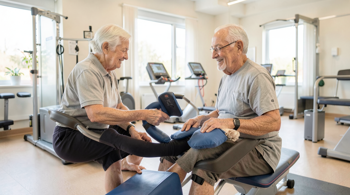
Physical therapy is frequently identified by clinical experts as one of the most effective, yet underutilized, interventions for managing arthritis in older adults 5. Studies suggest that structured physical therapy can be as effective as surgical intervention for many patients suffering from mild-to-moderate osteoarthritis 5. The primary objective of such therapy is to improve flexibility, balance, and strength without overstressing the joints, which helps patients maintain the physical capacity to perform essential daily tasks 2, 7. Low-impact activities, including swimming, water aerobics, and cycling, are widely recommended to reduce mechanical stress while maintaining joint health 2, 11.
Beyond formal therapy, consistent daily movement is a core pillar of arthritis management 7. When patients remain sedentary, stiffness can worsen, leading to a cycle of decreased mobility and increased pain 4, 10. Cardiovascular exercises, such as using a stationary bike, help preserve heart health while supporting weight management goals 2. Seniors are encouraged to consult with a physical therapist or physician before beginning new exercise routines to ensure movements are safe and appropriate for their specific level of joint health 2.
Weight Management and Inflammatory Control
Managing body weight is a critical factor in mitigating the progression of osteoarthritis, particularly in weight-bearing joints like the hips and knees 2. Excess body mass imposes significant mechanical load, accelerating cartilage wear 10, 17. Furthermore, adipose tissue acts as an active endocrine organ, releasing chemical signals that can increase systemic inflammation, which exacerbates joint pain 2. Clinical guidelines frequently advocate for a balanced diet rich in whole grains, lean proteins, fruits, and vegetables to support general health and inflammation reduction 2.
For many seniors, dietary modifications are a key component of a comprehensive arthritis care plan 13. Reducing the intake of processed foods and high-sugar beverages is often suggested to help lower inflammatory markers 2. Because chronic pain can lead to complications such as anxiety and depression, managing these physical factors through weight control and nutritional support is not only about joint preservation but also about protecting overall mental well-being and life satisfaction 4, 10.
Pharmacological Considerations and Monitoring
Medication management is a common strategy for controlling both the pain and the underlying inflammation associated with chronic arthritis 2. Physicians may recommend a combination of over-the-counter analgesics and prescription medications tailored to the patient’s diagnosis 2. For patients managing chronic inflammatory conditions, biologic medications have become an increasingly significant tool in modern treatment, often utilized alongside traditional therapeutic approaches to prevent joint damage 5.
However, the use of systemic medications, such as non-steroidal anti-inflammatory drugs (NSAIDs), requires rigorous monitoring in the elderly population due to the risk of side effects 12, 19. Doctors often track kidney function and gastrointestinal health in patients requiring long-term pharmacological support 19. Seniors experiencing negative side effects or difficulty with medication costs are advised to consult their healthcare provider, as alternative therapeutic options or financial support programs may be available to ensure consistent, safe treatment 2.
Home Modifications and Assistive Devices
Assistive technology and home modifications play a vital role in enabling seniors to maintain independence despite restricted joint mobility 4. Occupational therapists often conduct assessments of the home environment to suggest practical adjustments that reduce the physical strain of daily activities 11, 14. Simple, high-impact changes include the installation of grab bars in bathrooms, the use of specialized kitchen utensils to reduce grip strain, and the utilization of long-handled reachers for daily tasks 11, 18.
Beyond structural changes, orthotic footwear can help redistribute pressure during walking, providing relief for those with knee or spine involvement 11. Raised toilet seats and adaptive dressing aids are also commonly utilized to decrease the exertion required for routine hygiene and self-care 18. By proactively adapting the living environment, many seniors can continue to navigate their homes safely and perform daily chores without excessive reliance on external support, thereby fostering a sense of agency and autonomy 4.
Thermal Therapy and Complementary Strategies
Non-invasive thermal therapies, including the application of heat and cold, are widely recognized as effective methods for alleviating joint stiffness and acute inflammation 11, 15. Heat therapy, such as warm baths or heating pads, is typically used to relax muscles and increase blood flow, which helps reduce morning stiffness 15. Cold therapy is often applied to manage inflammation and numb painful, swollen joints during flare-ups 15. Hydrotherapy, which involves exercises performed in warm water, provides buoyancy that supports the joints while allowing for safe, range-of-motion training 11.
While these complementary strategies provide significant comfort, they should be viewed as parts of a holistic care strategy rather than replacements for medical oversight 10. The most successful management plans integrate these practical, low-cost solutions with professional medical guidance, physical therapy, and lifestyle changes to create a robust, multi-dimensional defense against the limitations imposed by chronic arthritis 10.
Sources
- https://www.mayoclinic.org/diseases-conditions/arthritis/diagnosis-treatment/drc-20350777
- https://www.arthritis.org/health-wellness/healthy-living/managing-pain/pain-relief-solutions/4-tips-for-managing-chronic-pain
- https://www.health.harvard.edu/pain/living-well-with-osteoarthritis-a-guide-to-relieving-the-pain-and-caring-for-your-joints
- https://activeagingdaily.com/arthritis-management-tips-for-seniors-daily-life/
- https://seniorssecrets.com/arthritis-pain-relief-seniors-2026/
- https://activeagingdaily.com/arthritis-management-for-seniors/
- https://www.aginguntold.com/2026/05/19/managing-arthritis-three-pillars-care-practical-strategies/
- https://www.fox8live.com/2026/05/19/aging-untold-managing-arthritis-three-pillars-care-practical-strategies/
- https://thetrustedcares.com/arthritis-treatment-options-for-seniors/
- https://drzaramulla.com/arthritis-management-for-the-elderly-causes-treatments-and-strategies/
- https://www.nhs.uk/conditions/osteoarthritis/
- https://www.versusarthritis.org/about-arthritis/managing-symptoms/managing-your-symptoms/
- https://www.mayoclinic.org/diseases-conditions/arthritis/diagnosis-treatment/drc-20350777
- https://www.arthritis.org/health-wellness/treatment/complementary-therapies/physical-therapies/occupational-therapy-for-arthritis
- https://www.webmd.com/osteoarthritis/guide/osteoarthritis-daily-living
- https://www.ageuk.org.uk/information-advice/health-wellbeing/conditions-illnesses/arthritis/
- https://www.healthline.com/health/osteoarthritis/weight-loss-and-oa
- https://my.clevelandclinic.org/health/diseases/12061-arthritis
- https://patient.info/bones-joints-muscles/osteoarthritis-leaflet