How to book a speech and language therapy session with the NHS: A practical access guide
How to book a speech and language therapy session with the NHS depends on the local service, the patient’s age, and the reason for seeking help. In many areas, the first step is a referral rather than direct appointment booking, although some NHS departments operate open referral systems or provide local self-referral forms.
Identify the correct local service
NHS speech and language therapy is organised locally, so eligibility rules and contact methods are not identical across the country. The NHS service finder can help identify a nearby speech and language therapy department by postcode, while local NHS trust pages usually explain whether the service supports adults, children, or both. Integrated Care Boards commission local services, contributing to differences in referral procedures and access criteria. 1
Services may be based in hospitals, community clinics, homes, schools, nurseries, or early years settings. Buckinghamshire’s children’s service, for example, works with children and young people aged 0 to 19 across community and educational environments. Devon also provides easy-access drop-in sessions for some preschool children, where a booking is not required, although dates and venues can change. 2
Check whether referral or self-referral applies
The usual route is a referral from a GP, health visitor, hospital clinician, school professional, or another healthcare service. For children, a parent, carer, nursery, or school may be involved, and some services require parental consent. Wandsworth information states that professionals or parents and carers can use a referral process for eligible children registered with a local GP, with consent required for a child’s referral. 3
Self-referral is available in some regions but cannot be assumed nationally. NHS Western Isles describes an open referral policy under which people can refer themselves at any time, while other departments direct patients to a professional referral route or a service-specific form. The local department’s website, telephone number, or administrative email should therefore be checked before sending personal information. 4
Prepare the information for a referral
A referral generally needs enough information for the service to decide whether an assessment is appropriate and how urgently it should be considered. Relevant details can include the communication, speech, voice, eating, drinking, or swallowing difficulty; when it began; how it affects everyday activities; and any related medical, developmental, educational, or neurological information. Cornwall’s adult service triages referrals against inclusion criteria and prioritises people according to clinical risk. 5
Children’s services may ask about development, listening, play, interaction, speech sounds, understanding and use of language, fluency, or swallowing. Buckinghamshire lists these areas among the difficulties therapists can assess and support. A referral should also identify communication needs in school, nursery, work, or home settings, because many services focus on helping families, carers, and education staff apply strategies in daily environments. 1
Understand triage and waiting periods
After a referral arrives, the department normally reviews the information before deciding the next step. This process is called triage and may result in a telephone call, an initial appointment, a request for more information, advice, or onward referral. NHS Western Isles reports that referrals are usually triaged within two to three working days for adults and two to three weeks for children, although busy periods can extend these times. 4
The wait for assessment or treatment depends on clinical priority, the reason for referral, local capacity, and the information supplied. A department may contact the patient by telephone or send a letter inviting them to an initial consultation. If the expected contact period has passed, the relevant service administration team can be asked to confirm whether the referral was received and whether further information is needed. 4
Know what the first session may involve
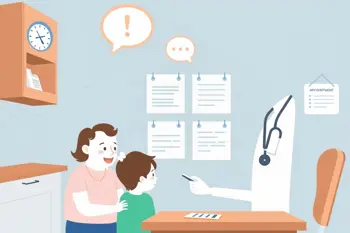
The first appointment is commonly an assessment rather than a therapy session focused on exercises. North Tees and Hartlepool states that an initial assessment explores communication skills, early development, concerns, and current abilities before the therapist discusses advice and next steps with the child and family. Alder Hey describes discussion, observation, play, pictures, books, and formal assessments where appropriate. 6
Appointment length and format vary. The Sefton children’s service describes a first appointment lasting approximately 30 minutes, while NHS Western Isles says initial appointments usually last around one hour and follow-up sessions may last 30 to 45 minutes. Sessions can be individual, group-based, remote, or delivered in a clinic, home, school, nursery, or other community setting, depending on local arrangements. 3
Plan for advice, treatment, and practical issues
Following assessment, the outcome may be advice for parents or carers, home or school activities, a programme of therapy, group or individual treatment, a parent workshop, onward referral, or monitoring without direct therapy. Alder Hey notes that a child may or may not need direct input from the service. North Tees also describes review assessments and modelling sessions that demonstrate strategies to parents or staff. 3
Patients should tell the service about accessibility, communication, travel, transport, or attendance difficulties as soon as possible. NHS Western Isles advises contacting the department when travel or transport creates a problem so that an alternative arrangement can be considered. While waiting, local NHS resources, recorded webinars, guides, and general advice may provide interim support, but urgent swallowing or sudden neurological symptoms require appropriate medical attention through established healthcare routes. 4
Sources
- NHS service finder, Speech and language therapy
- Buckinghamshire Healthcare NHS Trust, Speech and language therapy
- Alder Hey Children’s Hospital, Sefton Children’s Speech and Language Therapy Service
- NHS Western Isles, Speech and Language Therapy frequently asked questions
- Cornwall Partnership NHS Foundation Trust, Adult speech and language therapy
- North Tees and Hartlepool NHS Foundation Trust, Children’s appointment guidance