Join our tai chi sessions for active older adults: An Evidence-Based Guide to Gentle Movement
What tai chi sessions generally involve
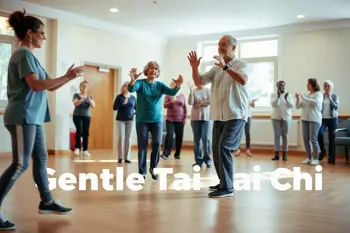
Sessions described as tai chi for active older adults usually combine slow, flowing movements with controlled breathing and changes in posture. The practice is low impact and can be adapted for different abilities, making it distinct from higher-intensity exercise formats. The NHS describes tai chi as gentle exercise involving slow movements and breathing, while Age UK identifies it as an accessible activity for older people. 10 11
Class structures vary by provider, but examples in the supplied information include weekly one-hour sessions, introductory courses, and programs focused on arthritis or falls prevention. Some classes are delivered in community centers, recreation grounds, health facilities, or online. Participants may be asked to wear loose clothing and supportive shoes, particularly where balance and mobility exercises form part of the session. 1 3 7
Potential balance and mobility benefits
Balance is a central reason tai chi appears in programs for older adults. The Cochrane evidence review supplied for this article reports that tai chi may reduce falls and improve balance-related outcomes in older people. The UK Chief Medical Officers also recommend that older adults include balance and coordination activities alongside other forms of weekly physical activity. These findings support viewing tai chi as one component of a broader movement routine rather than a complete substitute for all exercise. 13 12
Community program descriptions commonly identify flexibility, coordination, strength, mobility, and confidence as intended outcomes. The YMCA of Greater Des Moines lists tai chi among active older adult classes designed to support functional strength, stability, and flexibility used in daily activities. Other programs describe higher, more upright stances intended to be gentler on the knees and hips, although individual comfort and ability remain important factors. 6 8
What research says about pain and physical function
The National Center for Complementary and Integrative Health reports evidence that tai chi may improve balance and may benefit pain and physical function for some people with knee osteoarthritis. This wording indicates a potential benefit rather than a guaranteed result, and it does not establish that tai chi will address every cause of joint pain. A qualified health professional can help determine whether movement is appropriate for a particular condition. 14
Programs aimed at arthritis often combine gentle movement with falls-prevention education. Examples supplied include a certified instructor-led course in southwest Georgia and a weekly introductory class sponsored by a community organization in Alabama. Such labels describe the program’s educational focus, not a promise that falls or arthritis symptoms will be prevented for every participant. Course content, instructor credentials, duration, and adaptation methods should therefore be checked before attendance. 2 4 7
Mental wellbeing and mindful breathing
Tai chi combines physical activity with focused breathing and deliberate attention, which may provide a structured way to slow down during movement. ActiveWestminster describes its sessions as supporting stress reduction, mobility, balance, and community connection, while Healthy Acadia characterizes tai chi as “meditation in motion.” These descriptions indicate that classes may address mental wellbeing as well as physical activity, but they should not be interpreted as treatment for a diagnosed mental health condition. 1 3
Reported wellbeing outcomes include reduced stress, greater calm, mental clarity, and social connection. The Sabathani Community Center describes a welcoming setting focused on relaxation, balance, body awareness, and inner calm, while the Harvard Health summary identifies potential associations with stress reduction, strength, flexibility, and balance. Results can depend on attendance, comfort, teaching quality, and other health factors, so expectations should remain realistic and individualized. 7 16
Examples of class schedules and eligibility
Available examples show considerable variation in scheduling and eligibility. A Paddington Recreation Ground program is described as meeting Tuesdays from 2:00 to 3:00 p.m. and welcoming beginners and experienced participants. A Florida Department of Health listing describes a 16-class series held Tuesdays and Thursdays from 10:00 to 11:00 a.m. Other examples specify monthly sessions, eight-week courses, or 15-class programs. Dates and availability can change, so published details require verification. 1 5 8 9
Eligibility is also not uniform. Some programs target older adults or people aged 55 and above, while others are open to adults of all ages but note that the format may suit senior community members. Membership, registration, location, and instructor requirements differ between organizations. A person considering attendance should check the intended age group, physical demands, venue accessibility, session length, and whether seated or modified movements are available. 6 7
Safety, limitations, and practical questions
Tai chi is generally described as gentle, but gentle does not mean risk-free. Older adults should begin at a comfortable level, progress gradually, and seek professional advice when health concerns exist or suitability is uncertain. The Centers for Disease Control and Prevention recommends that older adults include balance activities and increase activity according to their abilities. Pain, dizziness, instability, or unusual breathlessness are practical reasons to stop and seek appropriate guidance. 17 11
Important questions concern instructor training, class adaptation, floor surfaces, footwear, emergency procedures, and whether participants can use a chair or remain seated when needed. Some listed programs identify certified instructors, including instructors trained through the Tai Chi for Health Institute, but credentials differ across providers. Tai chi can complement broader physical activity, yet the World Health Organization recommends regular activity for older adults generally, meaning one weekly class should not automatically be treated as a complete fitness plan. 3 2 18
Sources
- ActiveWestminster, “Tai Chi Tuesdays At Paddington Recreation Ground”
- Southwest Georgia Council on Aging, “Tai Chi for Arthritis and Falls Prevention”
- Healthy Acadia, “Tai Chi for Health Autumn Class Schedule”
- LIFTT, “Tai Chi for Arthritis & Fall Prevention”
- Kickapoo Tribal Health Center, “Tai Chi Class for Elders”
- YMCA of Greater Des Moines, “Active Older Adults”
- Sabathani Community Center, “Tai Chi Chuan”
- Florida Department of Health in Charlotte County, “Tai Chi for Health”
- Aging Ahead, “OASIS: Tai Chi Arthritis and Falls Prevention”
- NHS, “Guide to tai chi”
- Age UK, “Tai chi”
- UK Government, “Physical Activity Guidelines: UK Chief Medical Officers’ Report”
- Cochrane, “Tai chi for preventing falls in older people”
- National Center for Complementary and Integrative Health, “Tai Chi and Qi Gong”
- Mayo Clinic, “Tai chi”
- Harvard Health Publishing, “The health benefits of tai chi”
- Centers for Disease Control and Prevention, “Physical Activity Basics for Older Adults”
- World Health Organization, “Physical activity”