Natural methods for lower back pain relief: A Comprehensive Review of Evidence-Based Strategies
Lower back pain remains a significant global health challenge, affecting an estimated 619 million people as of 2020, with projections suggesting this figure could reach 843 million by 2050 6. As the leading cause of disability worldwide for over three decades, this condition frequently prompts individuals to seek natural, non-pharmacological solutions before considering invasive interventions 5, 6. While approximately 85% of cases are classified as non-specific, meaning they stem from muscle tension, lifestyle factors, or fascial restriction, identifying the appropriate management plan is essential for long-term spinal health 9.
Understanding the Drivers of Lower Back Discomfort
The lumbar spine acts as a vital structural connector, supporting the majority of body weight while facilitating movement like walking, lifting, and twisting 3. Chronic pain often results from cumulative daily stressors rather than a single event, with common triggers including prolonged sedentary behavior, poor posture, and improper lifting mechanics 6. Medically, clinicians often categorize this discomfort as either muscle or tendon strains or nerve impingement-the latter occurring when pressure is applied to spinal nerves due to conditions such as stenosis, spondylolisthesis, or disc issues 3. Prior to starting any self-directed management program, it is critical to consult a professional to rule out "red flags" such as bowel or bladder dysfunction, saddle numbness, or pain resulting from significant trauma 7.
The Importance of Movement and Exercise Therapy
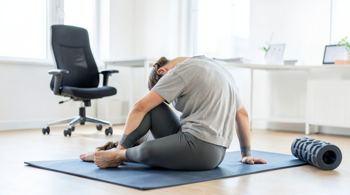
Current clinical consensus strongly favors active recovery over prolonged bed rest, as movement improves pain intensity and functional capacity more effectively than inactivity 2, 5. A systematic review and meta-analysis of 35 randomized controlled trials revealed that exercise interventions, including Pilates, yoga, and tai chi, provide significant analgesic effects 4. Among these, walking, Pilates, and tai chi demonstrated the most notable reductions in pain scores, while walking and Pilates showed significant efficacy in improving scores on the Oswestry Disability Index 4. Regular exercise not only manages existing pain but also serves as a long-term preventative measure by strengthening the core muscles that support the spine 9.
Integrating Home-Based Physical Therapies
Home management strategies often center on thermal regulation and targeted physical stimuli to soothe irritated tissues. Heat therapy, such as the use of heat wraps or hot water bottles, is frequently recommended for chronic pain to increase local blood flow and reduce muscle spasms 5. Conversely, cold therapy, applied via ice packs, is generally prioritized during the first 48 hours following an acute injury to limit inflammation and numb the area 5. Additionally, the use of acupressure mats-foam pads covered in small spikes-has gained attention for its ability to trigger endorphin release and improve circulation through multi-point pressure, with some studies indicating that consistent usage may reduce the need for pain medication 9.
Lifestyle Adjustments and Ergonomics
Modifying daily habits remains a cornerstone of natural back pain management. Because sedentary work often results in tight hip flexors and weakened gluteal muscles, which can strain the lower back, ergonomic adjustments such as utilizing supportive seating are highly advised 6. Maintaining a healthy weight further assists by reducing the structural load exerted on spinal discs and supporting tissues 5. Furthermore, optimizing sleep hygiene and incorporating mindfulness-based stress reduction techniques can address the psychological aspects of chronic pain, as the perception of discomfort is often linked to elevated stress levels 5, 9.
Evaluating Professional Interventions
When self-management is insufficient, seeking a qualified health professional-such as a licensed physical therapist or a physiatrist-is necessary for an accurate diagnosis, which may include physical exams or diagnostic imaging such as MRIs or X-rays 1. Multidisciplinary interventions combining physical therapy and guided exercise generally show better outcomes than standard care 2. While spinal manipulation and acupuncture have been studied as non-pharmacological options, the strength of the evidence varies; for instance, acupuncture has been shown to moderately reduce pain intensity, whereas the effectiveness of traction remains unsupported by clinical data 2.
Comparison of Common Management Methods
| Method | Primary Benefit | Long-Term Impact |
|---|---|---|
| Targeted Exercise | Improved Mobility | Very High |
| Heat/Cold Therapy | Immediate Symptom Relief | Moderate |
| Acupressure | Myofascial Release | High |
| Core Strengthening | Spinal Support | Very High |
| Stress Management | Pain Perception | High |
Sources
- Harvard Health: Create a plan to relieve your back pain
- American Family Physician: Nonpharmacologic and Nonsurgical Treatment of Low Back Pain in Adults
- Cedars-Sinai: The Best Stretches and Exercises for Lower Back Pain
- Frontiers in Physiology: Effects of different exercise interventions on lower back pain
- V Cure: What Are the Best Natural Ways to Treat Lower Back Pain?
- Audubon Park Chiropractic: How to Relieve Lower Back Pain Naturally
- Mindful Movement PT: How to Treat Back Pain at Home
- Chinese Journal of Tissue Engineering Research: Optimal exercise prescription for chronic low back pain
- Health Passion Lab: Relieve Back Pain Naturally: 8 Proven Methods