Which natural herbal blends may help with occasional joint discomfort? A review of current research and clinical perspectives
When individuals experience occasional joint discomfort, they often investigate natural herbal blends as a complementary approach to traditional wellness strategies. These remedies typically combine various plant-based extracts that have been used for centuries, now increasingly examined through the lens of modern medical science 1. Understanding the potential benefits of these ingredients requires a focus on how specific botanical compounds interact with the body's inflammatory response, which is often at the root of stiffness and reduced mobility 2.
The Role of Botanical Synergies in Joint Support
Herbal medicine frequently relies on the principle of synergy, where combining different plants creates an effect that may be more significant than using a single ingredient alone 1. Many modern joint health formulations integrate multiple standardized extracts to address both inflammation and mobility simultaneously. Research indicates that such blends can be effective for physically active adults who experience mild joint issues during exercise, with some clinical trials specifically measuring outcomes in knee and lower back support 3.
Key Ingredients Often Found in Herbal Blends
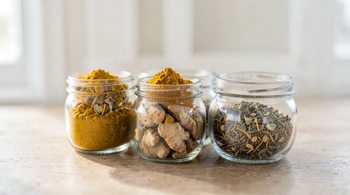
Several plants are frequently included in these formulations due to their established profiles in botanical literature. Turmeric and ginger represent perhaps the most common pair, with turmeric containing the active compound curcumin, which is researched for its anti-inflammatory properties 7, 9. Ginger is recognized for its ability to block specific proteins involved in the inflammatory process 7. Additionally, the inclusion of black pepper extract is a standard practice in these blends because piperine significantly enhances the bioavailability of curcumin, which is otherwise difficult for the body to absorb efficiently 9, 10.
| Herb | Primary Known Compound | Commonly Cited Benefit |
|---|---|---|
| Turmeric | Curcumin | Anti-inflammatory support |
| Ginger | Gingerols | Reduced swelling and discomfort |
| Boswellia | Boswellic acids | Joint mobility and stiffness |
| White Willow Bark | Salicin | Pain management |
| Black Pepper | Piperine | Enhanced nutrient absorption |
Boswellia and Other Traditional Botanicals
Boswellia serrata, also known as Indian frankincense, is a staple in joint-focused herbal supplements. Standardized to contain high concentrations of boswellic acids, this extract works in tandem with other herbs to help maintain a balanced response to everyday physical stress 8. Beyond boswellia, other herbs such as Devil's Claw and white willow bark are frequently utilized. White willow bark, in particular, contains salicin, a compound that functions in a manner similar to conventional anti-inflammatory medications to assist in the management of musculoskeletal discomfort 2, 9.
Clinical Context and Midlife Joint Changes
Joint discomfort often increases in frequency during a person's 40s and 50s. For many women, this is partly attributed to hormonal shifts during perimenopause and menopause, as estrogen serves as a natural anti-inflammatory agent for joints and ligaments 9. In these life stages, herbal blends containing green tea extracts, which are rich in antioxidants called polyphenols, are sometimes used to complement lifestyle changes. Scientific review suggests that addressing these issues requires a combination of regular, low-impact exercise, weight management, and, if appropriate, targeted herbal support 2, 4.
Safety Considerations and Regulatory Realities
While natural, these herbal preparations are not without risk. Consumers should be aware that herbal remedies can cause side effects such as digestive upsets, sleep disturbances, or muscle aches 1. More importantly, botanical supplements may interact with prescribed medications, particularly blood thinners or other anti-inflammatory drugs 1, 9. Because the supplement industry is subject to different regulatory standards than pharmaceuticals, the quality and potency of herbal products can vary significantly between manufacturers 7, 9.
Best Practices for Evaluating Joint Supplements
Before beginning any new regimen, it is recommended that individuals consult with a healthcare professional to ensure the chosen blend is appropriate for their specific health history 1, 6. Professional guidance is particularly vital for those with existing chronic conditions or those who are pregnant. Objective research suggests that supplements should function as a complement to, not a replacement for, a nutrient-dense diet and consistent physical movement 1, 4. Always look for products that undergo third-party testing to verify purity and potency, as this serves as a baseline for quality assurance 8.
Sources
- Arthritis NZ: Herbs and supplements
- Verywell Health: 11 Herbs for Natural Pain Relief
- HerbalGram: Chinese Chaste Tree and Ginger Supplement May Help Improve Joint Comfort
- AARP: 7 Supplements for Joint Pain
- Nature Made: 3-In-1 Joint Comfort Capsules
- Oak Street Health: 8 Best Supplements for Joint Pain
- Health.com: 8 Powerful Herbs To Fight Inflammation Naturally
- NatureWise: Turmeric Boswellia
- Midi: Herbs for Inflammation and Midlife Joint Comfort
- Cleveland Clinic: Turmeric Health Benefits