2-day Dublin getaway by train with central hotel options: an independent planning guide
Key facts
- Two full days generally cover Dublin city, while a third day allows time for a nearby excursion. 1
- Central Dublin hotel rooms typically range from about €90 to €300 per night in 2026, depending on category and season. 1 2 3
- Staying near central districts such as St Stephen’s Green, Grafton Street, Temple Bar or O’Connell Street keeps major sights accessible.
- Dublin’s main railway terminals are Connolly, serving northern and eastern routes, and Heuston, serving western and southern routes.
A 2-day Dublin getaway by train works well as a self-guided short break rather than a fixed package. Dublin is compact, walkable and concentrated around the River Liffey, with museums, historic buildings, Georgian streets, parks, pubs and cultural venues spread across a relatively small central area. A rail journey can place travellers close to the city centre, while a carefully chosen hotel reduces time spent crossing the city.
Train routes and Dublin’s main stations
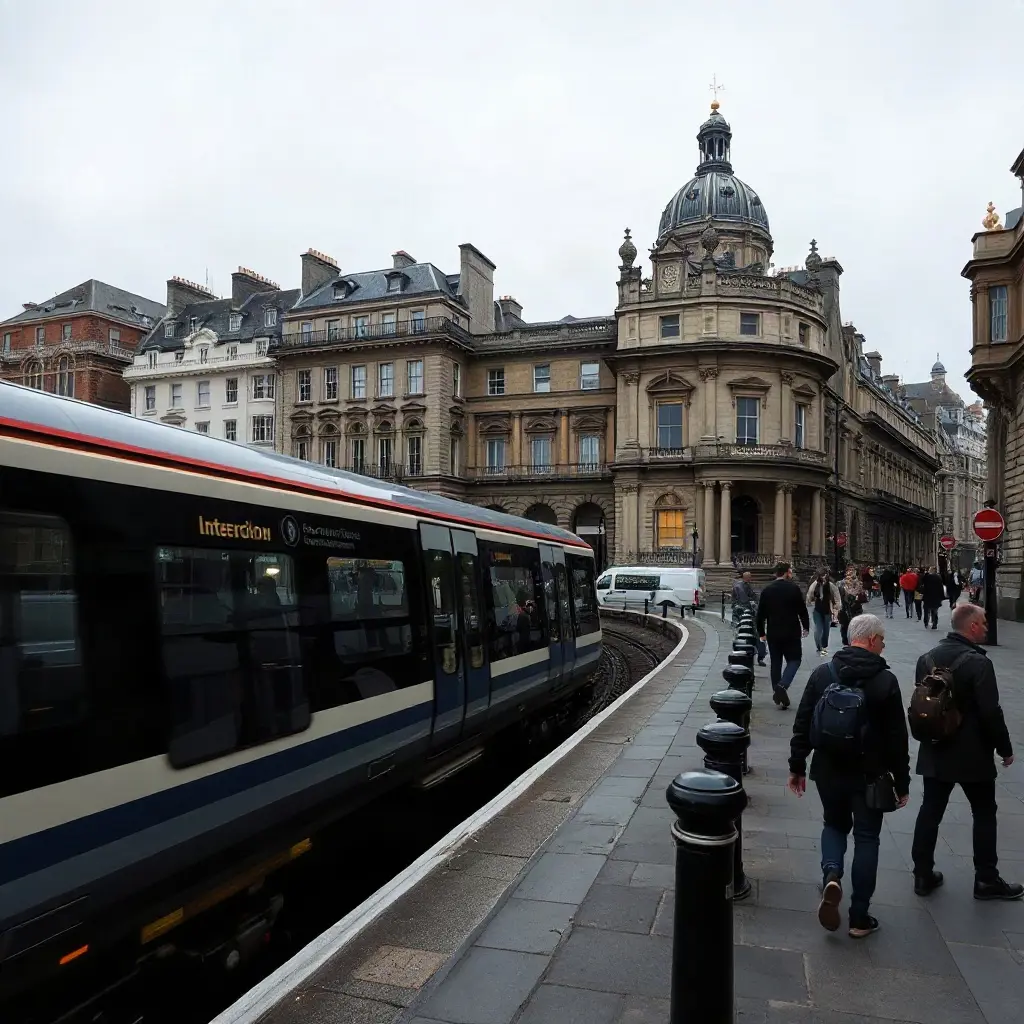
Dublin’s intercity rail network is organised around two principal terminals. Connolly is the main arrival point for services from the north and east, while Heuston handles routes from the west and south. The stations are not interchangeable, so the destination and departure city determine where a journey ends. Checking the terminal before travelling matters because changing between Connolly and Heuston takes additional time by foot or local transport.
Tickets are generally purchased through the national rail operator’s booking channels or station facilities, with fares influenced by route, departure time, flexibility and how early travel is arranged. Standard seating is the normal intercity option, while some services provide a higher class with additional space or quieter surroundings. Weekend costs therefore vary substantially, and a single universal Dublin fare would be misleading. Printed or digital tickets should be kept available for inspection during the journey.
What counts as a central Dublin hotel area
For a short visit, central usually means the districts around the Liffey and the inner city between the Royal and Grand Canals. St Stephen’s Green and Grafton Street form a convenient southside base near shops, cafés, museums and galleries. Temple Bar is close to Trinity College and evening venues, although its lively atmosphere can mean more street noise. O’Connell Street and the Parnell Street area offer northside access to theatres, buses and central landmarks.
The Liberties, around St Patrick’s Cathedral, suits visitors interested in historic streets, markets and craft businesses. Docklands provides modern architecture, riverside walks and access to EPIC The Irish Emigration Museum. Accommodation ranges from hostels and guesthouses to independent hotels and larger four-star properties. A central address is not automatically quiet or inexpensive, so room position, sound insulation, breakfast terms and walking distance are practical comparison points.
Typical accommodation costs in 2026
Published 2026 travel guides place central Dublin accommodation across a broad range. A budget or mid-range double room is commonly described at about €90 to €160 per night, while a good central hotel is reported from around €140. Four-star rooms are commonly placed around €180 to €300 or more. These are market estimates rather than quotations, and event dates, weekends, room size and booking conditions can move the final figure considerably. 1 2 3
| Accommodation type | Typical 2026 indication | Planning consideration |
|---|---|---|
| Central hostel dormitory | About €30 to €50 per night | Shared facilities and less privacy |
| Budget or mid-range double | About €90 to €160 per night | Room standards and location vary |
| Good central hotel | From around €140 per night | Rates change with dates and demand |
| Four-star hotel | About €180 to €300 or more | Additional facilities may raise costs |
These estimates describe accommodation only, not rail travel, meals, attraction admission or local transport. A two-night stay can therefore represent a significant share of the total trip cost. A central room may reduce local travel time, but the trade-off can be higher accommodation pricing and greater exposure to nightlife noise, particularly around Temple Bar and major entertainment streets.
A practical 48-hour Dublin itinerary
On the first day, arrival at Connolly makes a natural starting point for Trinity College, the Book of Kells area, Temple Bar and the southside streets leading towards Grafton Street. St Stephen’s Green provides a quieter break, while the National Gallery of Ireland and nearby Georgian districts add museums and architecture without requiring a long journey. The River Liffey can then link the evening route towards Docklands or central dining areas.
The second day can focus on Dublin’s historic and cultural landmarks. The Guinness Storehouse, St Patrick’s Cathedral, Dublin Castle and the National Museum are prominent choices, although opening arrangements and admission requirements should be checked before setting the order. Dublin Castle is reported as closed to visitors until 31 December 2026 because of Ireland’s EU Presidency arrangements. 1 Kilmainham Gaol is another major attraction, but its position west of the core makes it more suitable for a planned morning journey than an improvised stop.
Getting around after arrival
Much of central Dublin is practical on foot, especially the area linking Trinity College, Temple Bar, Grafton Street, St Stephen’s Green and the museums. Walking also makes it easier to combine small streets, cafés, parks and historic buildings between major visits. Connolly is closer to the north and east side of the centre, while Heuston is farther west, making the arrival station relevant when selecting a hotel.
For longer connections, Dublin Bus, Luas trams, DART trains and commuter rail serve different parts of the metropolitan area. A TFI Leap Card is described as covering Dublin Bus, Go-Ahead Dublin services, Luas and most DART and commuter rail within the relevant zone. The reported adult 90-minute Zone 1 fare is €2, with daily and weekly caps of €6 and €24 respectively, valid from 28 April 2025. 4 Transport disruption, event crowds and weather can still make walking the quicker option for short central trips.
Seasonal timing and practical cautions
May, September and October are frequently identified as attractive periods for a Dublin city visit, combining manageable conditions with longer daylight or lower seasonal pressure than the main summer period. 1 Dublin weather can change quickly, so a waterproof outer layer and comfortable walking shoes are useful whatever the month. Summer, St Patrick’s Day and large concert dates can place extra pressure on rooms and transport, while winter brings shorter daylight and a greater likelihood of indoor-focused plans.
Attraction capacity and opening schedules are important constraints on a two-day itinerary. The Book of Kells, Guinness Storehouse and Kilmainham Gaol are reported to sell out, making advance planning relevant even though the trip itself remains independent. 1 Rail delays, luggage storage arrangements, check-in times and the distance between the arrival station and the chosen neighbourhood should also be considered. The main risks are not complicated navigation, but overloading the itinerary and assuming every landmark is open on the intended day.
What a short Dublin rail break includes
A self-guided two-day trip normally combines intercity rail tickets, two nights of accommodation, meals, local transport and selected attraction admissions. Rail pricing depends on the origin and ticket conditions, while hotel costs vary by neighbourhood and room type. Central hotels can make the itinerary more efficient, but a slightly quieter district may provide better rest. Comparing total journey time, station access, room conditions and admission schedules is more useful than focusing on one headline number.
Dublin’s appeal for a short getaway lies in the balance between major sights and unstructured time. A visitor can move from literary heritage and national collections to riverside walks, Georgian squares, live music and traditional pubs within the same day. Ireland.com describes the city as a UNESCO City of Literature with historic buildings, cafés, parks and attractions including Temple Bar, EPIC The Irish Emigration Museum and Kilmainham Gaol. 5 That concentration makes a 48-hour visit realistic, provided travel connections and opening times are planned carefully.
Sources
- Dublin travel guide: the best things to do, eat and drink in 2026: https://inbetweentravels.com/dublin-travel-guide/
- Dublin City Centre Hotels: Compare Best Areas & Prices: https://hotelharbour.co.uk/guides/dublin-city-centre-hotels-compare-areas/
- Dublin trip cost: complete 2026 budget guide with real prices: https://www.dublin-spirit.com/guides/dublin-trip-cost-budget/
- Dublin travel guide: Neighbourhood stays, top sights: https://www.pointahotels.com/local-guides/dublin/
- Discover Dublin | Ireland.com: https://www.ireland.com/en-au/destinations/experiences/dublin/