The best mobility scooters for seniors: An analytical overview of current market standards
Understanding Mobility Scooter Classifications and Design
Mobility scooters serve as essential tools for individuals experiencing mobility limitations due to injury, chronic conditions like fibromyalgia or multiple sclerosis, or age-related challenges 1. The market is broadly categorized into portable boot models, mid-sized pavement scooters, and larger, road-legal variants 11. Portable or boot scooters feature modular designs that allow users to dismantle the unit into smaller, lightweight components, facilitating transport in standard vehicle trunks 12. In contrast, road-legal scooters are engineered with advanced lighting, enhanced suspension, and higher speed capabilities, often reaching up to 8 mph 14.
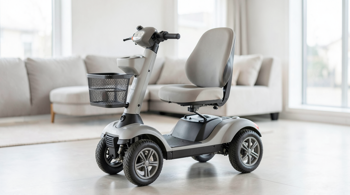
Technical design differences, specifically regarding wheel configuration, significantly influence operational performance. Three-wheel scooters are noted for their tighter turning radius, making them particularly effective for indoor navigation within constrained hallways or elevators 13. Conversely, four-wheel models are frequently favored for outdoor use, providing increased stability on uneven surfaces such as sidewalks or park paths 2. Prospective users must evaluate their primary environment, as the maneuverability requirements for indoor errands differ substantially from the stability needs for outdoor excursions 3.
Evaluating Performance Metrics: Range and Weight Capacity
Battery technology represents a critical variable in scooter performance, directly impacting the effective range of the device. Recent industry shifts have seen a transition from traditional sealed lead-acid batteries to lithium-ion technology, which offers extended lifespans and a significant reduction in overall unit weight 15. Models currently available range significantly in performance; for example, some high-capacity scooters offer ranges reaching up to 40 miles on a single charge, while more compact portable versions may be limited to shorter distances better suited for quick, local errands 4, 5.
Weight capacity is an equally vital metric, as exceeding the manufacturer's specified load limits can compromise the structural integrity and safety of the device. Most standard senior-oriented scooters support between 265 and 330 pounds, though heavy-duty options exist that can accommodate users exceeding 180 kilograms (approximately 400 pounds) 2, 7, 16. Users should consult official specifications carefully to ensure the device is rated for their specific needs, factoring in any additional weight from accessories like baskets or personal belongings that might be carried during operation 3, 17.
Ergonomics and Safety Features
Effective mobility solutions prioritize user ergonomics to ensure long-term comfort and safety. Key features to assess include the adjustability of the tiller, seat comfort, and the overall accessibility of control interfaces 19. Rotating seats are often integrated into models to assist with mounting and dismounting, particularly for those with restricted range of motion or physical weakness 7. Safety remains a paramount concern, with modern scooters incorporating features such as LED lighting, audible signals, and reliable braking systems designed to function in various weather and terrain conditions 3, 16.
When evaluating these devices, it is essential to recognize the tradeoffs inherent in different designs. Lightweight, foldable models emphasize portability but may occasionally offer fewer safety-enhancing features or lower-powered motors, which can impact performance on steep inclines 5. More robust models provide superior comfort for long-distance travel but may prove bulky or difficult to transport without external assistance, such as a vehicle lift or professional handling 4, 6. Balancing these factors depends entirely on the user's daily activity levels and home infrastructure.
Maintenance and Regulatory Considerations
The long-term reliability of a mobility scooter depends on consistent maintenance and access to professional aftercare services. In many regions, particularly across Ireland and the UK, specialized local retailers provide essential support including routine inspections, battery diagnostics, and repairs 18. Owners of road-legal or Class 3 scooters are often advised to obtain insurance and breakdown coverage to mitigate risks associated with public operation 11. Understanding local regulatory classifications is mandatory, as speed limits and road usage rules vary by jurisdiction 12.
Potential users may also explore institutional support systems for acquiring mobility aids. In Ireland, for instance, the Health Service Executive (HSE) may provide guidance or access to mobility aids based on individual medical assessments and local eligibility criteria 17. Prospective owners are encouraged to undergo a thorough clinical assessment to determine which specific category of mobility device aligns with their physical needs and home environmental requirements 11. Proper consultation with a healthcare provider or occupational therapist remains the recommended pathway for ensuring a safe and effective user experience.
Comparison Table of Common Mobility Scooter Specifications
| Feature Category | Typical Range | Considerations |
|---|---|---|
| Weight Capacity | 265 lbs to 400 lbs | Must match user weight plus cargo |
| Speed | 3 mph to 8 mph | Regulated by class (Class 2 vs Class 3) |
| Battery Range | 10 to 40 miles | Dependent on terrain and battery chemistry |
| Transportability | Modular vs. Rigid | Impacts ease of car transport |
| Turning Radius | 30 to 50 inches | Critical for indoor usage |
Market Trends and Future Directions
The mobility scooter market is increasingly integrating smart technology, with some newer models offering features such as AI-assisted speed control and enhanced battery management systems 6. These innovations are designed to provide a more intuitive user experience, though they often correlate with higher price points 4, 5. The shift toward standardized, lightweight materials has also made formerly cumbersome devices more accessible to seniors, allowing for greater independence in travel and daily living 7.
As the demographic of mobility scooter users broadens to include individuals of all ages with varied health conditions, manufacturers are responding with more diverse aesthetic and functional choices 1. However, the core challenge for the consumer remains the same: selecting a device that minimizes risk and maximizes utility. By focusing on data-driven requirements such as motor power, incline capacity, and foldability, users can identify tools that support their mobility goals without exceeding their functional needs 3, 6.
Sources
- Consumer Reports: Best Mobility Scooters, 2026.
- Golden Age Gadgets: 9 Best Mobility Scooters for Seniors in 2026.
- Hoverflys: Best Mobility Scooters for Seniors 2026 Buying Guide.
- Unique Gifts and Decor: 11 Best Mobility Scooters for Seniors in 2026.
- Caregiver Information: 15 Best Senior Care Mobility Scooters in 2026.
- Comfort a Life: 14 Best Lightweight Mobility Scooters.
- Senior Learning Network: Top 7 Best Mobility Scooter for Elderly Parents.
- Rydego: Go Go Elite Traveller 2 Specifications.
- Pride Mobility: Scooter Models Covered by Medicare.
- Mochidoyvr: Power Scooter Review and Buying Guide.
- Ability Superstore: A Guide to Buying the Best Mobility Scooter.
- GOV.UK: Mobility Scooters and Wheelchairs Rules.
- Verywell Health: Best Mobility Scooters Analysis.
- Citizens Information: Health Services for People with Disabilities.
- Forbes Advisor: Best Mobility Scooters Report.
- Age UK: Housing Options and Mobility Aids.
- HSE.ie: Occupational Therapy and Mobility Aids Service.
- Mobility Ireland: Maintenance and Aftercare Services.
- AARP: Choosing a Mobility Scooter.