Vacant houses in Ireland: locations, property condition and viewing advice: A Comprehensive Analysis for Prospective Buyers
Understanding the landscape of vacant housing in Ireland requires a clear distinction between properties that are simply unoccupied and those that have fallen into dereliction 1. According to the 2022 Census, there were 131,308 vacant dwellings in the country, excluding holiday homes, with higher concentrations observed in rural and western regions 2. These properties often emerge due to complex factors including inheritance disputes, estate planning delays, shifting demographic trends, and property speculation 3. Prospective buyers often view these assets as opportunities for renovation, though the process demands rigorous legal, structural, and financial due diligence 4.
Geographic Distribution and Identification of Vacancy
Vacant properties are not evenly distributed across the Irish landscape, with significant variations occurring between urban centers and rural territories 5. While major cities remain high-demand zones, many rural counties report elevated vacancy rates, frequently associated with aging housing stock and younger generations migrating toward urban employment hubs 6. Identifying these homes often involves monitoring portals such as Daft.ie or MyHome.ie, where properties are sometimes listed as renovation projects or restoration opportunities rather than turnkey residences 7.
Local authorities also maintain registers concerning derelict sites, which can serve as a secondary data source for identifying homes that may be subject to intervention 8. When investigating a specific location, buyers should consult the national ePlanning portal to verify the history of any building, as this can reveal previously rejected planning applications or ongoing enforcement notices that might complicate future development 9.
Assessing Property Condition and Structural Integrity
The visual condition of a vacant property can be deceptive, as a seemingly sound structure may harbor deep-seated defects resulting from years of neglect 10. Potential hazards often include moisture ingress, failed roof structures, and outdated electrical systems that may require complete replacement to meet modern safety standards 11. Professional surveyors frequently recommend a systematic, top-down inspection approach, focusing on the chimney stack, roof tiles, gutters, and the damp-proof course, which are critical indicators of the building's overall health 12.
In addition to structural elements, long-vacant properties may require specialized environmental testing for issues such as radon gas, particularly in regions identified by the Environmental Protection Agency as having high geological potential for such exposure 13. Older buildings may also contain hazardous materials like asbestos, requiring professional abatement before any significant renovation work can proceed 14. Reliance on basic mortgage valuations is discouraged, as these are typically limited in scope and do not constitute a comprehensive structural assessment 15.
Strategic Viewing Protocols
Conducting an effective property viewing requires more than a superficial walk-through of the premises 16. Prospective buyers should arrive prepared with basic inspection tools to evaluate water pressure, floor stability, and signs of subsidence, such as large, stepped cracks in external masonry 17. Because estate agents may not always be aware of the technical history of a property, buyers should independently verify the Building Energy Rating (BER) status and historical sale prices via the Property Price Register to gauge whether the asking price is aligned with market reality 18.
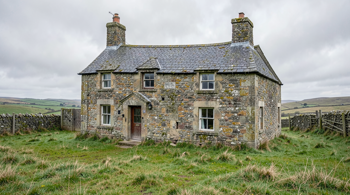
Table 1: Key Focus Areas During Property Inspection
| Inspection Category | Primary Concern |
|---|---|
| Structural | Foundation movement and subsidence |
| Weatherproofing | Water ingress and damp penetration |
| Systems | Electrical, plumbing, and heating viability |
| Legal | Title clarity and planning compliance |
Buyers should also look for documentation regarding previous maintenance or service history, such as electricity disconnection records, which can assist in proving the duration of vacancy for grant applications 19. Engaging a solicitor early is vital to check for burdens on the title, such as rights of way or unresolved probate matters, which are frequent complications with older, vacant stock 20.
Financial Realities and Grant Eligibility
The total investment required for a vacant property often significantly exceeds the initial purchase price, necessitating a budget that accounts for unforeseen structural repairs 21. While government initiatives like the Vacant Property Refurbishment Grant offer financial support for bringing derelict or vacant homes back into residential use, eligibility criteria are strict and subject to approval by the relevant local authority 22. Applicants must provide robust evidence of the property's previous use and duration of vacancy to secure funding, which varies depending on whether the building is classified as vacant or derelict 23.
Conservative financial planning is essential, with industry experts suggesting that buyers should retain at least 20% of their total budget for contingencies beyond their primary renovation estimates 24. This buffer is critical because, as many projects demonstrate, initial assessments of a 'tired' property can evolve into major structural undertakings once stripping-out works reveal the true state of the internal fabric 25.
Legal and Regulatory Compliance
Buying a vacant property requires navigating a complex legal framework to ensure that the vendor has the clear legal authority to transfer the title 26. Issues such as missing original deeds, mapping errors, or complex probate chains can cause significant delays in the conveyancing process 27. Furthermore, if a property is included in the National Inventory of Architectural Heritage, it may be subject to strict limitations on the types of renovations permitted, necessitating specialized conservation advice and potentially extra planning permissions 28.
Prospective purchasers must also confirm the status of essential services, including water supply and wastewater treatment systems, as these are often disconnected or non-compliant in long-vacant dwellings 29. Failure to verify these connections before signing contracts can lead to substantial additional costs and regulatory hurdles during the restoration phase 30.
Risk Mitigation Strategies
To minimize risk, buyers are encouraged to adopt a skeptical approach and view the professional inspection as their primary financial shield against inherited defects 31. Using the findings of a detailed building survey as a negotiation tool can provide leverage, potentially allowing for price adjustments if significant structural repairs are identified 32. Ultimately, successful acquisition relies on balancing the desire for restoration with a cold, data-driven assessment of total investment versus potential long-term value 33.
Sources
- Central Statistics Office: Vacant Dwellings and Holiday Homes in Census 2022.
- Central Statistics Office, CSO.ie.
- FindQo.ie: Vacant Homes in Ireland Hidden Opportunity.
- Anthony Joyce & Co Solicitors: Buying A Vacant Property In Ireland Legal Checks.
- Central Statistics Office (Regional Vacancy Data).
- Department of Housing, Local Government and Heritage.
- Daft.ie / MyHome.ie market listings.
- Vacant Homes Ireland, VacantHomes.ie.
- ePlanning Ireland, ePlanning.ie.
- Summit Group: The Hidden Costs of Buying a Cheap Derelict Property.
- SnagMyHome: What Does a Pre-Purchase House Survey Cover in Ireland.
- SnagMyHome: Pre-Purchase Survey for a Second-Hand House.
- Environmental Protection Agency, EPA.ie.
- General building surveying standards for aging stock.
- SnagMyHome: Pre-Purchase House Survey 2026 Guide.
- Findivo: Top 10 Property Viewing Tips in Ireland.
- Housing News Ireland: House Viewing Checklist for Buyers.
- Property Services Regulatory Authority (Property Price Register).
- Irish Examiner: Home Q&A on Vacant Property Refurbishment Grant.
- Tailte Éireann, Land Registry Information.
- Summit Group, The Hidden Costs of Renovation.
- Irish Examiner, Vacant Property Refurbishment Grant guidelines.
- Citizens Information: Buying a Home in Ireland.
- MyLittleHome: House Viewing Checklist for Buyers in Ireland.
- Summit Group, 2026 Renovation Cost Analysis.
- Anthony Joyce & Co Solicitors, Conveyancing and Title Risks.
- Tailte Éireann, Title and Registration requirements.
- National Inventory of Architectural Heritage (Buildings of Ireland).
- General research on Irish property utilities/sewage.
- Citizens Information, Property Service Regulations.
- SnagMyHome, Pre-Purchase Survey 2026.
- SnagMyHome, Renegotiation Strategies.
- Irish Times, Property Clinic: Managing Risks in Second-Hand Homes.