

Finding rescue dogs for adoption near you: A guide to the process and considerations
This guide examines the process of adopting a rescue dog and the key factors involved in finding a companion through local shelters and organizations. It provides an overview of what to expect during the assessment and placement journey.
Bringing a rescue dog into a household is a significant commitment that involves navigating various shelters, humane societies, and independent rescue organizations. The process of finding a suitable companion often requires patience, research, and an understanding of how animal welfare organizations operate. Prospective adopters typically engage with a network of facilities that prioritize the long-term well-being of the animals in their care.
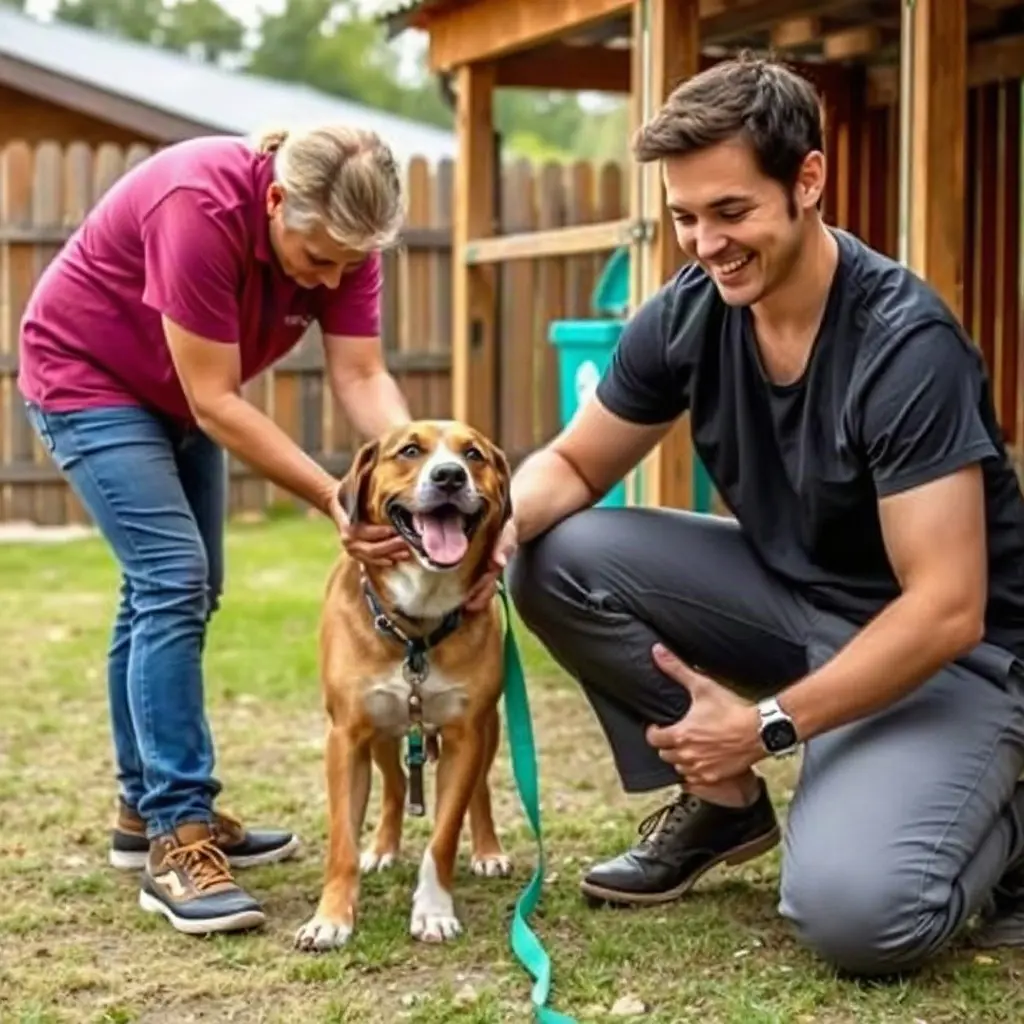
Understanding the Role of Animal Shelters and Rescues
Animal welfare is generally handled by two primary types of entities: municipal animal control facilities and private rescue organizations. Municipal shelters are often government-funded and manage local strays, while private rescues are typically non-profit organizations that focus on specific breeds or animals with particular needs. These organizations work to assess the temperament and health of each dog to match them with a compatible environment.
The administrative procedures for each organization can vary significantly. Some facilities have open-door policies that allow for immediate interaction, while others are foster-based, meaning the animals live in private homes until they are adopted. Engaging with these different models helps potential adopters understand the history and personality of the dog, as foster parents often provide valuable insights into how the animal behaves in a domestic setting.
The Assessment and Compatibility Process
When searching for a rescue dog, organizations usually conduct a series of assessments to ensure a successful placement. This often involves reviewing the lifestyle, activity level, and living situation of the prospective adopter. The goal is to identify a dog whose energy levels and temperament align with the daily routine of the household.
These assessments might include discussions about:
- The daily activity level and exercise capacity of the household.
- The presence of other pets or young children in the home.
- The amount of time the dog will spend alone during the day.
- Previous experience with dog care and training requirements.
Reviewing Health and Behavioral Records
Most reputable organizations provide medical and behavioral documentation for the animals in their care. This information is intended to give a clear picture of what to expect regarding future veterinary care and training needs. Dogs coming from shelters are typically spayed or neutered, vaccinated, and microchipped before being made available for adoption.
Beyond physical health, behavioral evaluations are common. Organizations look for signs of socialization, anxiety, or reactivity to ensure that the transition to a new home is as smooth as possible. If a dog has specific behavioral needs, the rescue may require that the adopter commits to professional training or provides specific environmental accommodations to support the dog's adjustment.
Typical Costs Associated with Adoption
While the concept of adoption is distinct from a commercial transaction, there are standard fees associated with the process. These adoption fees generally range from $150 to $500, depending on the age of the dog, the region, and the organization's operating expenses. These costs typically cover the initial medical procedures, such as vaccinations, deworming, heartworm testing, and sterilization surgeries.
These fees represent only a small portion of the actual cost incurred by the rescue for the animal's care. Many organizations rely on additional donations and volunteer hours to bridge the gap between these fees and the total expenditure required for food, high-quality medical intervention, and behavioral rehabilitation. Understanding these costs helps prospective owners prepare for the financial responsibilities of pet ownership, such as routine veterinary visits, high-quality nutrition, and emergency care.
Navigating Applications and Home Inspections
The application phase is designed to protect the animal and ensure the adoption is sustainable. This process often includes a written application, personal references, and in some cases, a home visit. A home visit does not necessarily imply a formal inspection of tidiness; rather, it serves as a safety check to ensure that the environment is secure for the dog, including considerations like fence integrity and the absence of hazardous materials.
The timeline for these applications can vary based on the volume of requests the organization receives. Because these organizations often rely on volunteer labor, it is common for the review process to take several days or even weeks. Patience during this phase is essential, as the organization's primary mandate is the safety of the animal.
Long-term Commitment and Decompression Periods
Once a rescue dog is brought home, experts often emphasize the importance of the decompression period. This is the time required for the animal to feel secure in a new environment, which can take anywhere from a few days to several months. During this stage, routines are critical for building confidence and reducing the stress that comes from changing environments.
Adopters should be prepared for potential challenges during the initial settling-in phase, such as temporary house-training regressions or anxiety-related behaviors. Consistent, positive reinforcement training is frequently recommended to establish a bond and set clear expectations. Recognizing that a rescue dog may have experienced trauma or instability prior to adoption is helpful in managing expectations and fostering a supportive relationship over the long term.