How dog adoption strengthens family bonds: A Journalistic Analysis of Household Dynamics
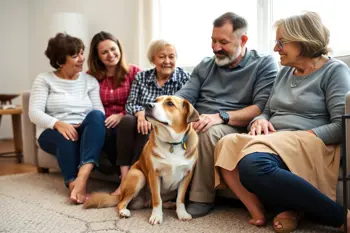
Recent qualitative research into the domestic sphere suggests that many caregivers no longer view their canine companions as mere pets but as integral members of the family who significantly influence emotional and psychological health 1. The sentiment that a dog is something bigger than a domestic animal is increasingly common, reflecting a shift in how families perceive their internal connections and support systems. This evolution from seeing dogs as property to viewing them as family members often transforms the daily routines and emotional landscapes of a household, creating a new focal point for interaction and shared empathy 5.
The Biological Basis of Household Bonding
The strengthening of family bonds through dog adoption is not merely a social phenomenon: it is grounded in significant biological interactions. Research indicates that when humans and dogs interact through mutual gazing, stroking, or play, both parties experience a measurable increase in oxytocin levels 4. This hormone is the same chemical involved in human bonding and trust, frequently observed in the relationship between parents and children. This biological synchrony suggests that the bond formed during the adoption process is deeply rooted in the neurological systems of all family members involved 4.
Furthermore, the presence of a dog has been scientifically linked to lower cortisol levels, which is a primary indicator of stress. By reducing physiological stress markers, a dog creates a calmer domestic environment where family members may find it easier to communicate and connect 4. The reduction of loneliness and the improvement of mood through these chemical changes provide a stable emotional foundation for the entire household, allowing for more positive interpersonal interactions and a decrease in general domestic tension 4.
Shared Responsibility and Coordinated Caregiving
Adopting a dog necessitates a structured daily routine that often requires the cooperation of every household member. Establishing a consistent schedule for feeding, walking, and grooming creates a rhythm that can ground a family, especially during chaotic periods 20. These routines are not merely chores: they serve as daily anchors that encourage family members to step away from technology and engage in shared physical activities, such as walking through the neighborhood or playing in the backyard 13.
The decision-making process involved in pet care also fosters collaborative bonding. Families must often reach a consensus on training methods, medical care, and dietary choices, which can improve overall communication patterns 8. When families manage pet care safely and responsibly, it often reduces the perceived burden of the animal and instead provides a meaningful shared purpose 3. This coordinated effort reinforces a sense of teamwork and collective identity, as the family works together to help a rescue animal adjust to its new environment and build trust over time 12.
Child Development and Social-Emotional Growth
For families with children, the introduction of an adopted dog provides a unique educational opportunity for emotional and social growth. Studies in child development suggest that regular interaction with animals can support empathy, responsibility, and social-emotional intelligence 16. Children who participate in the care of a dog often develop a stronger sense of responsibility as they learn to prioritize the needs of another living being. This experience helps them understand the complexities of caregiving and the importance of consistent, non-judgmental companionship 3.
Additionally, dogs can serve as an emotional buffer for children experiencing stress or anxiety. It has been observed that certain breeds, such as poodles or doodles, are particularly adept at reading human emotions and responding with a calming presence, helping children unwind after school 11. This emotional regulation is a critical component of healthy development, and the presence of a loyal companion can provide a sense of security and belonging that strengthens the child's overall connection to the family unit 12.
Psychological Resilience and Emotional Stability
The emotional benefits of adopting a rescue dog extend to the adult members of the family as well, particularly those facing major life transitions. For instance, in cases of later-life divorce or the loss of a loved one, the human-animal bond can serve as a vital antidote to surging loneliness 15. Dogs provide a sense of daily purpose and loyal companionship that can alleviate the symptoms of depression and social isolation. The non-judgmental nature of a dog allows individuals to express vulnerability and process difficult emotions in a safe, consistent environment 15.
The following table summarizes the key psychological and physical benefits observed in households following dog adoption based on current research data:
| Benefit Category | Observed Impact | Contributing Factor |
|---|---|---|
| Emotional Health | Reduced anxiety and loneliness | Increased oxytocin and lower cortisol 4 |
| Physical Health | Increased daily exercise | Regular walking and play routines 19 |
| Social Interaction | Improved neighborly communication | The dog acts as a social catalyst 13 |
| Family Dynamics | Greater sense of teamwork | Shared caregiving and decision-making 8 |
The Realities of the Adoption Landscape
While the benefits of adoption are significant, families must also consider the statistical and practical realities of the rescue system. Approximately 5.8 million animals enter United States shelters every year, including roughly 2.8 million dogs 9 14. Many of these animals arrive due to stray intakes or owner-related issues such as behavioral problems or changes in family circumstances 14. Understanding that many shelter pets are there due to lack of space or resources rather than health or temperament issues is crucial for families considering this path 9.
The process of integrating a rescue dog into a home requires patience and a trauma-informed approach, as many animals may have experienced neglect or instability 12. Establishing trust during the first 72 hours is critical, often involving the creation of a designated safe space where the animal can decompress without excessive stimulation 7. While the financial aspects of adoption are often lower than purchasing from a breeder, families should be prepared for the ongoing responsibilities of veterinary care, nutrition, and potential training needs to ensure a successful long-term transition into the family unit 9.
Communication and Conflict Resolution in Multi-Pet Homes
In households where multiple dogs are adopted over a short period, the family dynamic undergoes even more complex shifts. The introduction of several animals requires heightened organizational skills and even clearer communication between family members to ensure each pet's needs are met 10. This often leads to improved conflict resolution skills within the family, as members must collaborate to manage the different personalities and medical requirements of their pets. The shared journey of rescuing multiple animals can create a deep, narrative-based bond among family members who view themselves as a united rescue team 11.
Ultimately, the impact of dog adoption on family bonds is a result of both biological changes and the practical necessity of cooperation. Whether it is through the release of bonding hormones or the shared experience of overcoming a rescue dog's behavioral challenges, the presence of a canine companion often serves as a powerful unifying force 6. By providing unconditional affection and requiring consistent care, dogs encourage family members to remain present, empathetic, and connected to one another in their daily lives 16.
Sources
- MDPI - A Qualitative Study on Dog Ownership and Emotional Well-Being
- Guideposts - How a Dad and His Dogs Show Kids the True Meaning of Family
- The Economic Times - Psychology of raising dog with child
- Psychology Today - Who Rescued Whom?
- SPCA Albrecht Center - More than pets: dogs are part of the family
- Save A Doggo - The Emotional Benefits of Adopting a Rescue Dog
- Rescue Dog Behavior - Strengthening Your Bond with a New Rescue Dog
- The Farmer's Dog - Household Agreement Before Bringing a Dog Home
- DogMom.com - 11 Benefits of Adopting a Rescue Dog
- Yahoo Lifestyle - My kids wanted a dog, but I didn't
- The Nation Times - Mother Who Didn’t Want a Dog Adopts 4 Within 18 Months
- ADRTC - Rescue Dog Success Stories
- Pet Educate - The Benefits of Pet Adoption
- Doggodigest - The Power of Adoption
- Psychology Today - Being a Dog Parent Can Boost Happiness After Gray Divorce
- The Epoch Times - Faithful Companionship: The Case for Having a Dog
- Paws Are Good - Why Choosing Rescue Is Always Worth It
- Gladney Center for Adoption - Family Systems Therapy
- ADRTC - The Life-Changing Benefits of Adopting a Rescue Dog
- Animal Hearted Apparel - How Adopting a Pet Can Bring Meaning and Balance
- The Maltese Homestead - How to Bond With Your Dog
- American Kennel Club - Benefits of Dogs for Families