Top Blurry Vision Causes: Understanding Why Your Sight is Impaired
Facts:
- Over 2.2 billion people have a near or distance vision impairment.
- Digital eye strain is a rising trend for people experiencing vision problems.
Decoding the Signals: Why Your World is Out of Focus
Experiencing blurry vision can be unsettling, turning clear, sharp images into a hazy and indistinct landscape. This common complaint is not a disease in itself but a symptom that points towards various potential issues, ranging from minor and easily correctable problems to serious medical emergencies. Understanding the primary causes of blurry vision is the first step toward seeking appropriate care and protecting your eyesight. Whether the blurriness develops gradually over years or appears as a case of sudden blurry vision, it's a signal from your body that warrants attention. Ignoring these signs can lead to worsening impaired vision and, in some cases, permanent damage.
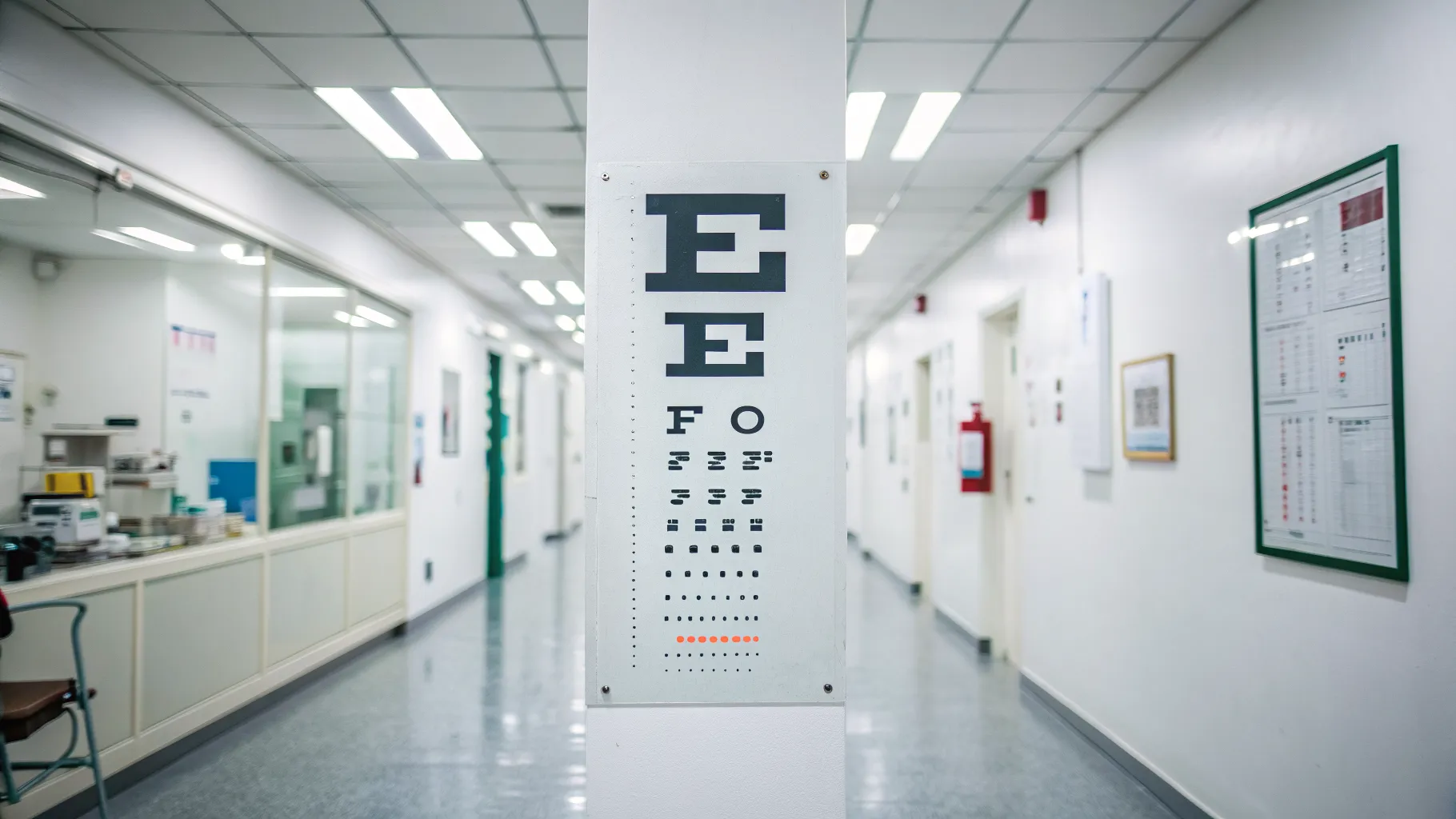
Common Refractive Errors Leading to Blurry Vision
The most frequent causes of blurry vision are refractive errors, which occur when the shape of your eye prevents light from focusing directly on the retina. These are not diseases but rather imperfections in the eye's anatomy that lead to impaired vision. Fortunately, these conditions are typically easy to diagnose during a routine eye exam and can be corrected with eyeglasses, contact lenses, or refractive surgery. The four primary refractive errors include Myopia (nearsightedness), where distant objects appear blurry; Hyperopia (farsightedness), causing nearby objects to be out of focus; Astigmatism, which results in distorted or blurry vision at all distances due to an irregular cornea shape; and Presbyopia, an age-related condition that affects near vision, making tasks like reading difficult without assistance. Each of these can contribute significantly to daily vision problems.
Underlying Medical Conditions and Vision Problems
While refractive errors are common, persistent or sudden blurry vision can be an indicator of a more serious underlying health condition that requires medical intervention. These systemic vision problems often develop gradually and may be accompanied by other symptoms. For instance, cataracts cause the eye's natural lens to become cloudy, leading to progressive blurry vision that can feel like looking through a foggy window. Glaucoma, often called the 'silent thief of sight,' damages the optic nerve and can cause peripheral vision loss that may not be noticed until the condition is advanced. Another significant cause is Diabetic Retinopathy, a complication of diabetes where high blood sugar levels damage the blood vessels in the retina. Similarly, Age-Related Macular Degeneration (AMD) affects central vision, making it difficult to see fine details. Identifying these medical causes of blurry vision early is critical for treatment and preserving sight.
When Sudden Blurry Vision Signals an Emergency
A gradual change in sight is one thing, but experiencing sudden blurry vision can be a sign of a medical emergency that requires immediate attention. This is not a symptom to be taken lightly, as it could indicate a serious event such as a stroke. When a stroke affects the parts of the brain responsible for vision, it can cause an abrupt onset of impaired vision, often in both eyes. Another critical condition is retinal detachment, where the retina pulls away from its normal position, which can lead to permanent vision loss if not treated quickly. An acute angle-closure glaucoma attack is another emergency where a sudden blockage of fluid drainage causes a rapid spike in eye pressure, resulting in severe pain, nausea, and sudden blurry vision. If you experience any of these symptoms, especially with other neurological signs, seek emergency medical care without delay.
Lifestyle and Environmental Factors Affecting Visual Acuity
Not all causes of blurry vision are linked to permanent conditions or emergencies. Sometimes, our daily habits and environment are the culprits. Digital eye strain, or computer vision syndrome, is a prime example, causing temporary blurry vision after prolonged use of screens due to reduced blinking and constant focusing. General fatigue and lack of sleep can also affect the muscles that control your eyes, leading to temporary vision problems. Dry eye syndrome, where the eyes don't produce enough quality tears, can cause vision to fluctuate and blur. Furthermore, improper use or overwearing of contact lenses can lead to corneal infections or inflammation, resulting in discomfort and impaired vision. Recognizing these factors can often lead to simple solutions, like taking screen breaks or using lubricating eye drops.
Actionable Steps for Managing and Preventing Blurry Vision
While not all vision problems are preventable, proactive steps can help maintain eye health and clarity. Taking charge of your visual well-being is essential for your overall quality of life.
- Schedule Regular Comprehensive Eye Exams: Annual check-ups are the best way to detect and address the causes of blurry vision early, from refractive errors to serious diseases like glaucoma.
- Manage Chronic Health Conditions: If you have diabetes, high blood pressure, or other systemic diseases, controlling them effectively with your doctor's guidance is crucial to prevent related vision problems.
- Practice the 20-20-20 Rule: When using digital screens, take a 20-second break every 20 minutes to look at something 20 feet away. This helps reduce digital eye strain, a common cause of temporary blurry vision.
- Wear Protective Eyewear: Protect your eyes from UV radiation by wearing sunglasses and from physical injury by using safety glasses during hazardous activities. This can prevent conditions like cataracts and traumatic eye injuries.
- Eat a Healthy Diet: A diet rich in leafy greens, fish high in omega-3 fatty acids, and vitamins C and E supports overall eye health and can help prevent age-related impaired vision.
Frequently Asked Questions
Can stress cause blurry vision?
Yes, high levels of stress and anxiety can lead to temporary blurry vision. Stress can cause your pupils to dilate and may lead to tension in the eye muscles, which can affect your ability to focus properly. While typically not a sign of a permanent issue, it's one of the more surprising causes of blurry vision related to mental well-being.
Is blurry vision in one eye more serious?
Experiencing sudden blurry vision in just one eye can be particularly concerning and should be evaluated by a professional immediately. While it could be something as simple as a refractive error being more pronounced in that eye, it can also signal serious issues like retinal detachment, optic neuritis, or a mini-stroke (TIA), making it a critical symptom to address.
When should I see a doctor for my vision problems?
You should see a doctor if your blurry vision persists, worsens, or is accompanied by other symptoms like eye pain, floaters, flashes of light, double vision, or a severe headache. Any instance of sudden blurry vision is considered a potential emergency and requires immediate medical consultation to rule out severe underlying conditions.
References
- American Academy of Ophthalmology
- National Eye Institute (NEI)
- World Health Organization (WHO) - Vision Impairment and Blindness Report
- The Glaucoma Research Foundation