Understanding Cape Verde All Inclusive Hotels and Resorts
Cape Verde has emerged as a premier destination for travelers seeking comprehensive and relaxing getaway experiences. The archipelago offers a fascinating blend of African, Portuguese, and Brazilian cultural influences, which naturally extends into its hospitality sector.
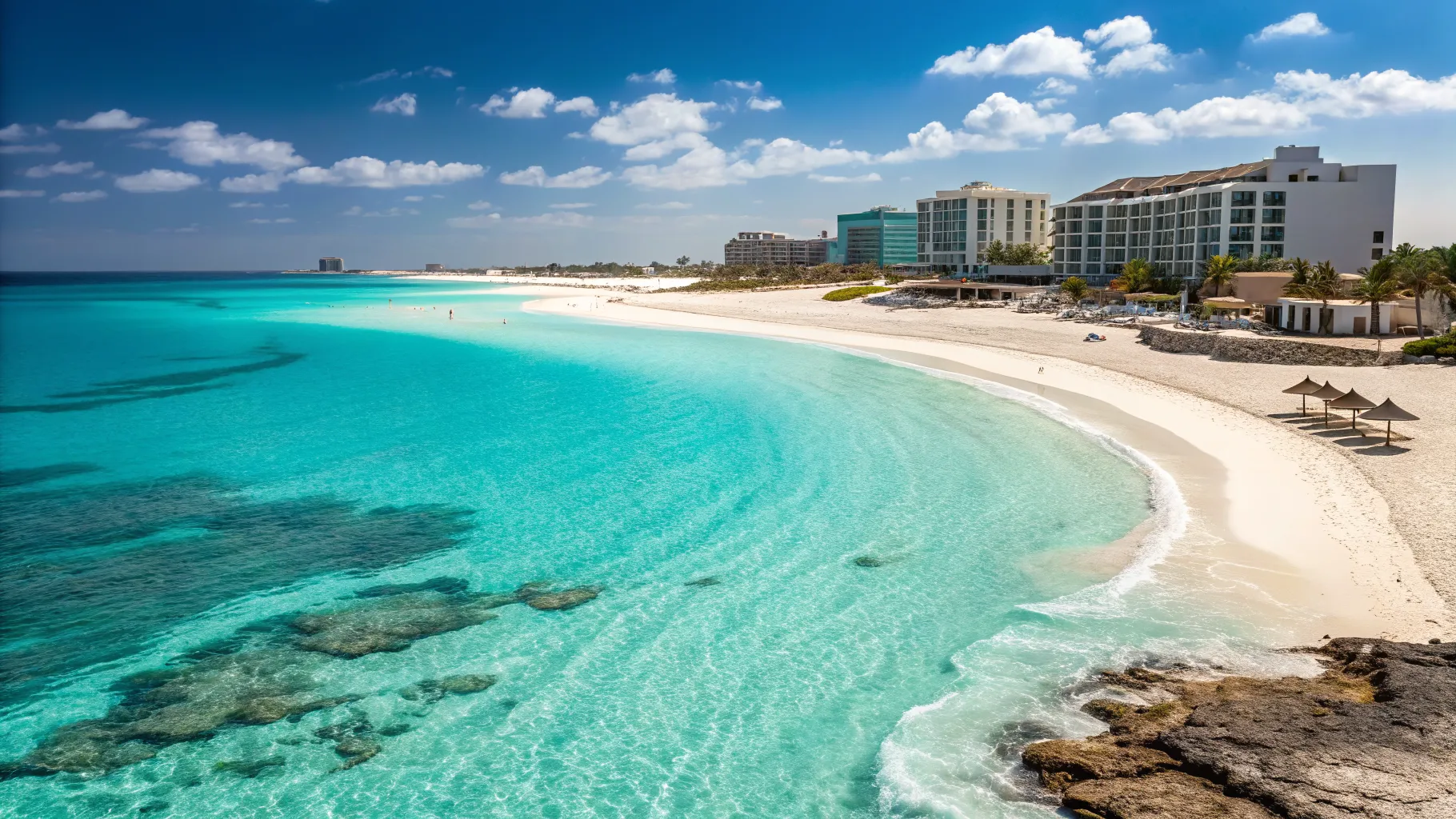
Understanding the All Inclusive Experience in Cape Verde
Many visitors choose all inclusive packages to simplify their travel logistics while enjoying the consistent sunshine that the region provides. These packages typically cover daily meals, local alcoholic and non-alcoholic beverages, and a variety of on-site activities. This structure allows guests to manage their vacation budgets effectively without worrying about daily dining expenses.
While some resorts focus heavily on family-friendly environments featuring dedicated animation teams and kids clubs, others cater strictly to adults seeking tranquility and quiet relaxation. Knowing the distinction between these property styles helps travelers align their personal expectations with the right type of accommodation for their trip.
Popular Islands for Resort Stays
Sal and Boa Vista are the primary hubs for large scale hospitality developments in Cape Verde. Sal is known for its stark, lunar landscapes and the bustling town of Santa Maria, which is surrounded by numerous sprawling resort complexes. This island is highly favored by water sports enthusiasts due to its reliable wind conditions and accessible beaches.
Boa Vista offers a slightly different atmosphere with its massive sand dunes and expansive, untouched coastlines. The resorts here tend to be spread further apart, providing a distinct sense of isolation and natural beauty. Both islands feature international airports, making them easily accessible for international arrivals flying in from major European hubs.
What to Expect from Accommodation Standards
The infrastructure within Cape Verdean resorts is generally modern, with many properties having been built over the last two decades by major European hotel chains. Room categories usually range from standard double rooms to spacious family suites and occasionally private villas. Standard amenities often include air conditioning, private balconies, and en suite bathrooms.
It is worth noting that while many properties advertise a five star rating, the local grading system might differ slightly from North American or Western European standards. A five star resort in Cape Verde typically provides excellent service, large swimming pools, and clean facilities, but it may lack some of the ultra luxury personalized touches found in other global high end destinations.
Dining and Cuisine at Local Resorts
Culinary offerings at all inclusive properties are predominantly buffet style, featuring international crowd pleasers alongside local regional specialties. Breakfasts usually consist of continental and cooked options, while lunches and dinners offer varied themes to prevent menu fatigue during longer stays. Fresh seafood is a common staple, given the oceanic location of the country.
Guests will often find a selection of a la carte restaurants located within the larger resort complexes. These specialty venues might require advance reservations and, in some cases, carry a supplemental charge outside the standard all inclusive rate. Typical themes for these specialty dining rooms include Italian, Asian fusion, and traditional Cape Verdean cuisine.
Activities and Entertainment Offerings
Entertainment is a major cornerstone of the resort model in this region. Daily organized programs usually include fitness classes, water aerobics, beach volleyball, and local dance lessons. The energetic animation teams work diligently to engage guests, though participation is entirely optional for those who prefer to simply lounge by the pool with a good book.
Evening entertainment shifts toward live acoustic music, cultural dance performances, and theatrical shows staged in the resort amphitheaters. Beyond the hotel boundaries, many properties facilitate external excursions. These include island tours, catamaran cruises, and guided trips to observe local wildlife, such as loggerhead turtles during their nesting season.
Best Times to Plan a Resort Visit
Cape Verde boasts a tropical desert climate, meaning it remains warm and relatively dry throughout the entire year. Average temperatures hover around the mid twenties Celsius, making it a highly reliable destination for winter sun seekers escaping colder climates. The peak tourist season generally runs from November through April.
The summer months bring slightly higher humidity and a very short rainy season, typically occurring between August and October. Even during this period, rainfall is minimal and usually consists of brief showers rather than prolonged disruptive storms. Travelers visiting during the summer often find quieter resorts and slightly different atmospheric conditions.
Important Considerations Before Booking
While the all inclusive model provides tremendous convenience, visitors should remain aware of certain local practicalities. For instance, tap water in the islands is desalinated and generally safe for washing, but drinking bottled water is highly recommended to avoid any mild stomach upsets. Most all inclusive resorts supply ample bottled water as part of their standard packages.
Another crucial aspect is understanding the local wind conditions. The trade winds blow consistently from November to March, which is perfect for kite surfing but might make the beach feel cooler in the early evenings. Packing light layers for nighttime strolls around the resort is a practical step for ensuring maximum comfort during a stay.