Deep Cleaning Kitchen Areas Guide for a Sparkling Space
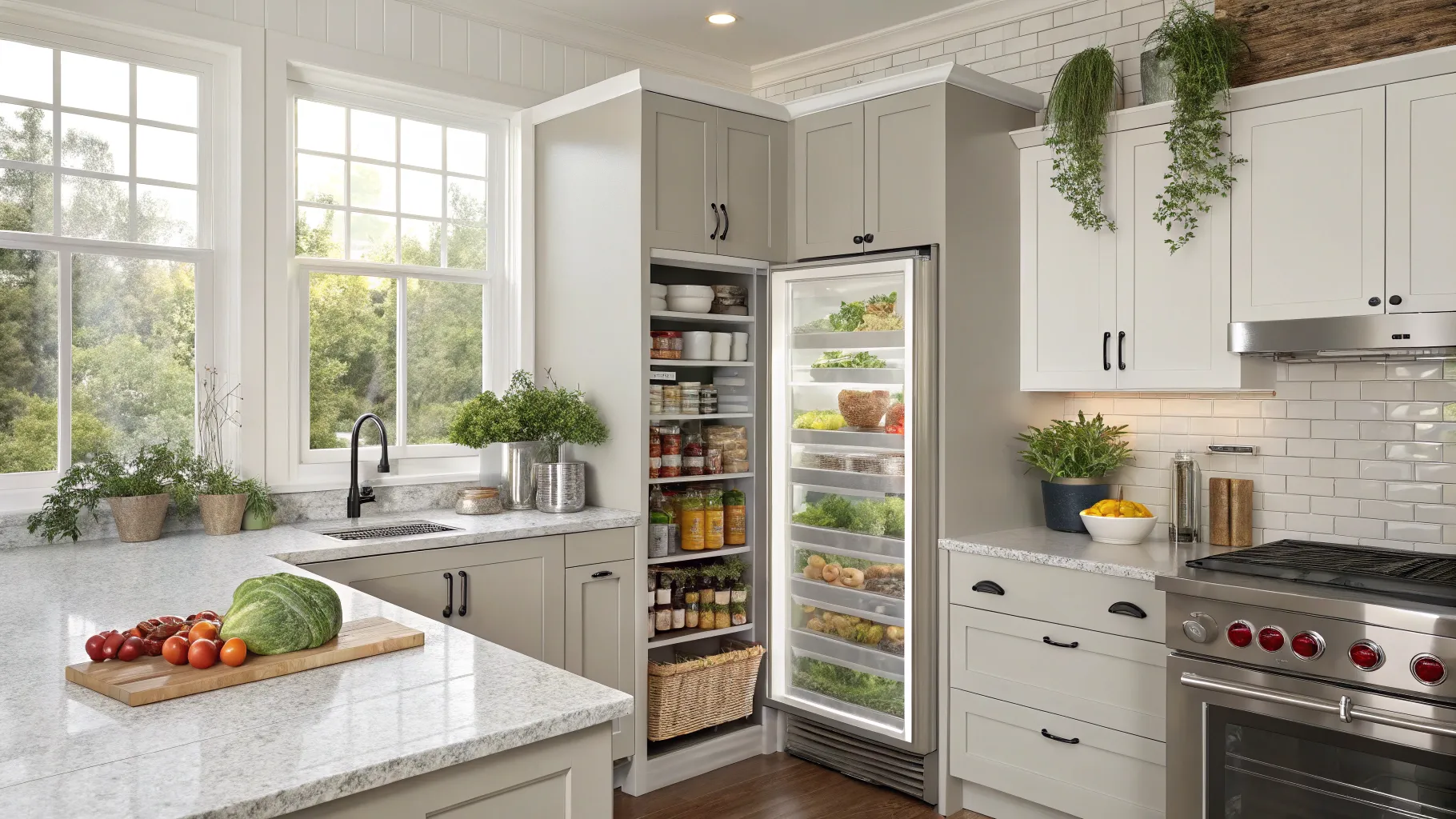
Understanding the Importance of Deep Cleaning Kitchen Areas
As 2025 unfolds, the significance of maintaining a clean kitchen has never been more apparent. Kitchens are the heart and soul of our homes, where families gather to create cherished memories while preparing delicious meals. This central hub requires not just regular cleaning but also deep cleaning to fully ensure that the environment remains hygienic and safe. With the heightened awareness of health risks due to foodborne illnesses and the essential role of bacteria, deep cleaning kitchen areas has become a vital part of household maintenance.
Regular cleaning helps keep visible messes at bay, but it’s the deep cleaning that truly eradicates harmful germs and stubborn grime. By focusing on a systematic approach, we can tackle every corner of the kitchen, ensuring a space that is not only clean but also pleasant to work in.
Step-by-Step Kitchen Deep Clean
A thorough deep cleaning of your kitchen should ideally happen at least twice a year, but this may vary depending on how often you cook and how messy your kitchen can get. Below is a detailed, step-by-step guide to achieving a kitchen that sparkles and shines.
- Gather Your Supplies: Preparing in advance will make deep cleaning more efficient. Here’s what you’ll need:
- All-purpose cleaner
- Disinfectant wipes
- Baking soda and vinegar for natural cleaning
- High-quality microfiber cloths
- Scrub brushes for tough stains
- Trash bags for decluttering
- Declutter: Before you begin, clear all items from your countertops, tables, and other surfaces. Take this opportunity to sort through your kitchenware, tossing out expired products and organizing what remains.
- Surface Cleaning Techniques: Make your kitchen shine by focusing first on surfaces that trap grease and food particles. An all-purpose cleaner or a mixture of vinegar and water works well against tough stains. Don’t forget to wipe down your stovetop and backsplashes.
- Cabinet Deep Clean: Start from the top cabinets, moving downward to prevent dirt from falling on areas you've already cleaned. Pay extra attention to knobs and corners where grime tends to accumulate.
- Kitchen Appliance Cleaning Practices: Your appliances bear the brunt of kitchen messes. For instance, microwave cleaning can be simplified by heating a bowl of water with lemon slices for a few minutes, then just wipe it clean. Additionally, use specialized cleaners for ovens while ensuring good ventilation.
- Sink and Faucet Care: Scrub your sink using a disinfectant cleaner and tackle mineral buildups on your faucet with baking soda and vinegar for an extra shine.
- Floor Cleaning: Once surfaces are clean, focus on the floors. Sweep thoroughly and mop using a suitable cleaner to lift grim and dust.
- Final Touches: Replace items neatly on countertops, striving for an organized space. Consider adding fresh towels and perhaps a plant for a touch of color and freshness.
With advancements in technology in 2025, consider incorporating robotic mops or smart cleaning devices which can significantly reduce your effort and cleaning time, allowing you to maintain a cleaner space effortlessly.
Home Kitchen Sanitation Methods
In today’s health-conscious world, effective sanitation methods in the kitchen are essential not only for cleanliness but also for minimizing foodborne illnesses. Recent studies highlight that kitchens utilizing these sanitation methods reported a 45% decrease in foodborne illness cases, stressing the importance and effectiveness of proper sanitation practices. So what methods are trending in 2025?
- Frequent Disinfection: Floors, countertops, and high-touch areas such as door handles and light switches should be disinfected regularly. Opt for EPA-approved disinfectants known for their effectiveness against a wide range of pathogens.
- Temperature Control: Keeping food at safe temperatures is vital, with refrigeration maintained below 40°F and hot foods above 140°F. Also, remember to sanitize surfaces when switching between different food types, especially when handling raw meat.
- Hand Hygiene: Encourage all family members to wash their hands thoroughly before and after food handling. The CDC suggests washing for at least 20 seconds to ensure harmful bacteria are eliminated.
- Waste Management: Implement a designated compost bin for food scraps, promoting a way to contribute to gardening efforts. Frequency is key, so ensure trash is regularly taken out to eliminate odors and prevent pest attraction.
To further enhance your routine, consider eco-friendly cleaning alternatives. As society becomes more conscious of environmental footprints, many consumers in 2025 turn to sustainable products that are safe for both their families and the planet. This switch not only helps in maintaining cleanliness but also plays a vital role in protecting our environment.
In conclusion, maintaining an immaculate kitchen goes beyond mere appearances—it's crucial for your family's health and safety. By adhering to these deep cleaning techniques and sanitation methods, you create not only a visually pleasing cooking environment but also promote overall well-being and a healthier lifestyle for everyone in your home.
As you think about your next kitchen cleaning session, remember: deep cleaning is an investment in your home and your health. Embrace these practices as part of your routine, and enjoy the benefits of a clean and safe kitchen.