Early Signs of High Blood Pressure Symptoms to Watch For
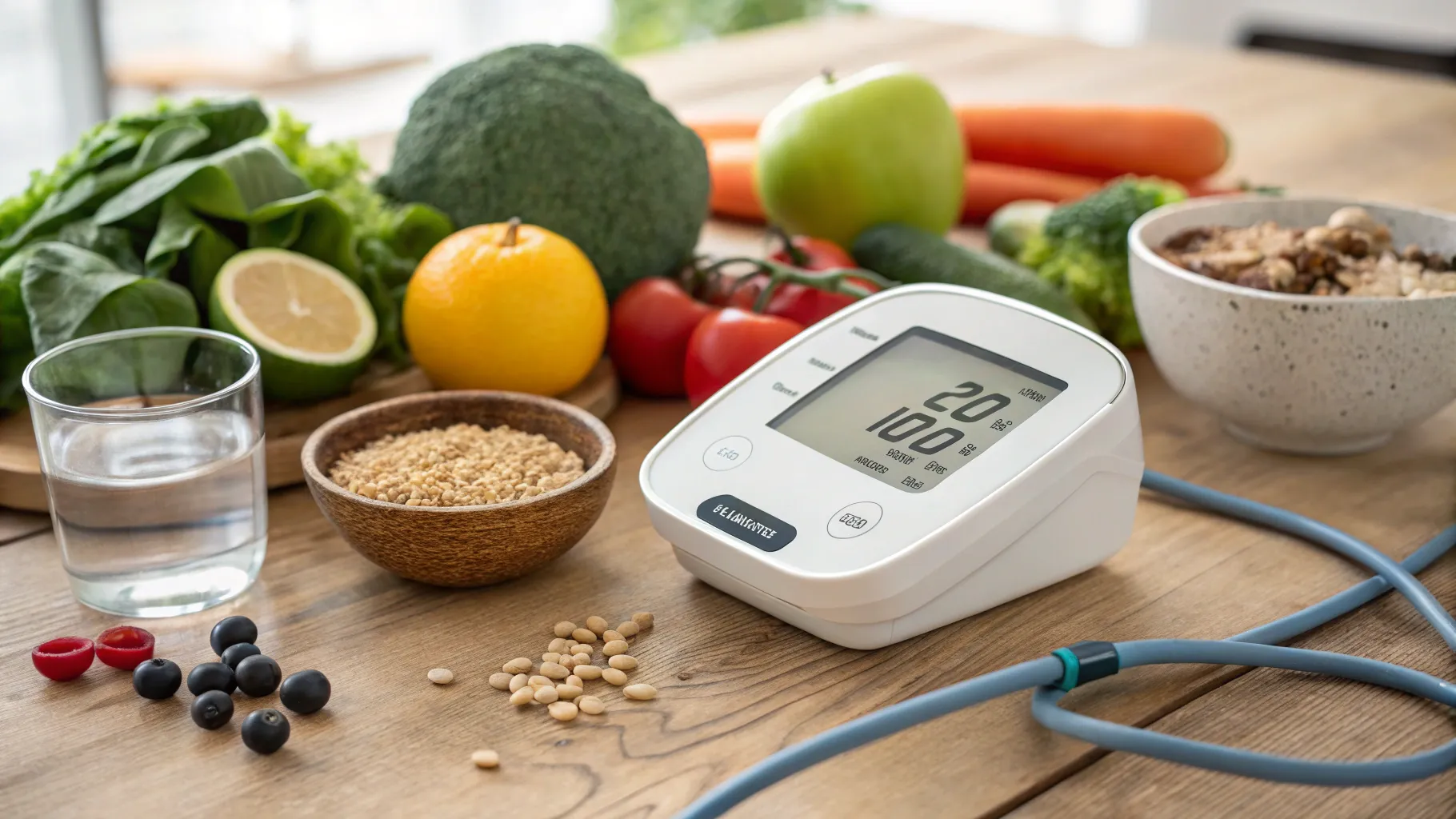
Recognizing the Early Signs of High Blood Pressure
High blood pressure, often called hypertension, is frequently termed the "silent killer". This is due to its tendency to show no clear symptoms until significant damage has occurred. Today, in 2025, with evolving healthcare practices and technology, recognizing the early signs of hypertension is incredibly crucial. Monitoring your blood pressure regularly can catch any problems early, greatly aiding in effective management and treatment.
Common High Blood Pressure Signs
Many individuals living with high blood pressure often remain unaware of their condition. This lack of awareness can lead to serious health consequences. Here are several symptoms that could signal potential hypertension:
- Dizziness: Individuals with elevated blood pressure might experience dizziness or lightheadedness, particularly when standing up quickly from a seated or lying position. This sensation can feel like the ground is spinning, and it’s often accompanied by a sense of unsteadiness.
- Frequent Headaches: While headaches can arise from various causes, recurring, severe headaches may indicate dangerously high blood pressure levels. These headaches typically do not respond well to standard pain relief medications.
- Vision Problems: Hypertension can affect eyesight as well. Those affected may experience blurred vision or see spots, which are indicators that blood vessels in the eyes have been damaged by high blood pressure.
- Nosebleeds: Although anyone can experience a nosebleed, frequent episodes could signal fluctuating blood pressure. This symptom is particularly alarming if it occurs regularly and without obvious triggers.
- Chest Pain: Pain or discomfort in the chest is one of the most concerning symptoms. Anyone experiencing chest pain must take it seriously, as it may suggest heart-related complications associated with hypertension.
- Fatigue: Feeling unusually tired, even after a restful night’s sleep, could indicate an underlying health issue like high blood pressure. This symptom is often overlooked but can be significant.
The Importance of Monitoring Your Blood Pressure
With recent studies showing nearly 50% of adults in the United States suffering from hypertension, consistent blood pressure monitoring is essential. The Centers for Disease Control and Prevention (CDC) reported that many individuals are unaware of their condition and thus do not take the necessary steps to prevent serious health consequences. In the last six months alone, a compelling number of cases have emerged where early diagnosis averted severe complications such as stroke or heart attack.
Early detection through regular monitoring can significantly lower the risks of debilitating health issues. By keeping track of your blood pressure, you can become aware of any changes over time, ensuring that your levels remain within a healthy range. If needed, lifestyle adjustments and consultation with healthcare professionals can reduce the likelihood of severe health complications.
The Role of Lifestyle in Managing Hypertension
Adopting healthier lifestyle choices can make a profound difference in managing hypertension and maintaining overall health. Here are some effective strategies:
- Healthy Diet: A diet rich in fruits, vegetables, and whole grains—while being low in sodium—can help control blood pressure levels. The DASH (Dietary Approaches to Stop Hypertension) diet is particularly effective and encourages the consumption of essential nutrients that can promote heart health.
- Regular Exercise: Engaging in physical activity is vital for maintaining a healthy heart. Aim for 150 minutes of moderate aerobic exercise weekly, such as brisk walking or cycling, to help lower blood pressure.
- Weight Management: If you carry excess weight, even a modest weight loss can aid in reducing hypertension. Managing your body weight through a balanced diet and regular exercise can lead to remarkable improvements in blood pressure.
- Avoiding Tobacco and Alcohol: Both smoking and excessive alcohol intake can lead to higher blood pressure levels. Quitting smoking and moderating alcohol consumption can significantly reduce your health risks and improve your overall well-being.
By incorporating these strategies, you can work toward effective hypertension management while enhancing your quality of life.
Innovations in Blood Pressure Monitoring
In 2025, technological advancements are transforming how hypertension is managed. With innovative smart devices, monitoring blood pressure has never been easier. Many modern wireless blood pressure monitors synchronize with smartphones, offering users personalized insights and performance trends. This technology encourages proactive health management, allowing you to stay informed about your blood pressure and take necessary action when needed.
Recognizing Signs and Taking Action
Identifying the signs of hypertension early can have a major impact on your health journey. If you experience any of the symptoms discussed, it’s essential to take action promptly:
- Get Tested: Regular blood pressure checks are key. Relying only on the presence of symptoms can be deceptive, as many people have elevated blood pressure without noticeable symptoms.
- Consult a Healthcare Professional: If you suspect you have high blood pressure, reaching out to a healthcare provider for a professional assessment is crucial. They can recommend appropriate treatments tailored to your individual health needs.
- Implement Changes: If diagnosed with hypertension, take immediate steps to modify your lifestyle to help lower your blood pressure. A combination of medication (if prescribed) and lifestyle adjustments often leads to optimal health outcomes.
Being proactive about hypertension management not only enhances the quality of your life but can also prevent further health complications. By staying vigilant about symptoms and seeking help when necessary, individuals can significantly lower their risks and enjoy a healthier future.