Early Signs of Liver Disease Recognize Liver Problems Fast
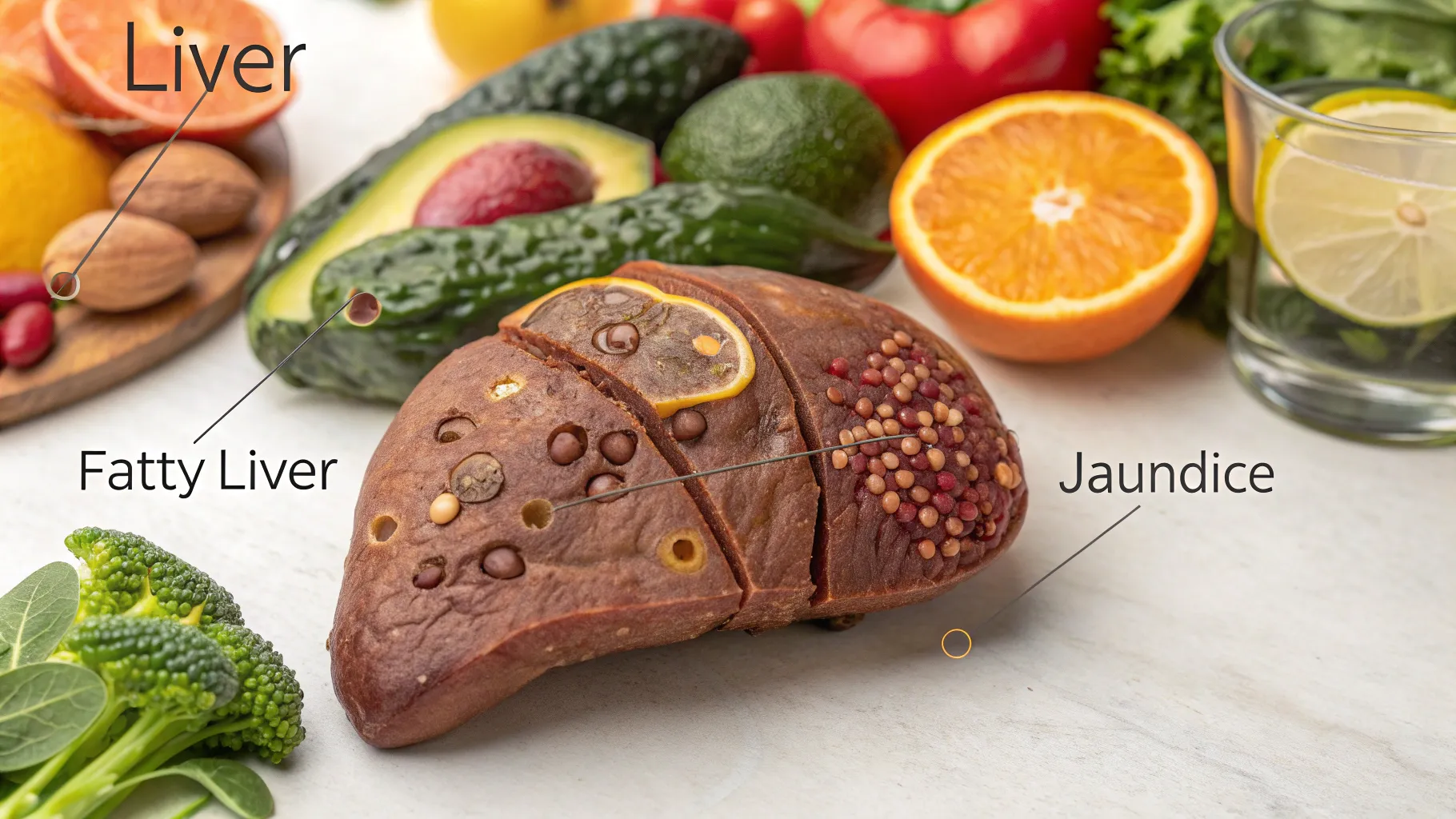
Understanding the Early Signs of Liver Disease
The liver is a vital organ that plays a crucial role in maintaining overall health. Its functions range from detoxifying harmful substances to aiding in digestion and producing essential proteins. However, liver disease has become a pressing health issue worldwide, affecting millions of individuals. In this article, we will explore the early signs of liver disease, emphasizing liver disease signs, liver problems symptoms, fatty liver signs, jaundice early signs, and liver dysfunction.
Recognizing Liver Disease Signs
Detecting liver disease early is crucial for effective treatment and prevention of further complications. Many people may overlook initial symptoms as they can be vague and easily attributed to other health issues. For instance, tiredness and fatigue are common complaints; however, they can signal underlying liver dysfunction.
- Fatigue and Weakness: One of the earliest signs of liver disease is persistent fatigue. This could be due to the liver not efficiently processing nutrients.
- Loss of Appetite: A noticeable decrease in appetite or sudden weight loss can be significant indicators of liver problems.
- Nausea and Vomiting: Frequent nausea or vomiting can also indicate liver dysfunction, especially if persistent over time.
Furthermore, it’s important to note that liver disease can lead to more pronounced symptoms as it progresses. For example, chronic liver conditions can result in noticeable weight loss, unexplained bruising, and swelling in the abdomen or legs due to fluid retention.
Fatty Liver Disease Signs
Fatty liver disease, including alcoholic and non-alcoholic varieties, is one of the most common liver issues affecting people today. Statistics from recent studies indicate that approximately 25% of adults worldwide suffer from non-alcoholic fatty liver disease (NAFLD), a condition heavily linked to obesity and metabolic syndrome. Recognizing early markers of fatty liver is crucial for reversing its effects.
- Abdominal Discomfort: Individuals might experience discomfort or a sense of fullness in the upper abdomen, potentially signaling increased fat in the liver.
- Enlargement of the Liver: Doctors often identify fatty liver through imaging tests that reveal liver enlargement or fatty infiltrate.
- Elevated Liver Enzymes: Blood tests may show elevated liver enzyme levels, indicating inflammation or liver cell damage.
Fatty liver disease, if left untreated, can progress to more severe forms of liver disease, including cirrhosis and liver cancer. Hence, acting upon detecting these signs promptly is invaluable for better health outcomes.
Jaundice: An Early Indicator
Jaundice is one of the more recognizable signs of liver disease and is characterized by a yellowing of the skin and the whites of the eyes. While it is particularly alarming for patients, it often signifies a deeper liver dysfunction. Jaundice happens when the liver cannot process bilirubin efficiently—a bile pigment produced during the breakdown of red blood cells. Elevated bilirubin levels lead to characteristic yellowing.
- Pale Stools: Individuals with jaundice may notice unusually pale or clay-colored stools, indicating impaired bile flow.
- Dark Urine: Darkly colored urine can also accompany jaundice, caused by excess bilirubin being excreted through urine instead of the stool.
- Itchy Skin: Increased bile salts in the bloodstream can lead to itchy skin, often exacerbating discomfort.
Recognizing jaundice early provides a critical opportunity to seek medical advice and potentially reverse liver damage by addressing the underlying cause.
Advancing Liver Dysfunction
Liver dysfunction can progress gradually, presenting symptoms that can be mistaken for less serious conditions. Early diagnosis is vital as liver disease can be asymptomatic at first. Here are some signs to be aware of:
- Confusion and Cognitive Changes: Patients may experience mental confusion, memory problems, or changes in consciousness, which can indicate hepatic encephalopathy.
- Swelling: Peripheral edema, or swelling in the legs and feet, may occur as the liver fails to produce adequate amounts of albumin, a protein that helps maintain fluid balance.
- Gynecomastia: Conditions like liver cirrhosis can lead to hormonal imbalances, causing gynecomastia, or the enlargement of male breast tissue.
Staying informed about these symptoms is essential, especially since many factors can influence liver health, including diet, alcohol consumption, and lifestyle choices. Regular health check-ups and screenings are recommended, particularly for individuals at higher risk of liver problems, such as those over 50 or with a history of liver disease in the family.
The Impact of Lifestyle on Liver Health
The significance of lifestyle choices in promoting liver health cannot be overstated. Factors such as excessive alcohol consumption, obesity, and a sedentary lifestyle increase the risk of developing liver disease dramatically. As research continues to evolve, it becomes clearer that maintaining a balanced diet rich in fruits, vegetables, and whole grains while limiting processed foods and sugars can significantly protect liver function.
Moreover, including regular physical activity not only helps in weight management but also enhances overall metabolic function, reducing liver fat deposits. Engaging in moderate exercise or movement most days of the week is advocated by health professionals.
With the prevalence of liver diseases continuing to rise, awareness and education about the early signs of liver dysfunction remain critical. By familiarizing ourselves with the symptoms and improving lifestyle choices, we can actively participate in maintaining liver health and preventing potential complications.