Early Signs of Vision Problems and Symptoms in Adults
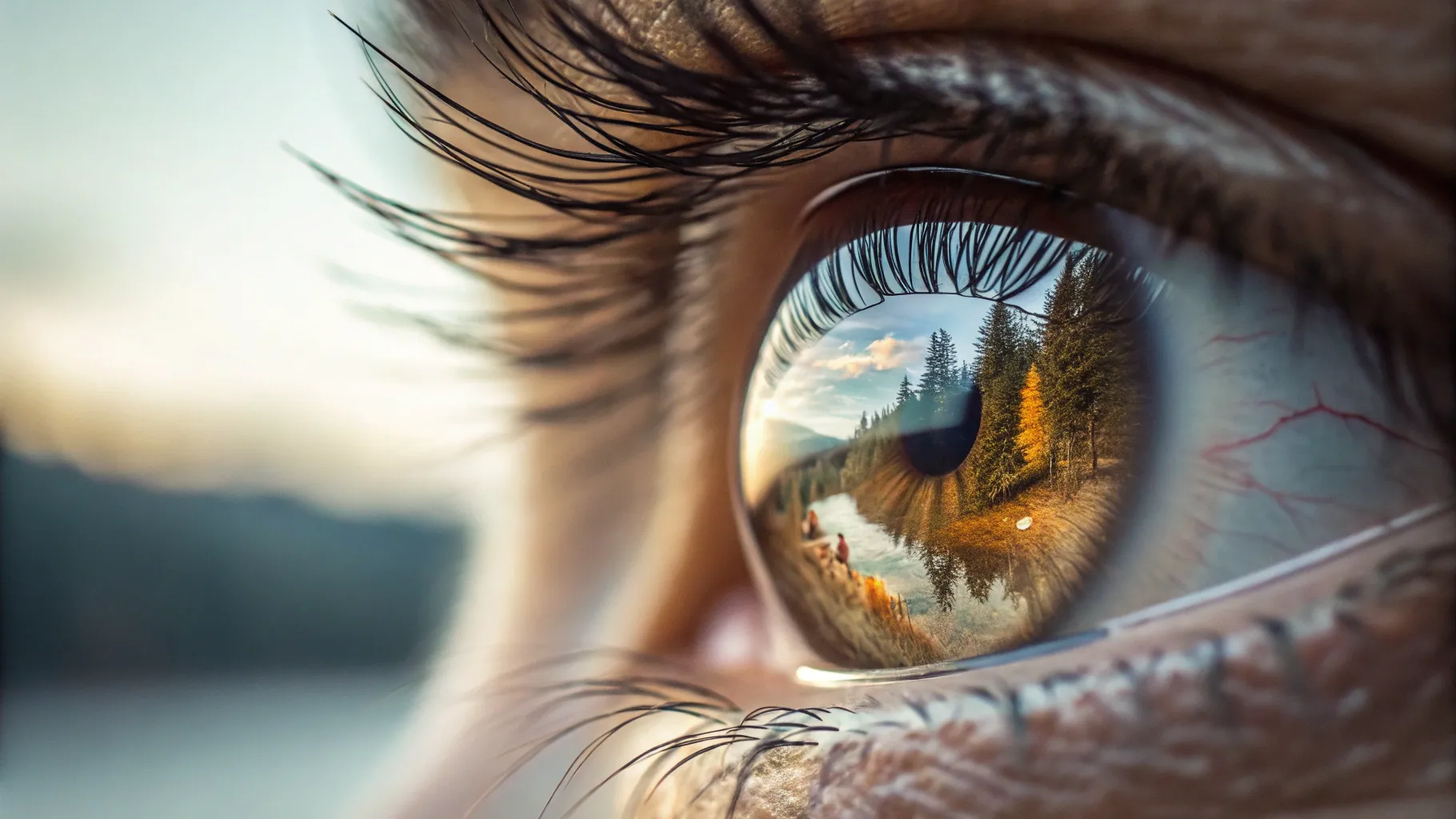
Identifying Early Signs of Vision Problems in Adults
As we navigate through life, it's vital to pay attention to our health, especially our sight which we often take for granted. With the clock ticking towards 2025, recent statistics indicate an alarming trend: more than 50% of adults, particularly those over 50, are facing some form of vision problem. Acknowledging early signs of vision problems is a crucial step that can help us address potential threats to our eyesight before they escalate into serious issues. This article delves into common signs of vision troubles among adults, highlighting symptoms such as blurred vision, eye strain, and difficulties with focusing.
Common Symptoms of Vision Problems
As adults inch closer to their 40s and beyond, they may begin to notice subtle yet persistent signs indicating possible vision issues. It's essential to understand these symptoms, as early intervention often leads to better outcomes. Here are some frequently reported signs:
- Blurred Vision - A prevalent symptom, blurred vision can be intermittent or chronic, affecting daily activities like reading or driving. Recent findings show that nearly 30% of adults aged 45 and older are grappling with blurred vision regularly. This symptom can range from mild to severe and may signify underlying eye conditions that require professional attention.
- Eye Strain - In today's digital era, prolonged screen exposure contributes significantly to eye strain. Many spend upwards of 8 hours daily in front of screens, leading to discomfort, redness, and fatigue. A survey conducted earlier this year revealed that about 65% of adults report experiencing eye strain symptoms after spending extended periods on devices. Taking regular breaks can alleviate this discomfort considerably.
- Difficulty Focusing - If you find yourself squinting to read or stretching out materials to gain clarity, you may be dealing with focus issues. This is especially prevalent among individuals entering their 40s, as natural age-related vision changes, such as presbyopia, typically emerge during this stage of life.
Understanding Age-Related Vision Issues
Age-related vision problems manifest for various reasons, and awareness of these can enable proactive management. Here are notable age-related conditions that adults should monitor:
- Cataracts - Studies suggest that by age 75, over half of adults will develop cataracts. Symptoms generally manifest as increasingly blurred vision, difficulty with night vision, and seeing halos around lights. Surgical intervention is often necessary to remove the cloudy lens as the condition progresses.
- Macular Degeneration - This is a significant cause of vision loss in individuals over 50, leading to deterioration of central vision. Early signs include distorted visuals, where straight lines appear bent, alongside a noticeable decrease in color intensity. Current treatment options include dietary changes and various therapies to slow progression.
- Glaucoma - Known as the "silent thief of sight," glaucoma often develops without noticeable symptoms until serious damage occurs, resulting in irreversible vision loss. Regular eye exams can facilitate early detection, which is essential for effective management.
When to Seek Professional Help
Recognizing early signals is crucial, yet knowing when to consult an eye care professional is equally important. Certain scenarios necessitate prompt evaluation by an optometrist or ophthalmologist:
- If you experience sudden changes in vision, such as significant blurring or unexpected spots in your field of view.
- If eye strain persists despite regular breaks from screens, indicating possible underlying issues.
- If you struggle to adjust from bright light to dark environments or notice increased sensitivity to light.
Unfortunately, many people delay seeking medical advice due to anxiety about tests or treatment costs. However, early diagnosis can lead to simpler and often more effective treatment options. The American Optometric Association encourages adults to undergo comprehensive eye exams at least every two years, increasing this frequency to annual visits for those over 60.
Practical Tips for Healthy Vision
Maintaining optimal vision involves more than simply recognizing symptoms. Implementing healthy habits can significantly enhance overall eye health:
- Take Regular Breaks from Screens - Adopting the 20-20-20 rule can drastically reduce eye strain. Every 20 minutes, take a 20-second break to gaze at something 20 feet away. Simple practices like this can make a significant difference.
- Adopt a Healthy Diet - Nutrients play a crucial role in eye health. Foods rich in Vitamins C and E, like berries and nuts, along with omega-3 fatty acids found in fish, can mitigate age-related vision issues.
- Ensure Proper Lighting - Adequate lighting while reading or using a computer diminishes eye strain and improves focus. Good lighting conditions can enhance your overall visual experience.
- Avoid Smoking - Smoking correlates with an elevated risk of various eye diseases, including cataracts and macular degeneration. Quitting can help safeguard your eyesight.
By incorporating these practical tips into your daily routine, you enhance your chances of preserving your eyesight for years to come. Remember, being proactive is a pivotal strategy in managing potential vision problems.
In our fast-paced world, it's easy to overlook the early signs of vision problems, such as blurred vision and eye strain, frequently attributing them to fatigue or stress. However, persistent symptoms may signify a deeper underlying condition requiring immediate attention. It’s imperative to stay alert about your vision health and routinely schedule eye exams as part of your overall healthcare regimen. With early detection and appropriate management, many vision issues can be effectively controlled, allowing you to maintain a high quality of life.