Effective Natural Approaches to Managing Chronic Constipation
Quick Facts:
- Affects millions globally.
- Dietary changes are key for improving digestive health.
Understanding the Landscape of Chronic Constipation and Its Natural Management
Chronic constipation is a prevalent and often debilitating condition that can significantly impact quality of life. While conventional treatments exist, many individuals are increasingly seeking natural remedies to manage their symptoms effectively and sustainably. This article delves into various holistic strategies, from dietary modifications to lifestyle adjustments, offering comprehensive insights into improving your digestive health naturally.
The Foundation of Natural Constipation Relief: Diet and Hydration
Prioritizing Adequate Fiber Intake
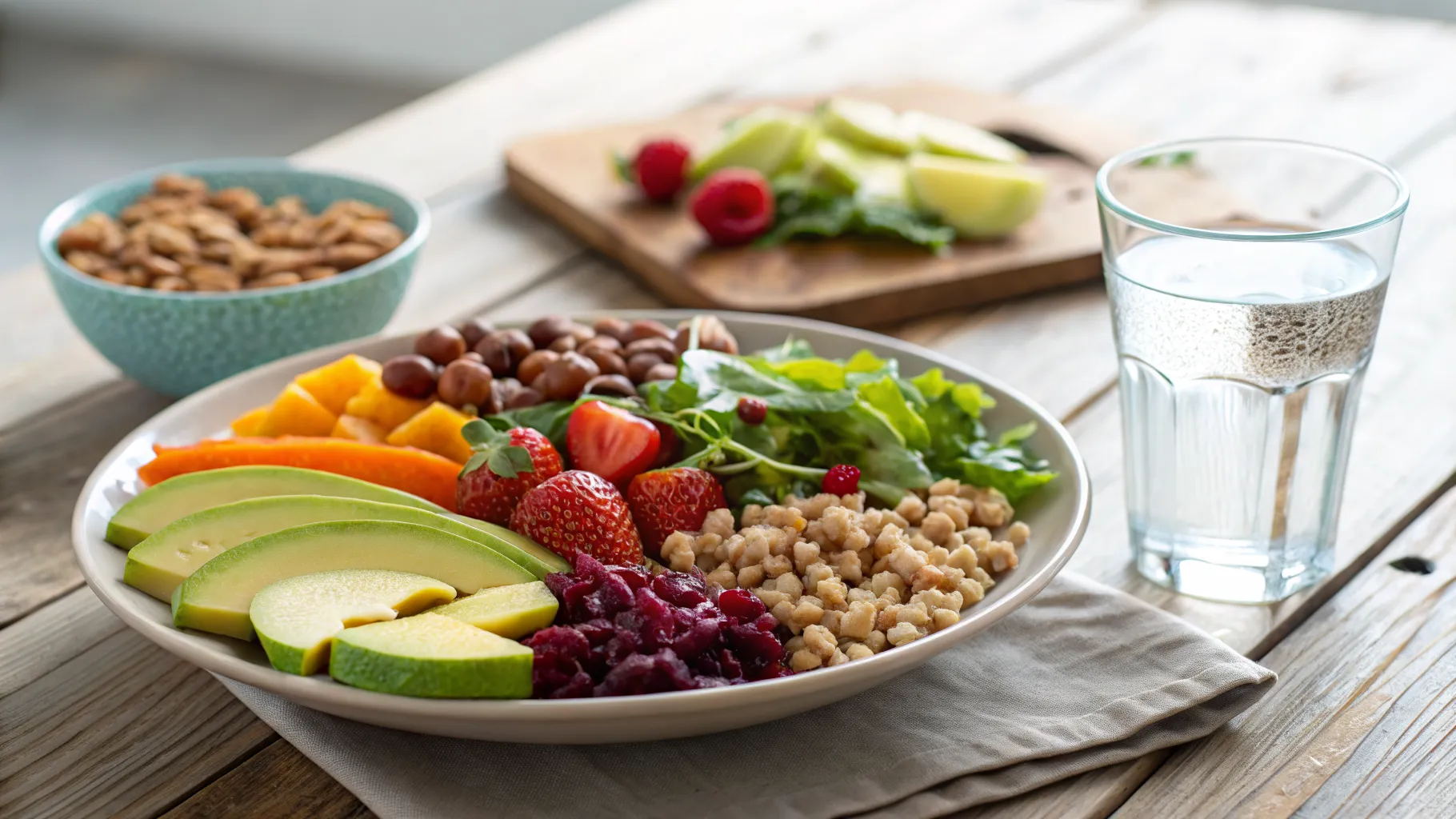
One of the most critical components of managing chronic constipation naturally is ensuring a robust daily fiber intake. Fiber, particularly soluble and insoluble fiber, plays a pivotal role in adding bulk to stool and facilitating its smooth passage through the digestive tract. Soluble fiber, found in oats, beans, and fruits like apples, absorbs water to form a gel-like substance, softening the stool. Insoluble fiber, prevalent in whole grains, nuts, and vegetables, acts as a bulking agent, accelerating bowel transit. Integrating a diverse range of fiber-rich foods progressively is essential to avoid gas and bloating, allowing the gut microbiome to adapt. For instance, incorporating a handful of berries into your breakfast, opting for whole-wheat bread over white, and consuming at least five servings of fruits and vegetables daily can significantly contribute to better digestive health.
The Indispensable Role of Hydration
Adequate hydration is intrinsically linked to effective chronic constipation management. Water helps fiber function correctly, preventing stool from becoming hard and dry. When the body is dehydrated, the colon absorbs water from the stool, leading to firmer, more difficult-to-pass bowel movements. Experts recommend consuming at least 8 glasses (approximately 2 liters) of water daily, though individual needs may vary based on activity level, climate, and overall health. Beyond plain water, herbal teas and water-rich fruits and vegetables can also contribute to overall fluid intake, supporting optimal digestive health. Avoiding excessive consumption of dehydrating beverages like caffeinated drinks and alcohol is also advised for those seeking effective natural remedies for constipation.
Lifestyle Adjustments for Enhanced Digestive Health
Regular Physical Activity
Engaging in regular physical activity is a powerful, yet often overlooked, natural remedy for chronic constipation. Exercise helps stimulate the natural contractions of the intestines, known as peristalsis, which move stool through the colon. Even moderate activities like brisk walking, jogging, swimming, or cycling for 30 minutes most days of the week can significantly improve bowel regularity. For individuals with sedentary lifestyles, even short bursts of movement throughout the day can make a difference. The increased blood flow and muscle activity during exercise contribute to a more efficient digestive system, making it an integral part of comprehensive natural approaches to chronic constipation management.
Establishing a Consistent Bowel Routine
Our bodies thrive on routine, and the digestive system is no exception. Attempting to have a bowel movement at the same time each day, ideally after a meal when the gastrocolic reflex is most active, can help train the body to regulate its bowel habits. Giving yourself sufficient time in the bathroom without rushing or excessive straining is crucial. Responding promptly to the urge to defecate rather than delaying can prevent stool from hardening in the colon, which exacerbates chronic constipation. This simple behavioral modification is a cornerstone of effective natural remedies and promotes better digestive health over time.
Exploring Herbal and Supplemental Natural Remedies
Probiotics and Prebiotics for a Balanced Gut Microbiome
The health of our gut microbiome plays a critical role in digestive health. An imbalance in gut bacteria, known as dysbiosis, can contribute to chronic constipation. Probiotics, which are beneficial live bacteria, can help restore balance and improve gut function. Sources include fermented foods like yogurt, kefir, sauerkraut, and kimchi, as well as supplemental forms. Prebiotics, non-digestible fiber compounds that feed beneficial gut bacteria, are equally important. Foods rich in prebiotics include garlic, onions, leeks, asparagus, and bananas. Together, probiotics and prebiotics work synergistically to foster a healthy gut microbiome, making them valuable natural approaches to chronic constipation management. Studies indicate that specific strains of probiotics can help reduce gut transit time and improve stool consistency, offering tangible relief for those seeking effective natural remedies.
Herbal Laxatives and Bulk-Forming Agents
Certain herbs have been traditionally used as natural remedies for constipation. Psyllium husk, a soluble fiber, is a popular bulk-forming laxative that absorbs water and adds volume to stool, making it easier to pass. It is crucial to consume plenty of water with psyllium to prevent impaction. Other herbs like senna and cascara sagrada contain compounds called anthraquinones, which stimulate bowel contractions. However, these stimulant laxatives should be used with caution and only for short periods, as prolonged use can lead to dependence or worsen constipation. Magnesium citrate, a mineral supplement, can also act as an osmotic laxative, drawing water into the intestines to soften stool. Always consult a healthcare professional before incorporating herbal supplements, especially for managing chronic constipation, to ensure safety and appropriate dosage.
Mind-Body Connection and Stress Management
Stress and anxiety can significantly impact digestive health, often exacerbating symptoms of chronic constipation. The gut-brain axis, a bidirectional communication system, means that emotional stress can alter gut motility and secretion. Therefore, incorporating stress-reduction techniques into daily life is a vital component of natural approaches to chronic constipation management. Practices such as meditation, deep breathing exercises, yoga, and mindfulness can help calm the nervous system and positively influence gut function. Ensuring adequate sleep also contributes to overall well-being and a healthier digestive system. Addressing the mind-body connection offers a holistic pathway to improving digestive health and provides additional powerful natural remedies beyond just diet and exercise.
Comparing Conventional and Natural Remedies for Constipation
When considering treatment options for chronic constipation, individuals often weigh the benefits of conventional medical interventions against natural remedies. Conventional approaches typically include over-the-counter laxatives, stool softeners, and prescription medications, which can provide rapid relief but may carry risks of dependence, side effects, or a lack of long-term resolution without addressing underlying causes. In contrast, natural approaches to chronic constipation management, while potentially slower acting initially, focus on sustainable lifestyle changes, dietary improvements (such as increased fiber intake), and fostering a healthy gut microbiome. These methods aim to restore normal bowel function and promote overall digestive health, often leading to more lasting benefits with fewer adverse effects. However, severe or persistent chronic constipation may require a combination of approaches, and consultation with a healthcare provider is always recommended to determine the most appropriate and safe treatment plan.
Actionable Advice for Long-Term Constipation Relief
- Gradually Increase Fiber: Don't drastically change your diet overnight. Slowly add fiber-rich foods to avoid discomfort and give your gut microbiome time to adjust. Aim for 25-38 grams daily.
- Stay Consistently Hydrated: Make water consumption a priority throughout your day. Carry a reusable water bottle and sip regularly to support soft stool formation, crucial for preventing chronic constipation.
- Move Your Body Regularly: Integrate at least 30 minutes of moderate exercise most days. Physical activity stimulates gut motility, a simple yet effective natural remedy.
- Listen to Your Body: Never ignore the urge to have a bowel movement. Establishing a regular routine and allowing ample time can prevent hardening of stool.
- Consider Probiotic Support: Explore fermented foods or high-quality probiotic supplements to nourish your gut microbiome and enhance overall digestive health.
- Manage Stress: Practice relaxation techniques such as meditation or deep breathing. Stress is a known contributor to digestive issues, making stress management a key component of natural approaches to chronic constipation management.
Frequently Asked Questions
Can I reverse chronic constipation solely with natural remedies?
While many individuals experience significant improvement and even full resolution of chronic constipation through dedicated adherence to natural remedies and lifestyle changes, severe or underlying medical conditions may require additional conventional interventions. Consistency in diet, hydration, exercise, and stress management is key to long-term success in improving digestive health.
How long does it take for natural approaches to chronic constipation management to show results?
The timeline for results can vary significantly among individuals. Some may notice improvements within a few days of increasing fiber intake and hydration, while others might take several weeks to months for their gut microbiome and digestive system to fully adapt to new habits. Patience and consistency are crucial for the effectiveness of natural remedies.
Are there any specific foods to avoid if I have chronic constipation?
Certain foods can exacerbate chronic constipation in some individuals. These often include highly processed foods, dairy products (for those with sensitivity), red meat, and foods low in fiber. Identifying personal triggers and limiting their consumption, while focusing on a balanced diet rich in whole foods, is an important aspect of natural approaches to chronic constipation management.
Is it safe to use herbal stimulant laxatives as natural remedies long-term?
No, herbal stimulant laxatives like senna or cascara sagrada are generally not recommended for long-term use in managing chronic constipation. Prolonged reliance can lead to dependence, electrolyte imbalances, and potentially worsen the condition by weakening the colon's natural function. They are best reserved for short-term relief under professional guidance. Focus on bulk-forming agents like psyllium and lifestyle changes for sustainable digestive health.
References
- American Gastroenterological Association. (2020). AGA Clinical Practice Guidelines on the Pharmacological Management of Chronic Idiopathic Constipation.
- Mayo Clinic. (2023). Constipation: Diagnosis and treatment.
- National Institute of Diabetes and Digestive and Kidney Diseases (NIDDK). (2022). Constipation.
- Gastroenterology. (2019). The Role of Fiber in the Treatment of Functional Constipation.
- World Journal of Gastroenterology. (2018). Probiotics in the management of constipation.