Essential Tips for First Time Japan Trip Planning
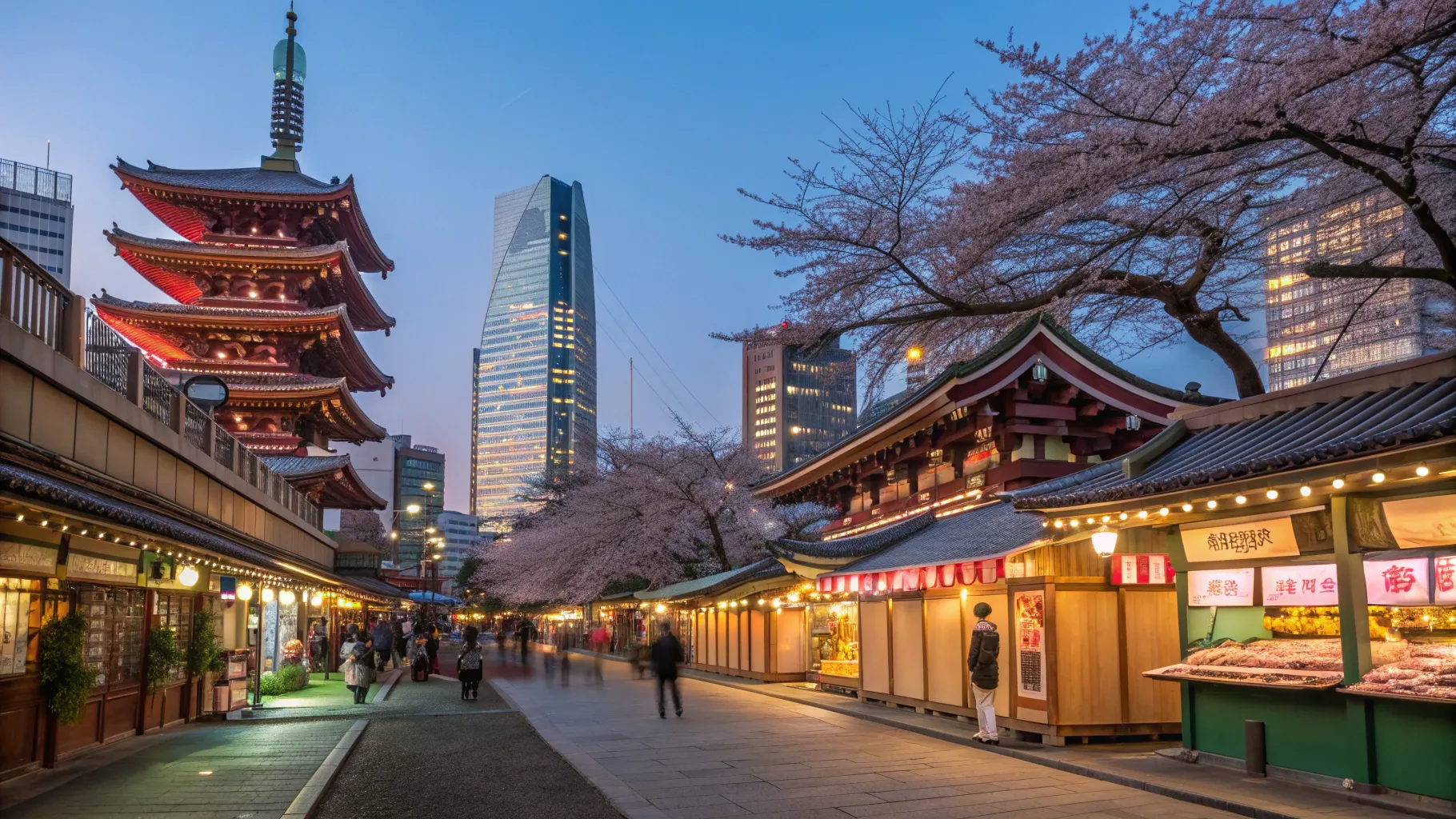
How to Plan a First-Time Japan Trip
If you're considering a trip to Japan for the first time, you're in for an unforgettable experience. The Land of the Rising Sun is a perfect blend of ancient traditions and cutting-edge modernity. In 2025, traveling to Japan is more accessible than ever, with numerous options catering to tourists. If you want practical tips for planning your first trip, you’ve come to the right place. Here’s a comprehensive guide to ensure you make the most of your time in Japan.
Crafting Your First Time Japan Itinerary
Creating an itinerary for your first trip to Japan can seem daunting, but with some foresight and flexibility, it can be a breeze. A well-thought-out plan will help you capture a well-rounded experience.
Let’s break down a 14-day Japan itinerary that touches on various must-see destinations while allowing for relaxed exploration:
- Days 1-3: Tokyo - Start your adventure in the vibrant capital. Explore Akihabara for tech and manga culture, Shibuya to witness the famous scramble crossing, and Asakusa where you can visit the historic Senso-ji Temple.
- Days 4-5: Hakone - Escape the city’s hustle and take in breathtaking views of Mt. Fuji while enjoying hot springs at Hakone. Don’t miss the Hakone Open-Air Museum.
- Days 6-8: Kyoto - Explore this ancient city known for its stunning temples and gardens. Highlighted sites include Kinkaku-ji (the Golden Pavilion) and Fushimi Inari Shrine with its iconic torii gates.
- Days 9-10: Osaka - Known as Japan's kitchen, Osaka offers delicious street food like takoyaki and okonomiyaki. The Osaka Castle and Universal Studios Japan are popular attractions.
- Days 11-12: Hiroshima - Pay tribute at the Peace Memorial Park and Museum. Take a day trip to Miyajima Island to see the floating torii gate.
- Days 13-14: Nara and Return to Tokyo - Visit Nara for its friendly deer and Todai-ji Temple before making your way back to Tokyo for any last-minute shopping or exploration.
Mastering Japan Rail Pass Basics
One of the most economical choices for first-time travelers in Japan is the Japan Rail Pass. This pass not only allows access to the extensive train network across the country but also provides convenience and peace of mind.
Here’s what you need to know:
- What is the Japan Rail Pass? - It’s a special ticket that grants unlimited travel on most JR trains, including the famous Shinkansen (bullet train). You can choose between 7, 14, and 21-day options.
- How to purchase? - You can buy your pass online before your trip, which is often cheaper than purchasing in Japan. Once you arrive, activate it at designated JR stations.
- Valid trains? - The pass covers numerous trains, but note that some premium Shinkansen lines require an additional fee, so plan accordingly.
- Be strategic! - The flexibility of the pass allows for spontaneous travels. For instance, you could decide to visit Nagasaki on a whim!
Many travelers report significant savings, especially if you’re planning to travel across multiple cities. In fact, according to recent statistics, around 67% of international travelers use the Japan Rail Pass during their stay.
Budgeting for Your Trip
Setting a budget for your trip is crucial, especially if it's your first time visiting Japan. It's often said that Japan can be quite expensive, but with careful planning, you can manage your expenses effectively without sacrificing an enriching experience.
Here are key areas to consider in budgeting:
- Accommodations: Japan offers a wide range of lodging options, including hotels, hostels, and traditional ryokan. On average, budget travelers can find decent hostels starting around $25 per night, while mid-range hotels range around $100.
- Meals: Meals can be quite affordable. Street food or small local eateries can cost as low as $8. If you dine at higher-end restaurants, expect to pay between $50 to $100.
- Transportation: Apart from the Japan Rail Pass, local transport is generally affordable, with subway fares starting at around $2.
- Entry Fees: Many temples and museums charge a small entrance fee, usually between $3 to $10.
Embracing Japanese Culture
Your first-time Japan trip is not just about the sights; it’s equally important to immerse yourself in the local culture. Take time to learn some basic Japanese phrases, as locals will appreciate your effort even if your pronunciation isn’t perfect. Here are a couple of phrases to get you started:
- Arigatou gozaimasu: Thank you!
- Konnichiwa: Hello!
Don’t forget to participate in unique cultural experiences such as attending a traditional tea ceremony or trying on a kimono. Apps like Meetup can connect you with local events or activities, enhancing your experience.
Also, keep in mind that Japan is famous for its punctuality. Arriving on time is incredibly important, whether it's for a train or a meeting, so plan your schedule to accommodate this cultural nuance.
Planning your first trip to Japan can be a fulfilling yet intricate process. With a little research and forethought, you can navigate your way through its cultural tapestry and stunning landscapes seamlessly. Embrace the journey ahead; Japan awaits with open arms, each corner filled with unique experiences—be it a bustling Tokyo street or the serene gardens of Kyoto. Safe travels!