Eyelash Mites: Understanding Causes, Symptoms, and Effective Prevention
Fast Facts:
- Eyelash mites are microscopic inhabitants of human hair follicles.
- Prevalence of Demodex infestation increases significantly with age for adults.
Unraveling the Mystery of Eyelash Mites: Causes and Prevention
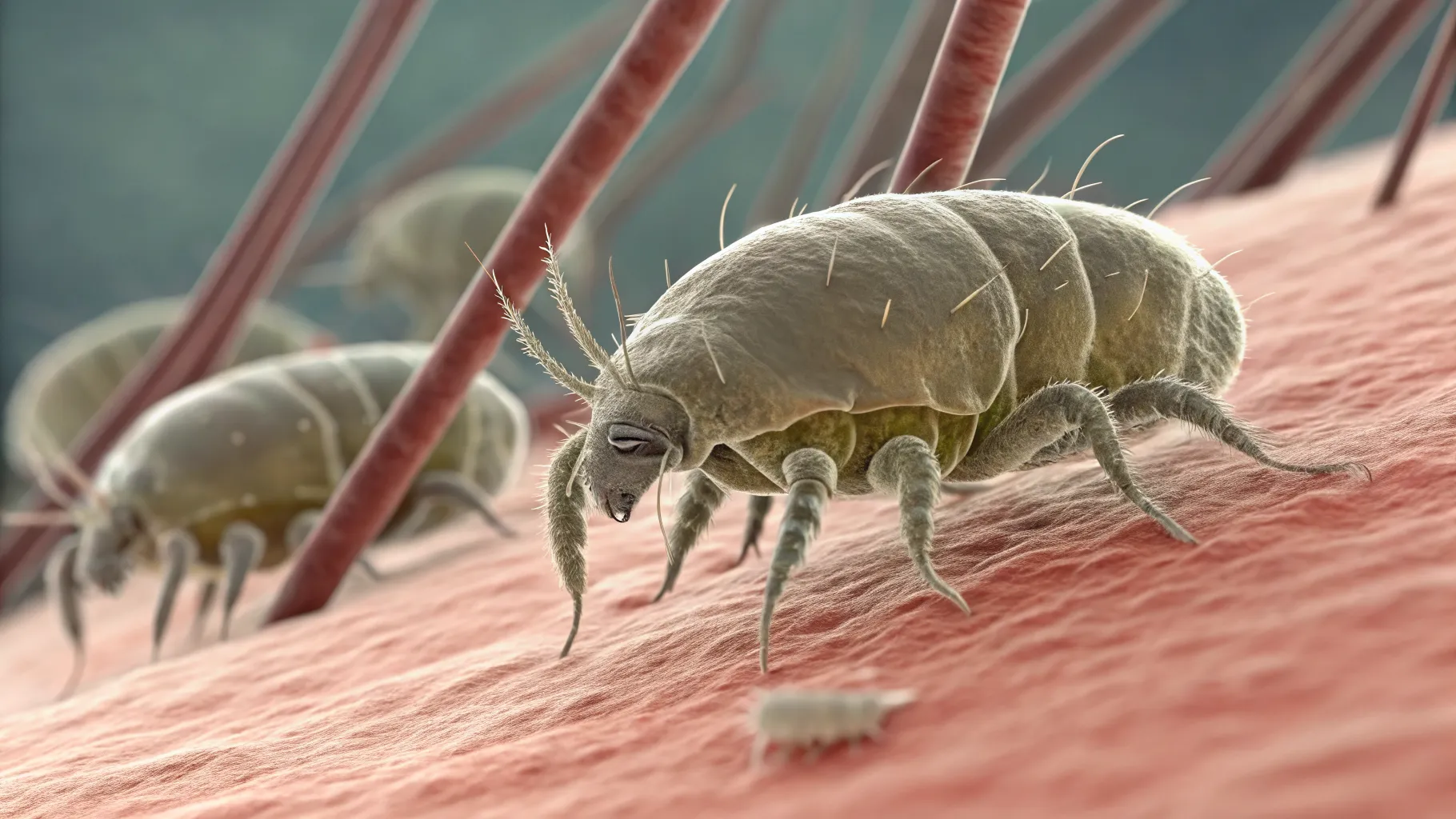
Eyelash mites, specifically Demodex folliculorum, are microscopic arachnids that reside harmlessly on most human skin, particularly within hair follicles and sebaceous glands. While typically benign, an overpopulation of these tiny organisms can lead to a condition known as demodicosis, causing a range of uncomfortable symptoms affecting the eyes and skin. Understanding the primary causes behind an increase in their numbers is the first step towards effective mite prevention and maintaining optimal eye hygiene.
Common Causes of Eyelash Mite Overpopulation
The presence of a few Demodex folliculorum mites on the eyelashes is normal and generally asymptomatic. However, certain factors can contribute to an unchecked proliferation, leading to a significant Demodex infestation. One primary cause is a compromised immune system. Individuals with weakened immunity, whether due to underlying health conditions like HIV/AIDS, cancer, or even stress, may find their bodies less capable of regulating mite populations, allowing them to multiply rapidly. Additionally, poor personal eye hygiene practices play a crucial role. Infrequent washing of the face, inadequate makeup removal, and the sharing of eye cosmetics can transfer mites and create an ideal breeding ground. Other contributing factors include aging, as sebaceous glands become more active and skin conditions like rosacea, which can alter the skin's microenvironment, making it more hospitable for these mites to thrive. Environmental factors such as dust and allergens can also exacerbate symptoms, though they are not direct causes of the initial overgrowth.
Recognizing the Symptoms and Diagnosis of Demodex Infestation
Identifying a significant eyelash mite problem often begins with noticing specific symptoms, which can range from mild irritation to severe discomfort. Common indicators include itching, redness, inflammation, and a gritty sensation in the eyes, particularly upon waking. Patients may also experience burning, tearing, and the presence of cylindrical dandruff around the base of the eyelashes. This