A Guide to French Polynesia All Inclusive Hotels and Resorts
French Polynesia conjures images of overwater bungalows and striking turquoise lagoons. Travelers often seek all-inclusive resorts to simplify their vacation planning, but the hospitality model operates differently in this South Pacific paradise compared to destinations like Mexico or the Caribbean.
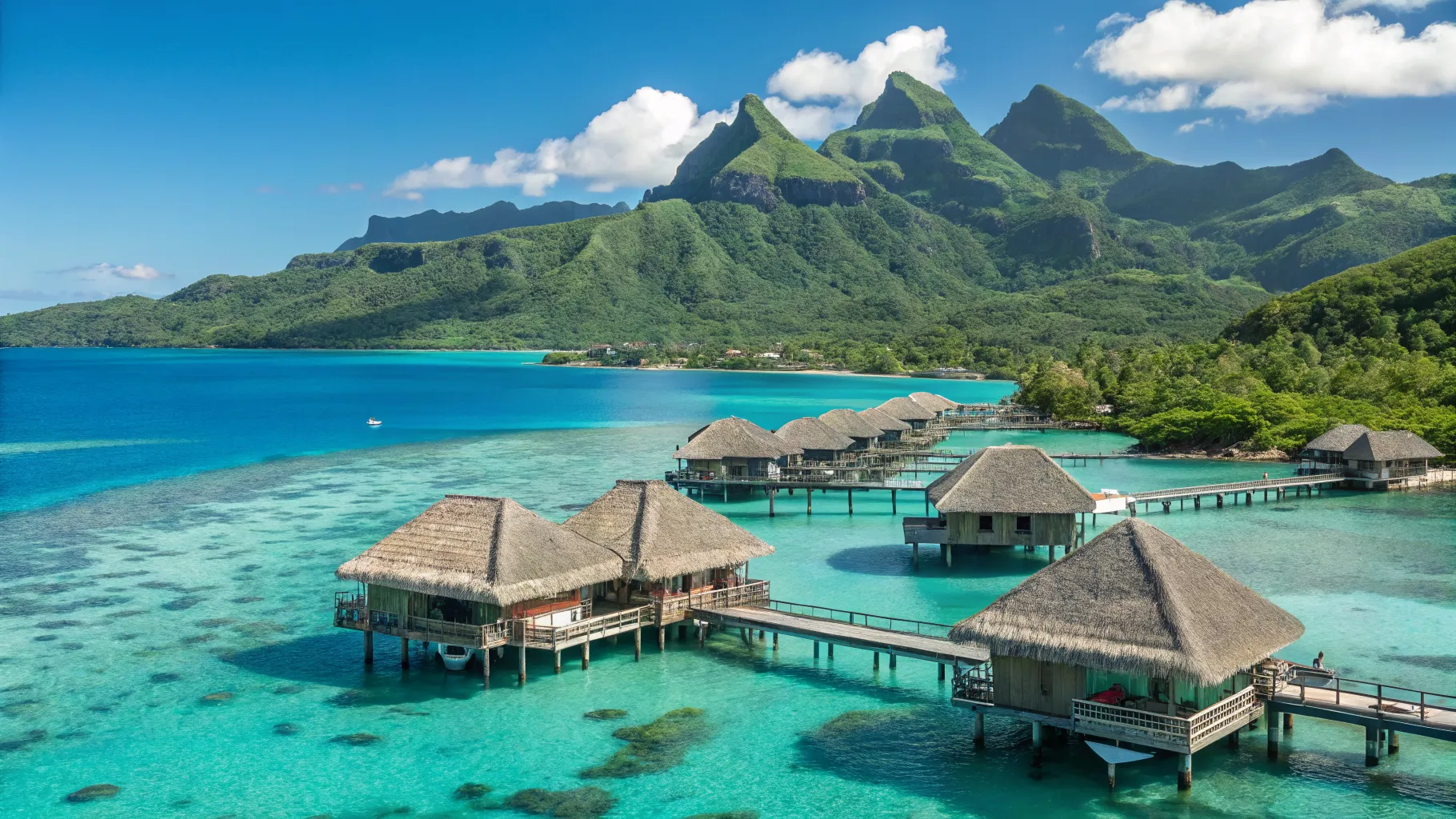
Understanding the Resort Landscape in French Polynesia
When searching for traditional all-inclusive resorts in French Polynesia, travelers quickly learn that the classic unlimited model is exceedingly rare. Unlike massive mega-resorts found in other tropical regions, properties in Tahiti, Bora Bora, and Moorea tend to be smaller, more intimate, and heavily focused on boutique luxury.
Because nearly all goods must be imported to these remote islands at a high cost, providing unlimited food and alcohol is logistically challenging and financially impractical for most properties. Instead of a one-price-fits-all approach, resorts here generally offer tiered meal plans that provide a structured but highly refined dining experience.
The Distinction Between Full Board and Traditional Packages
To navigate resort options effectively, it is essential to understand the terminology used by hoteliers in the region. Most comprehensive packages are sold as either half board or full board. Half board typically covers breakfast and dinner, leaving guests to handle their own lunch arrangements. Full board covers breakfast, lunch, and dinner, functioning much closer to an all-inclusive experience.
The crucial difference lies in the beverage inclusions. Even on a full board plan, alcoholic drinks and sometimes even premium non-alcoholic beverages are billed separately. Travelers expecting swim-up bars with unlimited cocktails included in their room rate will need to adjust their expectations, as drinks in French Polynesia are subject to high import taxes and are almost always a separate expense.
Popular Islands for Comprehensive Resort Packages
While the entire region is known for its breathtaking beauty, certain islands have more robust resort infrastructures that cater to guests looking for package deals. Each island offers a slightly different atmosphere and level of seclusion.
- Bora Bora: Known as the crown jewel of the region, this island features the highest concentration of luxury resorts offering full board overwater bungalow experiences.
- Moorea: Easily accessible by ferry from Tahiti, Moorea offers excellent mid-range to luxury resorts with meal plans nestled between dramatic mountain peaks and vibrant coral reefs.
- Tahiti: The largest island and the main international gateway often serves as a brief stopover, though it houses several large resorts with comprehensive dining packages.
- Tetiaroa: A private atoll featuring ultra-luxury eco-resorts that come the closest to a true all-inclusive model, often bundling meals, excursions, and some beverages into premium rates.
What is Typically Included in Premium Resort Stays
Even without unlimited food and drink, high-end resorts in French Polynesia bundle a wide variety of amenities into their nightly rates to ensure a seamless guest experience. These inclusions focus heavily on maximizing the enjoyment of the natural environment and local culture.
- Airport and ferry transfers: Many premium resorts include round-trip boat transfers from the local domestic airport directly to the property.
- Non-motorized water sports: Access to kayaks, stand-up paddleboards, and outrigger canoes is standard at nearly all beachfront and lagoon properties.
- Snorkeling equipment: Guests are generally provided with masks and fins to explore the coral gardens located just steps off their decks.
- Cultural demonstrations: Weekly Polynesian dance shows, lei-making classes, and coconut husking demonstrations are frequently included in the resort schedule.
Dining and Beverage Expectations
Culinary standards in French Polynesia are exceptionally high, largely due to the strong French influence combined with fresh, local Pacific ingredients. Menus frequently feature freshly caught seafood, tropical fruits, and imported French cheeses and meats. Even within a pre-paid full board plan, the quality of the meals is usually comparable to fine dining rather than standard buffet fare.
Because alcohol is heavily taxed, guests should budget accordingly. A single tropical cocktail or glass of imported wine can significantly increase a daily dining bill. Some travelers choose to purchase duty-free alcohol upon arrival at the international airport in Papeete to enjoy in their rooms, which is a common and fully legal way to manage beverage costs while still enjoying the sunset from a private deck.
Planning and Logistics for Your Trip
Organizing a trip to French Polynesia requires careful attention to domestic logistics. All international flights arrive in Tahiti, meaning travelers must book separate inter-island flights or ferries to reach their final resort destinations. These domestic travel schedules often dictate how many nights you must stay on a particular island and can impact the timing of your meal plans.
Purchasing a meal package in advance is almost always more cost-effective than paying a la carte at the resort. In addition to meal plans, securing comprehensive travel insurance is highly recommended. The remote nature of the islands means that medical care or trip interruptions can be costly, and a good insurance policy ensures peace of mind while enjoying your South Pacific retreat.