A Guide to Circumnavigating Iceland on a 7-Night Cruise
Circling Iceland's entire coastline offers a perspective that few travelers get to experience. A circumnavigation cruise allows you to witness the island's diverse and dramatic landscapes unfold from the comfort of a ship, reaching remote fjords and coastal villages that are often difficult to access by land. This type of journey provides a comprehensive overview of what makes Iceland so unique, from the volcanic south to the isolated Westfjords.
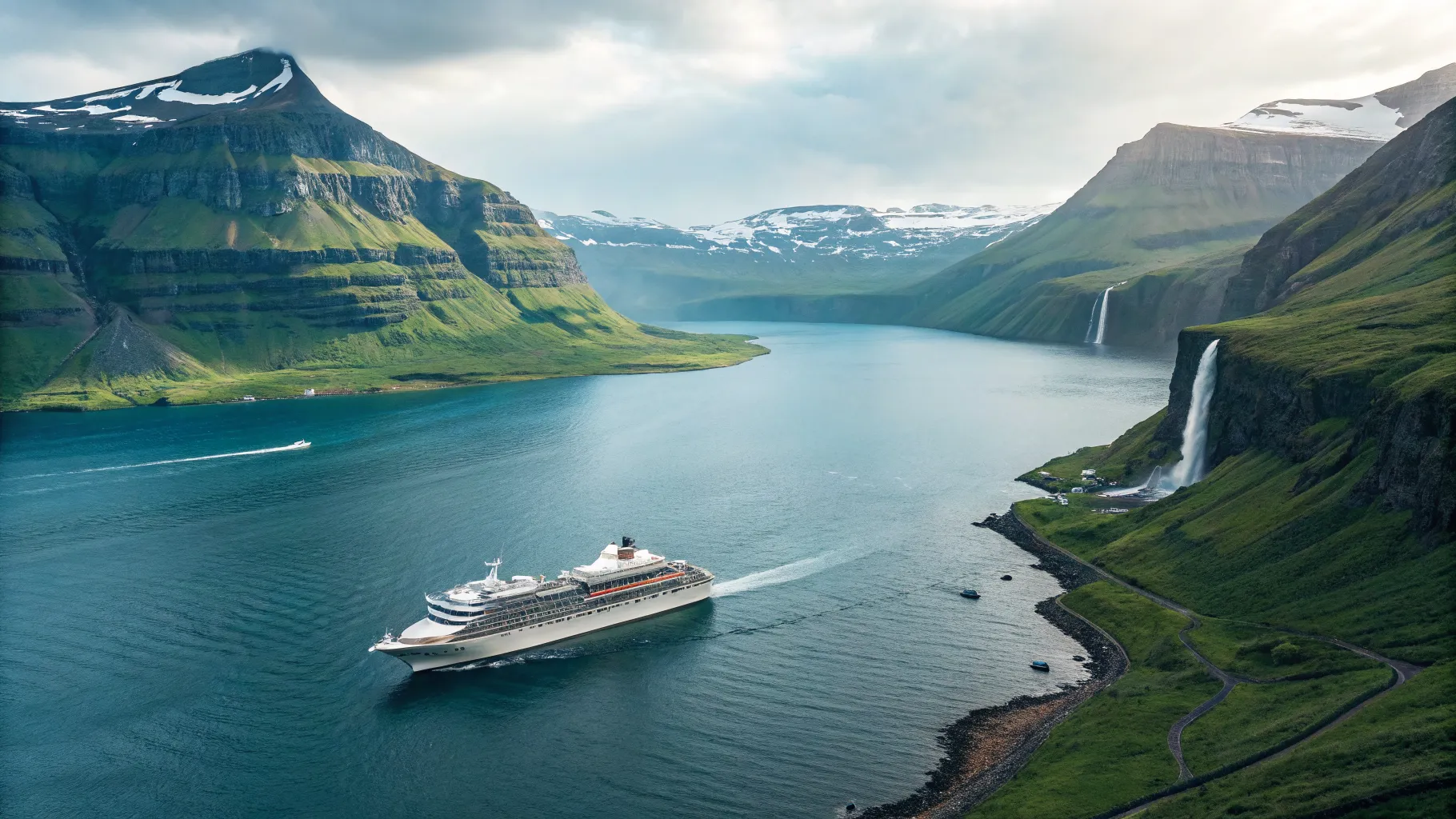
The Allure of Circumnavigating Iceland by Sea
Opting for a cruise around Iceland means you unpack only once while your floating hotel transports you to a new destination almost every day. This approach eliminates the need for daily driving, navigating unfamiliar roads, and booking multiple accommodations. Instead, you can spend your time relaxing and watching the stunning scenery pass by, from towering sea cliffs teeming with puffins to vast glaciers meeting the ocean.
A sea voyage also provides access to parts of the country that are off the beaten path. You can sail deep into serene fjords, spot whales and other marine life in their natural habitat, and visit small fishing towns that have preserved their traditional culture. The ever-changing light of the Icelandic summer, including the famed midnight sun, creates a magical atmosphere that is best appreciated from the water, with unobstructed panoramic views.
A Typical 7-Night Itinerary from Reykjavik
Most circumnavigation cruises begin and end in Reykjavik, the nation's vibrant capital. A 7-night itinerary is a popular option that provides a fantastic snapshot of the country's regional diversity. While specific ports of call can vary between cruise lines, a typical route allows you to experience the highlights of each major coastal area.
- Isafjordur: The largest town in the remote and stunningly beautiful Westfjords, known for its dramatic landscapes and rich maritime history.
- Akureyri: Iceland's 'Capital of the North,' located at the head of a long fjord. It's a gateway to natural wonders like the Godafoss waterfall and Lake Myvatn.
- Husavik or Grimsey Island: Husavik is often called the whale-watching capital of Iceland. Some itineraries may instead visit Grimsey Island, which straddles the Arctic Circle.
- Seydisfjordur: A picturesque town nestled in the Eastfjords, famous for its colorful wooden houses and thriving arts scene.
- Heimaey, Westman Islands: Located off the South Coast, this island is known for its dramatic volcanic history and large puffin colonies.
Life Onboard Your Floating Basecamp
Ships that navigate Icelandic waters range from smaller, expedition-style vessels to more spacious mid-sized cruise ships. Onboard, you can expect comfortable accommodations, from interior cabins to suites with private balconies. Dining is a key part of the experience, with most ships offering a main dining room, a casual buffet, and sometimes specialty restaurants featuring local or international cuisine.
Beyond your cabin, common areas are designed to maximize your connection with the scenery. Observation lounges with floor-to-ceiling windows are perfect for watching for wildlife or simply enjoying the view. Many cruises also feature an enrichment program with lectures from geologists, historians, or naturalists who provide context for the places you visit. Other amenities may include a fitness center, spa, library, and evening entertainment.
Exploring Ashore: Excursions and Activities
Shore excursions are where you can truly immerse yourself in Iceland's unique environment. These guided tours are typically offered at each port of call and cater to a range of interests and activity levels. Booking these in advance is often recommended, as popular tours can fill up quickly. The variety of activities available is one of the biggest draws of an Icelandic cruise.
Common excursion options include bus tours to major waterfalls like Godafoss and Dettifoss, whale-watching boat trips, hikes across lava fields, visits to geothermal areas with bubbling mud pots, and relaxing soaks in natural hot springs. More adventurous options might involve glacier hiking, snowmobiling on an ice cap, or exploring ice caves. Cultural tours of local towns and museums are also widely available for those interested in Iceland's history and heritage.
Packing Essentials for an Icelandic Summer Cruise
Icelandic weather is famously unpredictable, even during the summer months. It is common to experience sun, wind, rain, and cool temperatures all in a single day. The key to staying comfortable is to pack layers that you can easily add or remove. Your packing list should be built around versatility and preparedness for various conditions.
Start with a base layer, add a mid-layer like a fleece or wool sweater, and top it off with a waterproof and windproof jacket. Waterproof pants are also highly recommended for excursions. Other essentials include sturdy, comfortable walking or hiking shoes, a warm hat and gloves, sunglasses, and a swimsuit for hot springs or the ship's pool. Do not forget binoculars for spotting wildlife from the deck and a good camera to capture the incredible landscapes.
Understanding the Cost of Your Voyage
The price of an Iceland circumnavigation cruise can vary significantly based on the cruise line, the time of year, the size of the ship, and the type of cabin you select. Generally, the cruise fare includes your accommodation, all meals in the main dining venues, and some beverages like coffee, tea, and water. Onboard activities and entertainment are also typically part of the base price.
It is important to budget for additional expenses. Items that are usually not included in the fare are flights to and from Reykjavik, shore excursions, alcoholic beverages and specialty coffees, meals in specialty restaurants, gratuities for the crew, and travel insurance. Carefully reviewing what is included with your specific cruise booking will help you plan your budget and avoid surprises.