A Guide to Malta All-Inclusive Hotels and Resorts
Planning a trip to the Mediterranean often leads travelers to the sun-drenched archipelago of Malta. Among the various accommodation options available, all-inclusive hotels and resorts remain a popular choice for those seeking convenience and relaxation.
Understanding the All-Inclusive Concept in Malta
The all-inclusive model in Malta generally follows the standard European approach, focusing heavily on providing guests with a comprehensive package of meals, drinks, and on-site entertainment. Most resorts structure their packages to include buffet-style breakfasts, lunches, and dinners, alongside a selection of locally produced alcoholic and non-alcoholic beverages. Some properties may offer premium or ultra all-inclusive tiers, which provide access to imported spirits, specialized dining venues, and additional leisure activities.
It is important to read the specific terms of each hotel before booking. While the core offerings are similar, some hotels might exclude certain recreational facilities or charge extra for motorized water sports, spa treatments, and premium dining experiences. Knowing exactly what is covered ensures there are no surprises upon arrival and helps travelers budget effectively for their vacation.
Popular Regions for Resort Stays
Malta is relatively small, but its different coastal towns offer distinct experiences for resort guests. The northern part of the island is particularly famous for its large scale resort properties, while other areas offer a mix of urban convenience and seaside relaxation. Choosing the right location depends largely on whether visitors prioritize sandy beaches, nightlife, or peaceful surroundings.
- Mellieha: Located in the north, this area boasts some of the largest sandy beaches in Malta, making it a prime spot for expansive resort complexes.
- St. Pauls Bay and Qawra: These neighboring towns feature numerous sea-facing hotels, lively promenades, and easy access to public transport for exploring the rest of the island.
- St. Julians: Known for its vibrant nightlife and dining scene, this area hosts several upscale all-inclusive options tucked away in quieter coves.
- Gozo: The sister island of Malta provides a more tranquil, rural setting with a handful of secluded resorts focusing on wellness and nature.
Family-Friendly Resort Features
Many all-inclusive resorts in Malta are designed with families in mind, offering a wide array of amenities to keep children entertained while allowing parents to relax. Kids clubs are a standard feature at most family-oriented properties. These clubs typically provide supervised activities, arts and crafts, and outdoor games tailored to different age groups. Childrens pools, complete with miniature slides and splash zones, are also incredibly common.
Beyond the dedicated facilities, evening entertainment is a staple of the family resort experience. Professional animation teams often host mini-discos, magic shows, and live music performances. Some larger resorts even feature on-site water parks or direct access to private beach clubs, ensuring that families have plenty of recreational options without ever needing to leave the hotel grounds.
Adult-Only and Boutique Options
For those seeking a quieter and more refined atmosphere, Malta offers a growing number of adult-only all-inclusive resorts. These properties cater primarily to couples, honeymooners, and groups of friends looking for a sophisticated getaway free from the energetic noise of family-oriented hotels. The focus here shifts toward relaxation, wellness, and elevated culinary experiences.
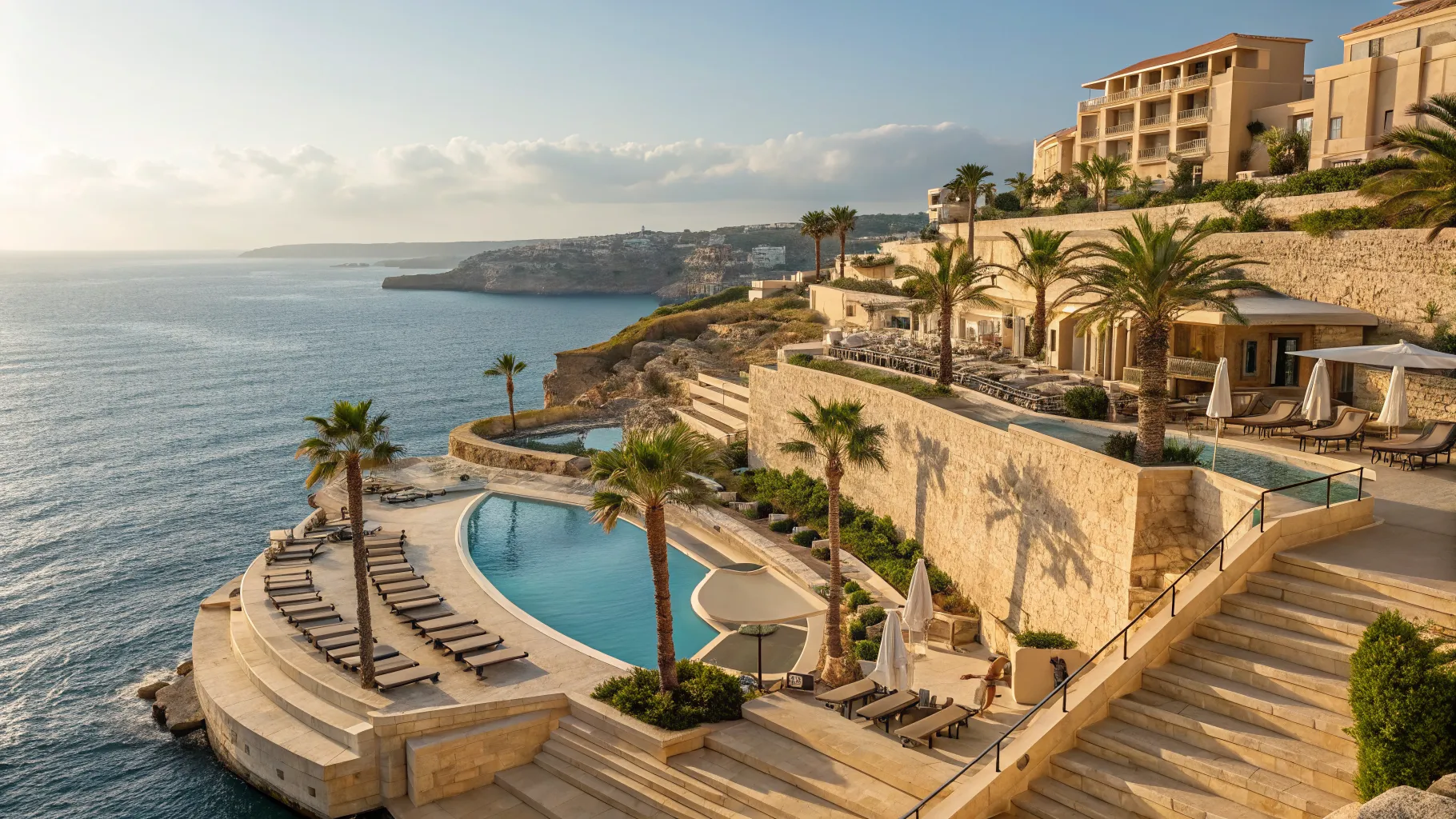
Adult-only resorts typically feature expansive spa facilities offering a range of therapeutic treatments, hydrotherapy pools, and thermal suites. The pool areas are generally designed for lounging, often featuring infinity edges, swim-up bars, and plush cabanas. Furthermore, boutique all-inclusive options might offer smaller, more personalized settings where guests can enjoy a la carte dining every evening rather than standard buffet services.
Dining and Culinary Expectations
Food is a central component of the all-inclusive experience, and Maltese resorts generally provide a diverse culinary offering to satisfy international tastes. The main dining format at most hotels is the buffet, which rotates themes throughout the week to offer variety. Guests can expect a mix of traditional Mediterranean cuisine, including fresh seafood, pasta, and local Maltese specialties, alongside standard international dishes like pizza, grilled meats, and salads.
In addition to the main buffet, many resorts feature specialty restaurants that require advance reservations. These venues might focus on specific regional cuisines, such as Asian, Italian, or Middle Eastern fare. While basic all-inclusive packages usually cover all meals at the main buffet, dining at these specialty restaurants might incur a supplementary charge or be limited to a certain number of visits per stay, depending on the chosen package tier.
Best Times to Visit and Weather Considerations
The timing of a visit to Malta can significantly impact the resort experience, as the island experiences a classic Mediterranean climate with hot, dry summers and mild, somewhat rainy winters. The peak tourist season runs from June through August, offering guaranteed sunshine and warm sea temperatures. This is the ideal time for travelers who want to maximize their use of outdoor resort facilities, though it is also the busiest and most expensive period.
- Spring (April to May): The weather is pleasantly warm, and the island is lush and green. Resort pools may still be a bit chilly, but it is an excellent time for sightseeing and enjoying outdoor amenities without the intense summer heat.
- Autumn (September to October): Often considered the best time to visit, as the sea remains warm from the summer months, but the crowds begin to thin out.
- Winter (November to March): While some resorts close for renovations, those that remain open offer significantly lower rates. Indoor heated pools and spa facilities become the main attractions during these cooler months.