A Comprehensive Guide to All-Inclusive Hotels and Resorts in Japan
When planning a trip to Japan, travelers often envision bustling cities, historic temples, and exquisite cuisine. However, the country also boasts a growing number of all-inclusive hotels and resorts designed to provide a seamless vacation experience.
The Concept of All-Inclusive in Japan
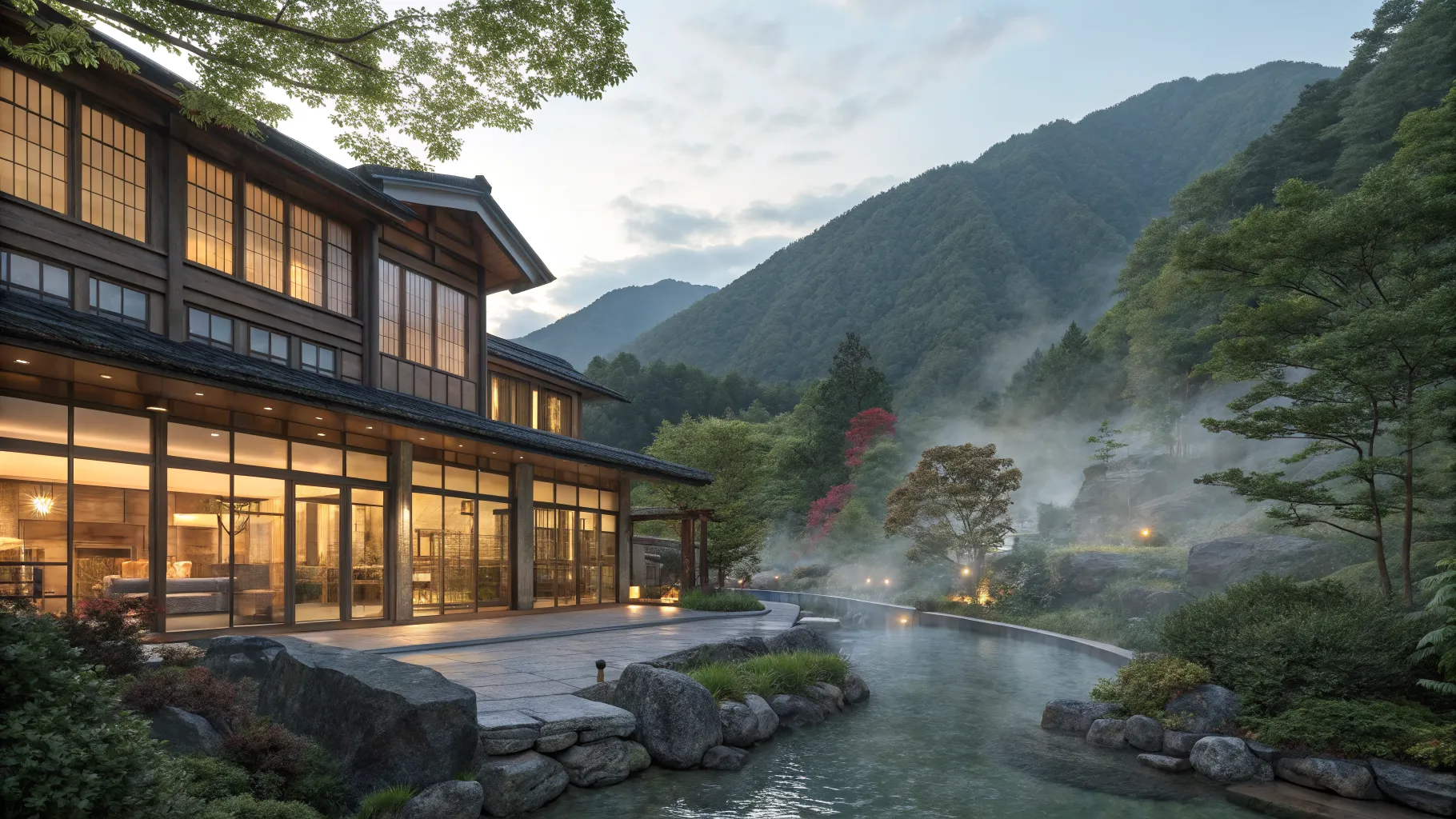
The all-inclusive model in Japan is somewhat different from the typical Caribbean or Mexican resort experience. While the core idea of paying a single upfront price for lodging, food, and activities remains the same, the execution is deeply rooted in local culture. Japanese hospitality, known as omotenashi, focuses on anticipation of guest needs and a high level of personalized care.
Instead of sprawling buffet lines open 24 hours a day, guests are more likely to find carefully curated dining experiences that highlight seasonal and regional ingredients. The atmosphere is generally more subdued and focused on relaxation, wellness, and nature appreciation rather than loud entertainment and endless partying.
Traditional Ryokans versus Modern Resorts
Visitors looking for an all-inclusive stay will generally choose between a traditional ryokan and a modern western-style resort. A traditional ryokan typically operates on a half-board basis, including a multi-course kaiseki dinner and breakfast. However, a growing number of luxury ryokans have adopted a fully inclusive model, adding lunch, unlimited beverages in dedicated lounges, and private hot spring access to the standard rate.
Modern resorts, often operated by international or large domestic hospitality brands, provide an experience closer to global expectations. These properties usually feature extensive facilities such as swimming pools, fitness centers, kid clubs, and multiple dining venues. They cater well to families and groups who want diverse activity options alongside unlimited food and drinks.
Popular Regions for All-Inclusive Stays
Geography plays a significant role in the type of resort available. Okinawa, Japan's southernmost prefecture, is the premier destination for beach-focused all-inclusive resorts. The tropical climate allows properties to offer bundled packages featuring water sports, snorkeling, private beach access, and oceanfront dining setups.
In contrast, the northern island of Hokkaido is famous for its winter resort culture. Many properties here operate as fully inclusive ski lodges. Guests pay one price that covers their room, hearty winter meals to fuel their days, lift tickets, equipment rentals, and sometimes even group ski or snowboard lessons.
What is Typically Included in the Price
Understanding exactly what the upfront cost covers is vital for managing expectations. Most genuine all-inclusive properties in Japan will cover all three meals, a selection of alcoholic and non-alcoholic beverages, and access to the main resort facilities. The beverage selections often highlight local specialties, such as regional sake, shochu, and domestic whiskies.
- Access to communal and sometimes private natural hot springs (onsen)
- Cultural activities like tea ceremonies, calligraphy, or local guided walks
- Seasonal recreational gear, such as bicycles in the summer or snowshoes in the winter
- Transportation shuttles to and from major local transit hubs
Key Differences from Western All-Inclusive Models
One of the most noticeable differences is the structure of meal times. Western resorts often feature grazing stations or casual dining options available at any hour. Japanese properties usually adhere to specific dining windows. Guests are often asked to select their preferred meal times upon check-in, ensuring that food is prepared freshly and served at its peak quality.
Another major difference is the focus on wellness and tranquility. While Caribbean resorts might host energetic pool parties and nightly stage shows, Japanese resorts frequently center their activities around the onsen experience. Relaxation areas, meditation rooms, and nature walks are prioritized over loud music and bustling entertainment teams.
Tips for Booking the Right Experience
When searching for the perfect all-inclusive getaway in Japan, it is essential to read the fine print regarding inclusions. Some hotels use the term to describe a full board package, which means three meals are included, but beverages, spa treatments, and special activities will incur additional charges. Clarifying the beverage policy is particularly important for those expecting unlimited drinks.
Travelers should also consider the seasonal timing of their visit and the primary goal of their vacation. A mountain resort in the Japanese Alps will provide a drastically different experience in the snowy winter months compared to the lush, green summer. Matching the destination and the property style to personal vacation preferences ensures a memorable and relaxing stay.