Joint Pain Relief Australia: Non-Surgical Options for Lasting Comfort
Fast Facts:
- Over 3.6 million Australians experience chronic pain.
- Demand for non-invasive joint care is surging for older Australians.
Exploring Effective Joint Pain Relief Without Surgery Options in Australia
For many Australians living with persistent discomfort, finding effective joint pain relief Australia without resorting to invasive procedures is a top priority. The quest for managing stiffness, swelling, and reduced mobility often leads individuals to explore a range of non-surgical joint pain treatment options that promise comfort and improved quality of life. This comprehensive guide delves into the various alternative therapies and management strategies available across the country, focusing on how individuals can achieve significant relief and maintain active lifestyles.
Comprehensive Approaches to Non-Surgical Joint Pain Treatment
When considering joint pain relief Australia, it's crucial to understand that a multi-faceted approach often yields the best results. Many individuals benefit from combining several non-surgical joint pain treatment modalities rather than relying on a single method. This holistic perspective addresses not just the symptoms but also potential underlying causes of joint discomfort, offering more sustainable and long-term relief. Understanding the breadth of available options is the first step towards formulating a personalised and effective management plan for conditions like osteoarthritis or other forms of chronic joint pain solutions.
Physiotherapy and Exercise for Joint Health
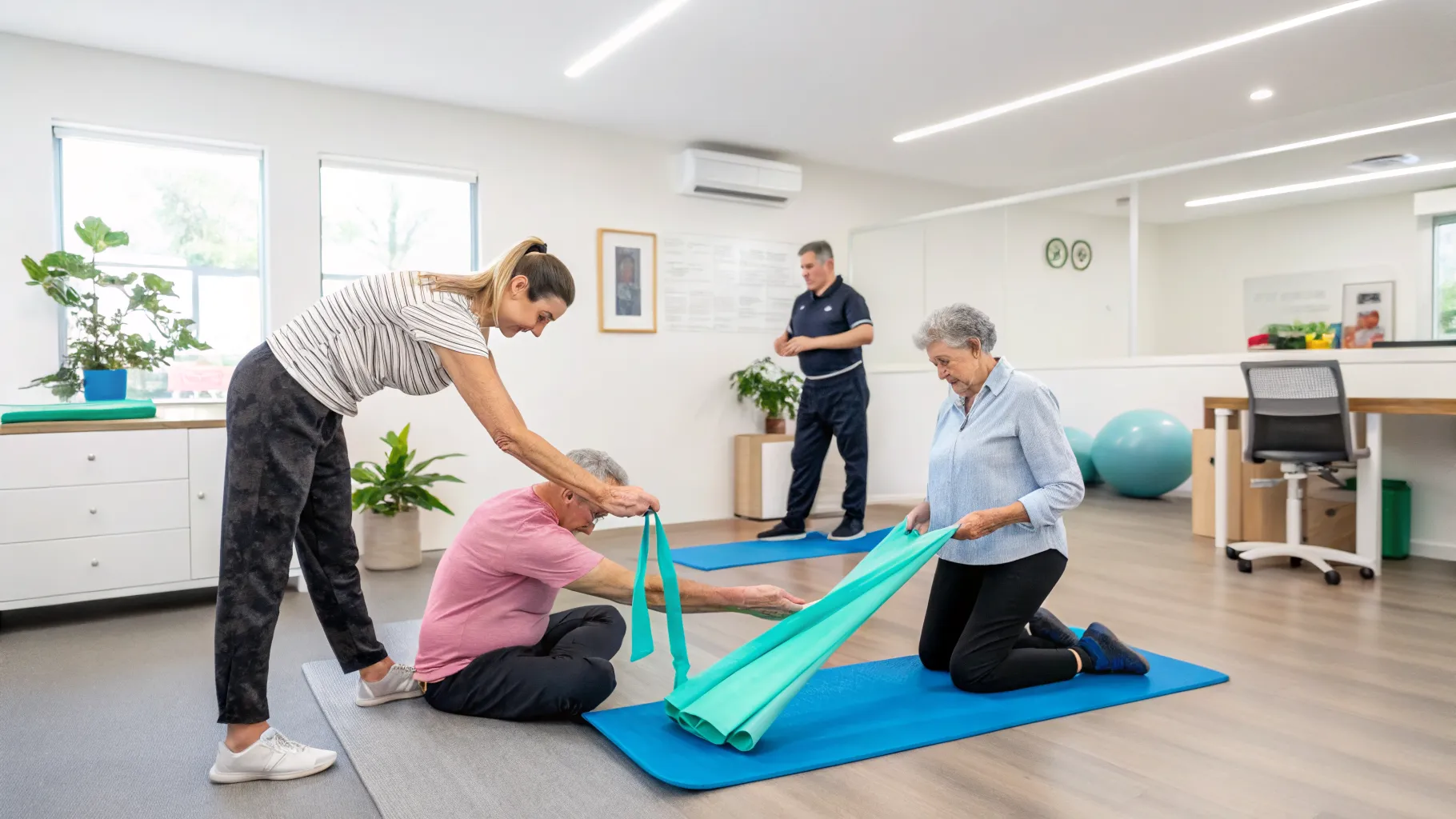
One of the most foundational and evidence-based strategies for joint pain relief Australia without surgery is engaging in targeted physiotherapy and regular exercise. Physiotherapists in Australia are highly skilled at developing customised exercise programs designed to strengthen the muscles supporting affected joints, improve flexibility, and restore range of motion. Activities like hydrotherapy, where water buoyancy reduces stress on joints, and low-impact exercises such as cycling or walking, are particularly beneficial for individuals seeking non-surgical joint pain treatment. Consistency in these programs is key to reducing pain, improving function, and preventing further deterioration. Moreover, these approaches contribute significantly to long-term osteoarthritis management Australia by maintaining joint integrity and reducing inflammatory responses.
Specific Exercise Modalities
Beyond general exercise, specific modalities within physiotherapy can provide targeted joint pain relief Australia. Manual therapy, including mobilisation and manipulation, can help restore joint mechanics. Therapeutic exercises focusing on posture correction and core strength also play a vital role in reducing strain on weight-bearing joints. Patients are often educated on proper body mechanics to minimise stress during daily activities, which is a critical component of effective chronic joint pain solutions. These programmes are tailored to individual needs, ensuring they are safe and effective for various conditions.
Pharmacological and Injection Therapies
While the focus is on non-surgical options, it's important to acknowledge the role of certain medications and injectable therapies in providing joint pain relief Australia. Over-the-counter pain relievers such as paracetamol and non-steroidal anti-inflammatory drugs (NSAIDs) like ibuprofen are often the first line of defence against mild to moderate joint pain. For more severe cases, prescription NSAIDs or other pain modifiers may be prescribed. Beyond oral medications, targeted injection therapies offer a more direct approach to non-surgical joint pain treatment. Corticosteroid injections can provide temporary but significant relief from inflammation and pain in a specific joint. Viscosupplementation, which involves injecting hyaluronic acid into the joint, aims to improve lubrication and reduce friction, particularly beneficial for osteoarthritis management Australia. Platelet-rich plasma (PRP) therapy and prolotherapy are emerging alternative joint pain therapies that utilise the body's natural healing capabilities to repair damaged tissues, offering promising results for chronic conditions.
Understanding Injection Benefits and Risks
Each injection therapy comes with its own set of benefits and potential risks. Corticosteroids act quickly to reduce inflammation but are generally not recommended for long-term or repeated use due to potential side effects on joint tissues. Viscosupplementation offers a more gradual onset of relief but can provide longer-lasting effects, improving joint function over several months. PRP therapy, while still considered somewhat experimental in some contexts, is gaining traction as a regenerative approach for chronic joint pain solutions, leveraging growth factors from the patient's own blood to promote tissue repair. Patients should have a thorough discussion with their healthcare provider to determine the most appropriate injection therapy for their specific condition and overall health profile.
Complementary and Alternative Therapies
A growing number of Australians are turning to alternative joint pain therapies to complement conventional medical treatments. These approaches can significantly contribute to overall joint pain relief Australia. Acupuncture, a traditional Chinese medicine technique, involves inserting thin needles into specific points on the body to alleviate pain by stimulating nerve endings and releasing endorphins. Massage therapy can reduce muscle tension, improve circulation, and enhance flexibility around affected joints, providing immediate and lasting comfort. Herbal remedies and nutritional supplements, such as glucosamine and chondroitin, turmeric, or fish oil, are also popular choices, though their efficacy can vary and should be discussed with a healthcare professional. Yoga and Tai Chi, with their focus on gentle movements, stretching, and mindfulness, can improve balance, strength, and flexibility, making them excellent non-surgical joint pain treatment options for long-term well-being and osteoarthritis management Australia.
Integrating Holistic Approaches
The integration of these holistic approaches into a comprehensive pain management plan is crucial for individuals seeking diverse chronic joint pain solutions. While some alternative joint pain therapies might lack the extensive clinical trial data of conventional treatments, many patients report significant improvements in their symptoms and quality of life. It's important to choose qualified practitioners for therapies like acupuncture or massage and to ensure that any supplements do not interfere with existing medications. A balanced approach that combines medical oversight with beneficial complementary therapies can empower individuals to take a more active role in their health and achieve optimal joint pain relief Australia.
Lifestyle Modifications and Self-Management for Lasting Relief
Effective joint pain relief Australia often involves significant lifestyle adjustments and proactive self-management strategies. Maintaining a healthy weight is paramount, as excess body weight places considerable strain on weight-bearing joints like the knees and hips, exacerbating conditions like osteoarthritis. Nutritional choices also play a role; an anti-inflammatory diet rich in fruits, vegetables, whole grains, and healthy fats can help reduce systemic inflammation that contributes to joint pain. Furthermore, developing stress management techniques such as meditation or deep breathing exercises can lower pain perception and improve overall well-being, complementing any non-surgical joint pain treatment plan. Adequate rest and quality sleep are equally important for tissue repair and pain modulation, forming a cornerstone of effective chronic joint pain solutions.
Practical Actionable Advice for Daily Management
- Adopt an Anti-Inflammatory Diet: Focus on whole, unprocessed foods, ample vegetables, fruits, lean proteins, and healthy fats like omega-3s. Avoid processed foods, excessive sugar, and saturated fats which can increase inflammation. This dietary approach supports overall joint pain relief Australia.
- Engage in Low-Impact Exercise: Regular, gentle exercise such as swimming, cycling, walking, or yoga helps maintain joint flexibility, strengthens supporting muscles, and reduces stiffness without excessive impact. This is a fundamental component of any non-surgical joint pain treatment.
- Manage Your Weight Effectively: Losing even a small amount of excess weight can significantly reduce the load on your joints, particularly in the knees and hips, leading to noticeable improvements in pain and mobility. This is crucial for long-term osteoarthritis management Australia.
- Prioritise Quality Sleep: Ensure you get 7-9 hours of restorative sleep each night. Sleep is vital for the body's repair processes and helps manage pain perception and inflammation. Good sleep hygiene contributes to better chronic joint pain solutions.
- Incorporate Mind-Body Practices: Techniques like mindfulness meditation, deep breathing exercises, or Tai Chi can help manage stress, reduce pain sensitivity, and improve coping mechanisms, providing effective alternative joint pain therapies for mental and physical well-being.
Frequently Asked Questions
Can I achieve complete joint pain relief in Australia without surgery?
While complete elimination of pain varies per individual and condition, many Australians experience significant and lasting joint pain relief Australia through a combination of non-surgical methods. The goal of non-surgical joint pain treatment is often to manage symptoms, improve function, and enhance quality of life, effectively avoiding or delaying the need for surgery.
How long do non-surgical joint pain treatments take to show results?
The timeline for results from non-surgical joint pain treatment can vary widely depending on the specific therapy, the severity of the condition, and individual response. Some treatments, like corticosteroid injections, may offer quick relief, while others, such as physiotherapy or lifestyle modifications, require consistent effort over several weeks or months to show substantial improvement in chronic joint pain solutions.
Are alternative joint pain therapies covered by health insurance in Australia?
Coverage for alternative joint pain therapies varies greatly depending on your private health insurance policy and the specific treatment. Many funds cover services like physiotherapy, chiropractic care, and some forms of massage. It's essential to check with your insurer regarding specific benefits and eligibility for different joint pain relief Australia options before commencing treatment.
References
- Australian Institute of Health and Welfare. Chronic pain in Australia.
- Arthritis Australia. Understanding your arthritis.
- The Royal Australian College of General Practitioners. Guidelines for the non-surgical management of knee osteoarthritis.