Healthy Meal Prep Ideas for the Week: An Analytical Guide to Efficient Nutrition Planning
Implementing a structured approach to meal preparation can significantly reduce the decision-making burden during busy work weeks while supporting consistent nutritional habits 7. By dedicating a block of time to prepare versatile, nutrient-dense components, individuals can ensure they have ready-to-eat options that align with health goals 5, 6. This report analyzes effective strategies for organizing weekly food intake, focusing on the integration of proteins, fiber-rich carbohydrates, and vegetables into a cohesive schedule 10.
The Core Formula for Balanced Weekly Prep
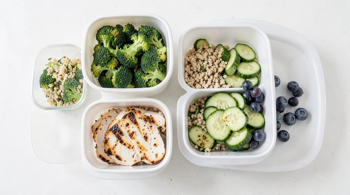
A widely practiced strategy for sustainable meal planning involves a formula centered on three primary pillars: lean proteins, high-fiber carbohydrates, and non-starchy vegetables 2. By preparing these categories independently, individuals create modular components that can be combined into diverse meals, such as bowls, wraps, or stir-fries, preventing flavor fatigue 10. Nutrition experts suggest that maintaining a balance, where roughly half of the plate consists of vegetables and fruits, supports the dietary recommendations established by public health organizations 3, 4.
For optimal efficiency, some practitioners adopt a batch-cooking method for grains like quinoa or brown rice, which serve as foundational carbohydrates 5. Proteins such as chicken breast, salmon, tofu, or lean ground turkey are typically roasted, grilled, or pan-seared to provide consistent nourishment throughout the week 2, 6. Including healthy fats-such as those found in nuts, seeds, or olive oil-based dressings-completes the profile, ensuring satiety and proper nutrient absorption 5, 6.
Strategizing Breakfast and Snack Efficiency
Morning meal preparation often focuses on items that can be consumed quickly or transported easily. Options such as overnight oats prepared with Greek yogurt and berries, chia seed puddings, or high-protein egg cups offer a structured start to the day 1, 5. These preparations can be stored in individual portions, allowing for immediate consumption without daily cooking requirements 1. Protein-rich baked goods, such as protein waffles, also function as portable solutions for individuals managing tight morning schedules 9.
Snacks play a role in maintaining consistent energy levels, and portioning them in advance helps in controlling intake. Common preparations include individual servings of fresh fruit, vegetable sticks paired with hummus, or measured quantities of unsalted nuts 5. Utilizing standardized containers for these items simplifies the process of grabbing balanced snacks, which contributes to overall dietary stability during work or school hours 5, 7.
Logistics of Cooking and Storage
Effective meal prep is frequently a matter of timing and storage management. Professional guidance emphasizes preparing components that have varying shelf lives; for instance, hearty grains and roasted vegetables generally maintain quality for several days, while fresh salad greens are best washed and dried shortly before assembly to prevent wilting 6. Cooking ingredients at once, often using sheet pans for proteins and vegetables, minimizes total time spent in the kitchen to approximately one hour for a full week's worth of core components 2.
When organizing the refrigerator, the use of shallow, airtight containers is recommended to facilitate rapid cooling and uniform temperature distribution 1, 2. Labeling these containers with preparation dates serves as an effective management tool, helping to track the freshness of specific ingredients 5. This practice is instrumental in minimizing food waste and ensuring the quality of the prepared food remains high through the end of the week 5.
Ensuring Food Safety and Quality
Adherence to food safety standards is a non-negotiable aspect of any meal preparation regimen. The United States Department of Agriculture (USDA) advises that cooked leftovers should be placed in the refrigerator within two hours of preparation to mitigate the risk of bacterial growth 1, 8. If temperatures exceed 90 degrees Fahrenheit, this window is reduced to one hour 9. Most refrigerated leftovers are considered safe for consumption for three to four days; anything intended for use beyond this timeframe should be frozen immediately after cooking 1, 2.
To maintain safety during the preparation process, standard hygiene practices-such as washing hands thoroughly, keeping raw proteins separate from ready-to-eat produce, and ensuring all foods reach recommended internal temperatures-are essential 8. Reheating leftovers requires care to ensure the food reaches an internal temperature that guarantees safety, while avoiding excessive heat that could degrade the texture of delicate ingredients 5.
Tailoring Plans to Seasonal Availability
Meal preparation can be adapted to reflect the availability of seasonal produce, which often provides higher quality and more varied flavor profiles. During warmer months, corn, zucchini, and eggplant are frequently featured in recipes like ratatouille or chilled grain salads 4, 8. These ingredients can be integrated into broader meal plans that include proteins like shrimp or chicken sausage to create light, nutrient-dense dinners that transition well into the following day 8.
Conversely, soups, chilis, and hearty stews are effective for colder periods or for those who prefer freezer-friendly options 1. Many such dishes are noted to improve in flavor after resting, making them ideal candidates for batch cooking 1. By alternating between these fresh, seasonal components and more stable, long-lasting dishes, individuals can maintain variety in their weekly diet without needing to reinvent their meal prep strategy constantly 5.
Analytical Summary of Weekly Prep Benefits
| Factor | Objective Benefit |
|---|---|
| Time Efficiency | Batch cooking reduces aggregate kitchen time during the week. |
| Nutritional Consistency | Pre-portioned meals align with dietary goals and avoid impulsive consumption. |
| Budgetary Control | Strategic shopping reduces excess purchases and food waste. |
| Safety Management | Controlled storage environments minimize spoilage and safety risks. |
The transition to a consistent meal preparation routine is essentially a shift toward proactive resource management 7. While the upfront investment of time during a weekend session is required, the long-term benefit is a reduction in the cognitive load associated with daily meal planning 2. By focusing on flexible, high-quality ingredients and adhering to established safety protocols, individuals can create a reliable system that supports sustained health and wellness objectives throughout the year 5, 6.
Sources
- USDA Food Safety and Inspection Service, https://www.fsis.usda.gov/food-safety/safe-food-handling-and-preparation/food-safety-basics/leftovers-and-food-safety
- Business Insider, https://www.businessinsider.com/weekly-one-hour-meal-prep-routine-from-dietitian-easy-dinners-2026-8
- MyPlate, https://www.myplate.gov/eat-healthy/what-is-myplate
- Harvard T.H. Chan School of Public Health, https://nutritionsource.hsph.harvard.edu/healthy-eating-plate/
- General Nutrition Data, LLM Compiled Findings
- Mayo Clinic, https://www.mayoclinic.org/healthy-lifestyle/nutrition-and-healthy-eating/in-depth/healthy-diet/art-20045590
- Academy of Nutrition and Dietetics, https://www.eatright.org/food/planning/food-shopping/meal-planning-is-it-worth-your-time
- Centers for Disease Control and Prevention, https://www.cdc.gov/food-safety/prevention/index.html
- U.S. Food and Drug Administration, https://www.fda.gov/consumers/consumer-updates/food-safety-home
- Cleveland Clinic, https://health.clevelandclinic.org/meal-prep-ideas