Face-Framing Haircuts for Women Over 50: A Research-Based Guide to Shape, Texture, and Maintenance
Face-framing haircuts for women over 50 are often considered when the goal is to look refreshed, add movement, or create a softer outline without losing volume. Research and stylist guidance indicate that the main consideration is not simply whether hair is layered, but where the layers begin, how much density they remove, and how the cut works with changing texture. 1
Why Layer Placement Matters
Face-framing layers can be cut to draw attention toward the cheekbones, jawline, or eyes. Longer diagonal pieces may visually narrow a fuller face, while shorter curved layers can soften a stronger jaw. Point cutting is also described as a way to create a lighter, airier finish than blunt ends, particularly when the desired result includes movement and a self-styled appearance. 1
The starting point of a layer is especially important for fine or lower-density hair. A stylist cited in the research describes avoiding pieces placed too close to the temples because they can appear insubstantial. Cutting the shortest face-framing sections at the chin or lower can preserve weight in the ends, making the layers look more substantial rather than wispy. 1
Matching the Cut to Face Shape
Face shape should guide the angle and length of the frame, but it should not operate as a rigid formula. Longer diagonal layers can help create a more elongated visual line, while curved pieces can introduce softness around a pronounced jaw. A personalized consultation should also consider the wearer’s hair texture, desired styling time, glasses, and preferred level of maintenance. 10
Changes in facial proportions over time may also influence the most balanced haircut. A stylist quoted by Prevention notes that faces can appear more elongated with age, so a face frame may be useful for reducing the emphasis created by long, straight hair. A soft fringe can also address a receding forehead hairline while connecting with layers around the temples and cheekbones. 2
Options for Fine, Thick, and Changing Hair
Hair after 50 may show reduced density, less elasticity, and changes in shine or texture. Stylist guidance in the research favors shorter shapes and visible movement through controlled layering when hair appears thinner. A strong perimeter, particularly in a bob or lob, can help maintain the impression of density while carefully placed layers provide movement around the face. 2
Excessive layering can work against fine hair by removing too much visible weight. By contrast, thick hair may benefit from graduated or choppy layers that reduce bulk and establish shape. Harper’s Bazaar describes graduated layers as useful for giving thick hair a flattering outline, while longer woven layers through a lob can preserve density and create the appearance of fuller strands. 5 6
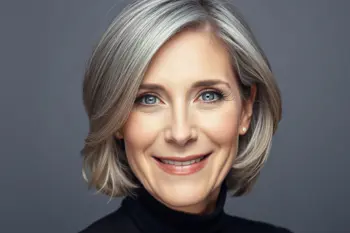
Haircut Shapes That Incorporate Face Framing
A chin-length or graduated bob provides a defined outline near the jaw and can make fine ends appear fuller. A layered lob, generally positioned between the chin and collarbone, retains more length for simple styling while introducing movement near the face. Medium-length shapes are also described as a balance between polish, versatility, and manageable styling for women with straight, wavy, curly, or mixed textures. 3 8
Other possibilities include a soft shag, a shoulder-skimming layered cut, or a pixie with longer top layers and a side-swept fringe. A choppy bob may create a less formal, more textured appearance, while an asymmetrical bob offers a stronger design line. Shorter layered cuts can restore body and movement, but the length should reflect the wearer’s density, curl pattern, and willingness to style the shape regularly. 3 5 6
Fringe, Curtain Bangs, and Side-Swept Pieces
Curtain bangs create a center-parted frame that can be blended into longer layers as they grow. This structure offers a softer transition than a sharply separated fringe and can be adapted to frame the forehead, eyes, and upper cheek area. Helen Mirren’s curtain-fringe example is cited as an illustration of how this type of framing can bring attention to facial features without requiring a short overall haircut. 5
Long side-swept bangs are another option for softening the forehead and connecting with cheekbone-length layers. A fringe may be especially relevant when the hairline is receding, although its success depends on density at the front and the preferred parting pattern. Bangs also introduce a maintenance consideration because their shape changes visibly as they grow, unlike longer layers that can have a more gradual transition. 2 10
Texture, Styling, and Maintenance Realities
Face-framing layers can work with straight, wavy, and curly hair, but the cutting process must account for the way each texture behaves. Curly hair requires consideration of shrinkage and curl pattern before the length is established. Wavy hair can use layered movement to enhance its natural texture, while straight hair may show the exact line and spacing of every face-framing section more clearly. 4 10
The principal risks are over-layering, weak ends, and a mismatch between the cut and the wearer’s daily routine. Fine mature hair may look less dense if too much weight is removed, and excessive heat, product, or styling can make finer hair appear thinner. A consultation should therefore establish the desired length, natural texture, density, styling habits, glasses use, and grow-out expectations before the shortest layer is chosen. 1 5 7
Sources
- Latest Hairstyles, “30 Flattering Face-Framing Layers Women Over 50 Are Asking For in 2026”
- Prevention, “20 Flattering Hairstyles for Women Over 50, Per Stylists”
- InStyle, “10 Medium-Length Haircuts for Women Over 50 That Feel Fresh and Modern”
- SheFinds, “Hairstylist Shares The Anti-Aging Haircut That Can ‘Slim’ And ‘Lift’ The Face After 50”
- Harper’s Bazaar UK, “Best haircut inspiration for women over 50”
- Southern Living, “25 Short And Medium Hairstyles For Women Over 50”
- CutMuse Blog, “Haircuts for Women Over 40 & 50 in 2026: The Density-First, Face-Shape Guide”
- John Frieda, “9 Modern, Flattering Hairstyles for Women Over 50”
- Hair.com, haircut guidance for women over 50