Early Signs of Thyroid Disease in Women: A Clinical Overview of Diagnostic Indicators
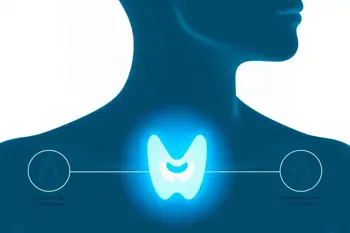
The butterfly-shaped thyroid gland, located at the base of the neck, serves as a central regulator of human metabolic activity 2. When this organ produces hormone levels that deviate from physiological norms, it can lead to systemic health disruptions that often manifest through subtle, overlapping symptoms 1, 7. Because thyroid hormones influence energy production, heart rate, temperature regulation, and mood, dysfunction can frequently be mistaken for lifestyle-induced fatigue, natural aging, or stress-related anxiety 1, 4. Clinical data indicates that women are five to eight times more likely to experience thyroid conditions than men, making awareness of these early indicators a significant component of preventative health 2, 3.
Distinguishing Between Hypothyroidism and Hyperthyroidism
Thyroid disease is categorized primarily by the volume of hormones released into the bloodstream 2. Hypothyroidism occurs when the gland fails to produce sufficient hormones, causing metabolic processes to decelerate 2, 6. Conversely, hyperthyroidism happens when the gland becomes overactive, effectively placing the body's metabolism in an accelerated state 2, 7. Because these conditions push the body in opposite directions, their associated early warning signs are distinct and require careful clinical interpretation 1.
| Symptom Category | Hypothyroidism Indicators | Hyperthyroidism Indicators |
|---|---|---|
| Metabolic Rate | Unexplained weight gain | Unintended weight loss |
| Temperature | Cold intolerance | Heat intolerance |
| Cardiac/Energy | Persistent fatigue | Rapid heartbeat/Palpitations |
| Digestive | Constipation | Frequent bowel movements |
| Emotional | Depressive mood | Anxiety/Irritability |
Common Early Signs of Hypothyroidism
Hypothyroidism is the most prevalent form of thyroid disease and is characterized by a systemic slowdown of organ function 7. Fatigue is the most commonly reported symptom, with approximately 83% of patients identifying it as their primary concern 1. Other frequently observed indicators include a persistent feeling of cold even in comfortable temperatures, dry skin, and brittle nails 1, 6. Because these symptoms develop gradually, they are often dismissed until they begin to significantly interfere with daily activities or overall quality of life 5.
Markers of Hyperthyroid Dysfunction
Hyperthyroidism, while less common than hypothyroidism, presents with symptoms that reflect an overactive metabolic state 2, 3. Individuals may notice tremors in their hands, sudden shifts in heart rhythm, and an inability to tolerate heat, often accompanied by increased sweating 2, 8. Beyond physical manifestations, patients may experience significant sleep disturbances, increased anxiety, and irritability 7. Recognizing these signs is crucial because an overactive thyroid can put undue strain on the cardiovascular system if left unmanaged over an extended period 6.
The Impact of Reproductive and Hormonal Health
Thyroid hormones are inextricably linked to the female reproductive system, interacting closely with estrogen and progesterone 7. Consequently, early thyroid dysfunction may present as irregular, heavy, or unusually light menstrual cycles 7, 8. Persistent difficulty with fertility or concerns regarding pregnancy outcomes are also documented associations with undiagnosed thyroid issues 6, 11. Furthermore, the postpartum period represents a specific window of vulnerability where thyroiditis can manifest, often presenting as a transient period of hyperthyroidism followed by hypothyroidism within the first year after childbirth 7.
Cognitive and Emotional Indicators
The central nervous system is highly sensitive to thyroid hormone fluctuations, which can manifest as psychological or cognitive symptoms 1. Patients often report a phenomenon known as brain fog, which involves difficulty concentrating, challenges with memory retention, and a generalized sense of low mood or depression in cases of hypothyroidism 1, 5. In contrast, hyperthyroidism may present as an intense sense of being on edge or jitteriness 8. These mental health markers are frequently the first signs noticed by patients, yet they are often incorrectly attributed to external stressors rather than internal hormonal imbalances 5.
Diagnostic Considerations and Clinical Evaluation
Because many symptoms of thyroid disease are non-specific and overlap with common conditions such as perimenopause or chronic stress, physical observation alone is rarely sufficient for a definitive diagnosis 3, 8. Clinicians typically utilize blood panels, specifically testing for Thyroid-Stimulating Hormone (TSH) and free thyroid hormones (T4 and T3), to assess gland functionality 8, 12. Additionally, the presence of a painless swelling or palpable lump at the base of the neck may indicate goiter or a thyroid nodule, both of which require professional medical imaging or physical examination to rule out underlying structural pathology 9, 10. Early testing allows for the development of management strategies that can effectively restore hormonal balance and alleviate symptoms 5, 6.
Sources
- UnityPoint Health: 11 Early Warning Signs of Thyroid Problems in Women
- Ochsner Health: What Are the Early Warning Signs of Thyroid Problems?
- Prevention: 17 Sneaky Signs of Thyroid Disease Doctors Want You to Know
- NewYork-Presbyterian: What Are the Signs and Symptoms of Thyroid Disease?
- Physicians Alliance of Connecticut: Thyroid Symptoms in Women
- Atlantic Health: How to Know If You Have an Underactive Thyroid Gland
- Sina Medical Direct Primary Care: Thyroid Symptoms in Women: What's Normal and What's Not
- Wisp: Early Warning Signs of Thyroid Problems in Women
- Dr. Ajit Kr. Yadav: 11 Early Warning Signs of Thyroid Problems in Women
- MedlinePlus: Goiter
- American Thyroid Association: Thyroid Disease in Women
- Endocrine Society: Thyroid Function Tests