Revolutionary New Treatments for Macular Degeneration Available in Australia
Fast Facts:
- Macular degeneration affects millions globally.
- Early detection enhances treatment efficacy for age-related macular degeneration (AMD).
Pioneering Advances in Macular Degeneration Treatments Across Australia
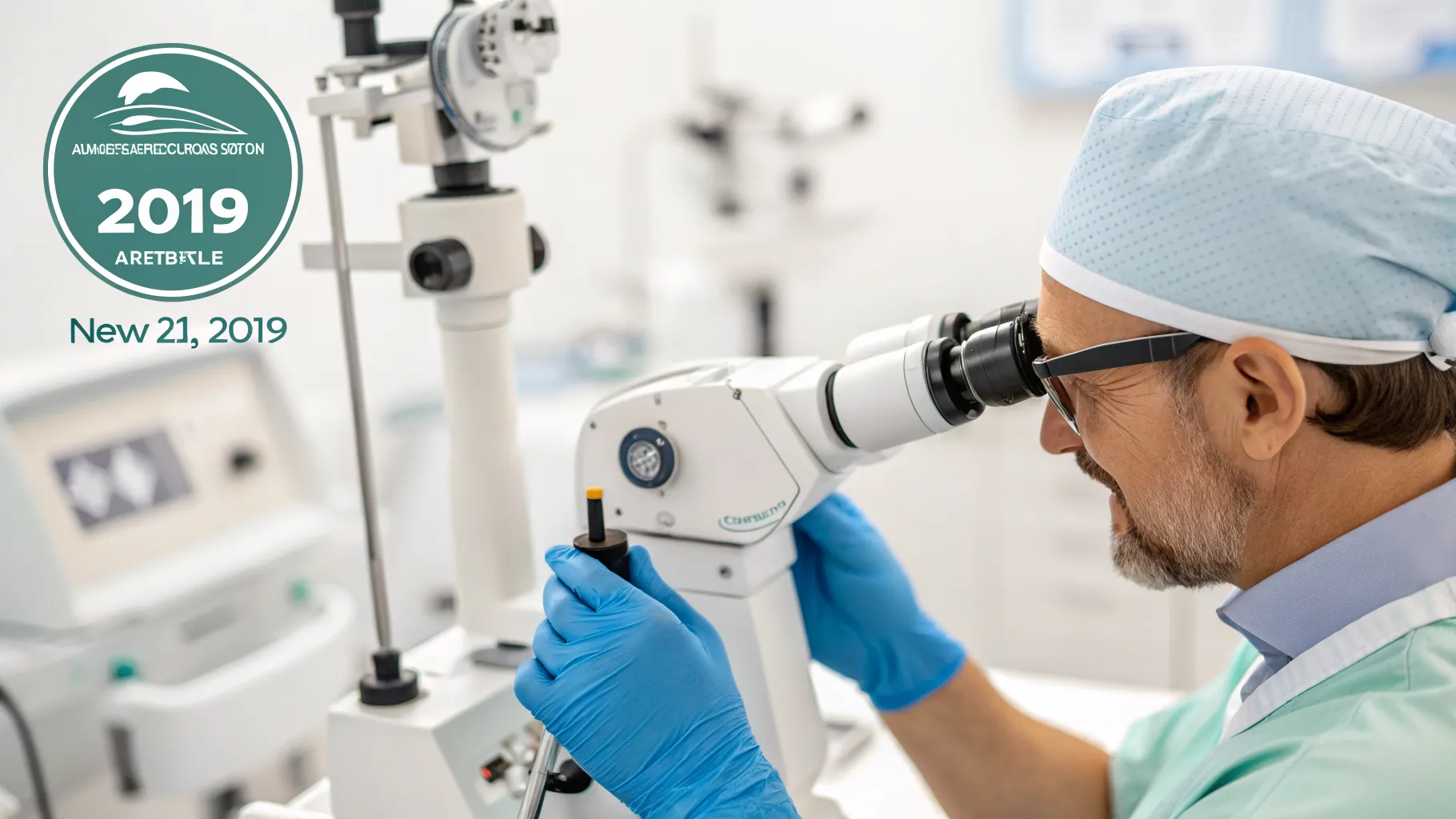
The landscape of ocular health is continually evolving, and patients in Australia are now benefiting from significant advancements in the battle against **age-related macular degeneration (AMD)**. This progressive eye condition remains a leading cause of severe vision loss among individuals over 50. However, the introduction of a variety of **new treatments for macular degeneration** offers renewed hope for preserving sight and improving the quality of life for those affected. These innovations span pharmacological breakthroughs, advanced surgical techniques, and the promise of emerging regenerative therapies, all contributing to a more comprehensive and personalized approach to care.
Understanding Age-Related Macular Degeneration (AMD) and Its Impact
Age-related macular degeneration (AMD) targets the macula, a critical part of the retina responsible for sharp, central vision. There are two primary forms: dry AMD and wet AMD. Dry AMD, the more common form, involves the thinning of the macula and the gradual accumulation of drusen, leading to a slow, progressive blurring of central vision. Wet AMD, though less common, is far more aggressive, characterized by the abnormal growth of blood vessels under the retina that leak fluid or blood, causing rapid and severe vision loss. Understanding these distinctions is crucial for tailoring effective **macular degeneration treatments** and developing strategies for **vision preservation**. The impact on daily life is profound, affecting activities like reading, driving, and recognizing faces, underscoring the urgency for effective interventions.
Breakthrough Pharmacological Therapies: Expanding Options
Significant strides have been made in pharmacological interventions, particularly for wet AMD. Anti-vascular endothelial growth factor (anti-VEGF) injections, such as Lucentis (ranibizumab), Eylea (aflibercept), and Beovu (brolucizumab), have revolutionized treatment by inhibiting the growth of abnormal blood vessels and reducing leakage. These intravitreal injections are administered directly into the eye and have proven highly effective in stabilizing or even improving vision in many patients. Newer formulations and longer-acting agents are continually being developed to reduce the frequency of injections, thereby easing the burden on patients. Furthermore, research is exploring combination therapies that target multiple pathways involved in AMD progression, aiming for enhanced efficacy and durability in **retinal therapies Australia** for optimal **new treatments for macular degeneration**.
Emerging Laser and Photodynamic Approaches
While anti-VEGF injections remain the cornerstone for wet AMD, alternative and complementary therapies are also advancing. Photodynamic therapy (PDT) with verteporfin, though less frequently used alone, can still play a role, particularly in specific types of choroidal neovascularization. For dry AMD, the focus is shifting towards innovative laser treatments that aim to rejuvenate retinal cells or remove drusen without causing thermal damage to surrounding tissue. These experimental laser therapies are designed to slow down the progression of the disease and potentially reduce the risk of conversion to wet AMD, representing a promising avenue for future **macular degeneration treatments** and **vision preservation** strategies in Australia. These technologies are part of ongoing research to refine targeted and non-invasive interventions.
Surgical Innovations and Device-Based Solutions
Beyond pharmacological and laser interventions, surgical innovations and device-based solutions are offering new hope, especially for individuals with advanced vision loss from AMD. Micro-interventional surgeries, such as the implantation of miniature telescopic lenses, can magnify images onto healthier parts of the retina, significantly improving central vision for patients with end-stage dry AMD. These devices allow patients to perform tasks that were previously impossible, such as reading or recognizing faces. Research into advanced retinal prosthetics and ocular implants continues, with the goal of restoring functional vision to those with severe damage. These pioneering surgical techniques, though complex, represent a critical frontier in **new treatments for macular degeneration** and hold immense potential for restoring independence. Such **ophthalmology innovations** are a testament to the dedication in addressing complex vision challenges.
The Promise of Gene and Stem Cell Therapies in Australian Research
Looking to the future, gene therapy and stem cell research are perhaps the most exciting and transformative areas in the quest for definitive **macular degeneration treatments**. Gene therapy aims to introduce healthy genes into the retinal cells to correct genetic defects or to enable cells to produce therapeutic proteins, such as anti-VEGF agents, continuously within the eye. This could potentially eliminate the need for frequent injections. Stem cell therapies, on the other hand, involve transplanting healthy retinal pigment epithelial (RPE) cells or photoreceptor cells derived from stem cells into the patient's eye to replace diseased or damaged tissue. Australian researchers are at the forefront of several clinical trials investigating these revolutionary approaches, offering the prospect of not just managing but potentially curing or reversing the effects of **age-related macular degeneration (AMD)** and achieving true **vision preservation**.
Navigating Treatment Pathways: A Patient's Guide to Vision Preservation
Consult an Ophthalmologist: Regular comprehensive eye examinations by a qualified ophthalmologist are paramount for early detection and discussing suitable **macular degeneration treatments**. Early intervention is critical for better outcomes, especially with conditions like **age-related macular degeneration (AMD)**.
Understand Your Options: Work closely with your eye care specialist to thoroughly understand all available **retinal therapies Australia**, considering your specific condition, lifestyle, and treatment goals. Each treatment plan is highly individualized.
Lifestyle Modifications: Adopting a healthy lifestyle, including a balanced diet rich in antioxidants, regular exercise, and protecting your eyes from UV light, plays a crucial role in supporting overall eye health and potentially slowing the progression of AMD, thereby aiding in **vision preservation**.
Support Networks: Connect with patient support groups and organizations that offer resources and a community for individuals living with **age-related macular degeneration (AMD)**. Sharing experiences and advice can be invaluable.
Adherence to Treatment: Strict adherence to prescribed medications and scheduled follow-up appointments is essential to maximize the effectiveness of **new treatments for macular degeneration** and monitor for any changes in your condition.
Frequently Asked Questions
What are the latest **new treatments for macular degeneration** available in Australia?
Australia is at the forefront of ocular care, offering a range of advanced treatments including anti-VEGF injections for wet AMD (Lucentis, Eylea, Beovu), alongside participation in clinical trials for gene and stem cell therapies. There are also developing laser technologies for both dry and wet forms, and surgical options such as telescopic implants for advanced cases. These **ophthalmology innovations** are continuously evolving to provide better outcomes.
How effective are current **retinal therapies Australia** for preventing vision loss?
Current **retinal therapies Australia**, particularly anti-VEGF injections for wet AMD, are highly effective in stabilizing vision and, in many cases, improving it. For dry AMD, supplements and emerging laser treatments aim to slow progression. The effectiveness largely depends on early diagnosis and consistent adherence to the treatment regimen. Regular monitoring by an ophthalmologist is key to ensuring optimal **vision preservation**.
Can lifestyle changes really impact **age-related macular degeneration (AMD)** progression?
Yes, lifestyle changes can significantly impact the progression of **age-related macular degeneration (AMD)**. A diet rich in leafy green vegetables, fish high in omega-3 fatty acids, and specific vitamin supplements (AREDS2 formula) have been shown to slow the progression of dry AMD. Quitting smoking, maintaining a healthy weight, and protecting eyes from excessive sunlight are also crucial factors in supporting eye health and complementing medical **macular degeneration treatments**.
References
- Macular Disease Foundation Australia. (Accessed May 2026).
- Royal Australian and New Zealand College of Ophthalmologists (RANZCO). (Accessed May 2026).
- Clinical trials databases for ocular diseases in Australia. (Accessed May 2026).
- Peer-reviewed ophthalmology journals focusing on retinal diseases. (Accessed May 2026).