Effective Pet Odor Removal Tips for a Fresh Smelling Home
Facts:
- A dog's sense of smell is 10,000 to 100,000 times more acute than humans.
- Enzyme cleaners are a top trend for pet owners seeking effective odor removal.
Unlocking the Secrets to a Permanently Fresh Home
Welcoming a pet into your home brings immense joy, but it can also introduce persistent and unpleasant odors. From unexpected accidents to general pet dander, these smells can permeate carpets, furniture, and even the air itself. The key to successful pet odor removal isn't just masking the scent; it's about completely neutralizing it at the source. This guide will provide you with comprehensive strategies and expert tips, utilizing everything from a commercial pet odor eliminator to simple household ingredients, ensuring your living space is always fresh and inviting for both you and your furry companions.
Pinpointing the Odor Source: The First Step to Elimination
Before you can effectively treat a pet odor, you must accurately identify its source. Lingering smells are often caused by urine, feces, vomit, or even dander and oils from your pet's skin and fur. Urine accidents are the most common and challenging culprits. To locate hidden spots, especially on carpets and upholstery, a UV blacklight is an invaluable tool. In a darkened room, urine stains will glow, revealing exactly where you need to focus your cleaning efforts. Don't just rely on your nose; some older, dried stains may no longer have a strong scent but can still harbor odor-causing bacteria that get reactivated by humidity. Once you've mapped out the problem areas, you can choose the most effective method to remove pet urine smell for good.
Essential Arsenal: Tools and Products for Pet Odor Removal
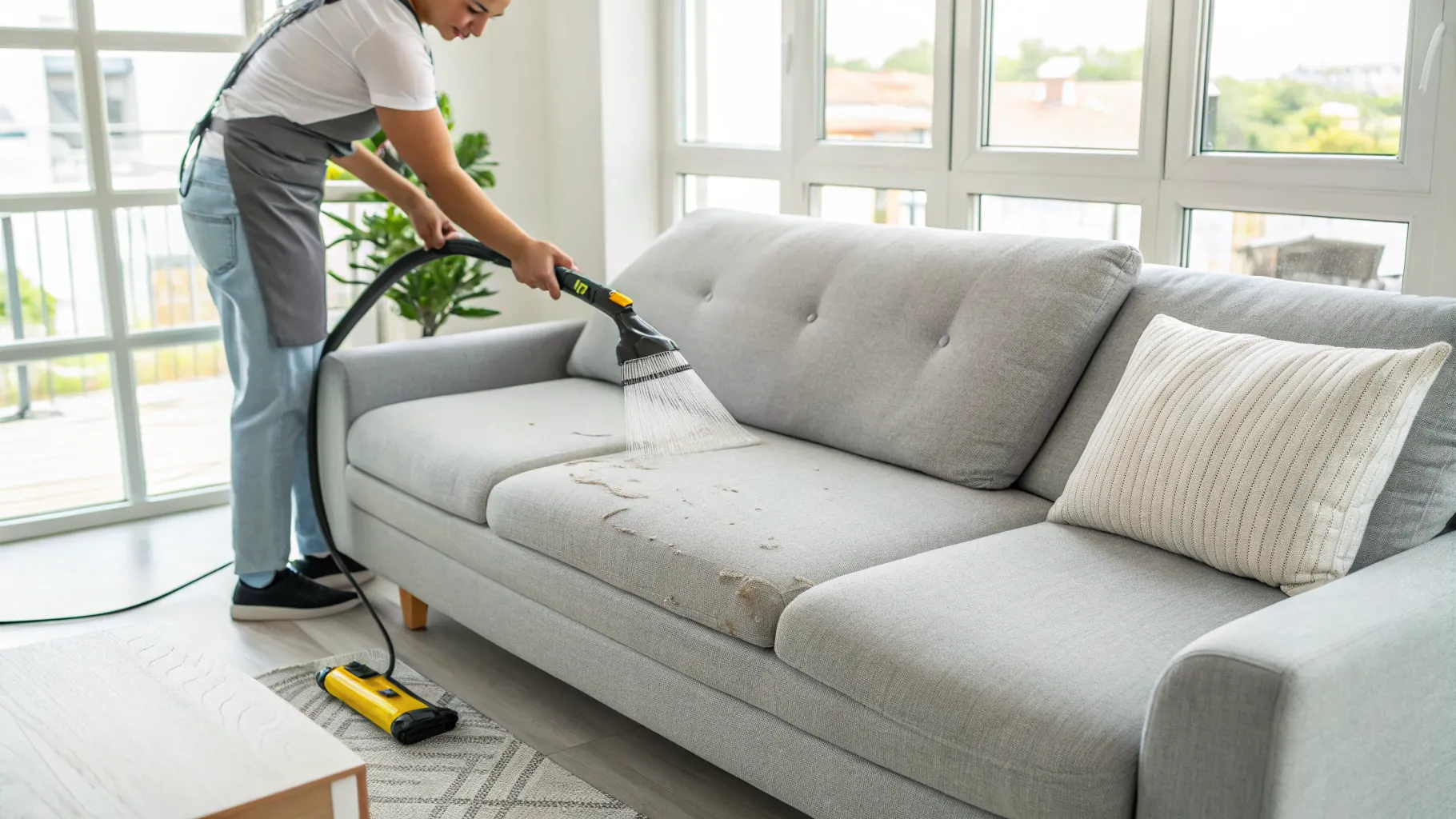
Having the right supplies on hand is crucial for tackling pet odors as soon as they happen. A well-stocked cleaning caddy can make the difference between a temporary fix and a permanent solution. Your first line of defense should be a high-quality enzymatic cleaner. This type of pet odor eliminator contains beneficial bacteria and enzymes that break down the organic proteins in pet waste, effectively destroying the odor at a molecular level rather than just covering it up. Other essential items include a wet/dry vacuum for extracting liquids, microfiber cloths for blotting, baking soda for absorbing surface odors, and white vinegar for its natural cleaning and neutralizing properties. For serious, set-in problems, you may need a carpet cleaner or extractor, which is key for deep cleaning carpets and removing residues from deep within the fibers.
The Ultimate Guide to Treating Pet Urine in Carpets
Carpet is like a sponge for pet urine, making it one of the most difficult surfaces to treat. Simply blotting the surface isn't enough. Follow this detailed process to effectively remove pet urine smell. First, if the stain is fresh, blot as much of the liquid as possible with a thick layer of paper towels or a clean cloth. Press firmly to absorb moisture from the carpet and the padding underneath. Next, generously apply an enzymatic pet odor eliminator to the area, ensuring it soaks deep into the carpet fibers and padding, covering an area slightly larger than the visible stain. Allow the cleaner to sit for the time recommended by the manufacturer, which could be several hours. This gives the enzymes time to work. Finally, blot the area dry and allow it to air dry completely. For older, stubborn stains, a second application or a full session of deep cleaning carpets with an extractor machine might be necessary.
DIY vs. Professional Odor Removal Solutions
When faced with a persistent pet odor, homeowners often wonder whether to tackle it themselves or hire a professional. DIY methods, especially those involving natural pet odor removal techniques like vinegar and baking soda solutions, can be effective for minor, fresh accidents. They are cost-effective and use readily available ingredients. Store-bought enzymatic cleaners also fall into this category and are highly effective for most situations. However, professional services are often the better choice for severe or widespread odor problems, such as a pet who has repeatedly urinated in the same area. Professionals have access to commercial-grade equipment, like powerful extractors and ozone generators, that can perform a level of deep cleaning carpets that is difficult to achieve with consumer products. They can guarantee odor removal, which can be a worthwhile investment for your home's value and comfort.
Actionable Advice for a Consistently Odor-Free Home
Maintaining a fresh-smelling home with pets requires a proactive approach. Regular maintenance is far easier than tackling a major odor crisis. Here are some actionable tips to keep your home smelling clean:
- Regular Grooming: Bathe and brush your pet regularly to reduce dander and loose fur, which can trap odors. This simple step is a form of proactive natural pet odor removal.
- Wash Bedding Frequently: Pet beds, blankets, and toys are magnets for odors. Wash them at least once a week in hot water to kill bacteria and eliminate smells.
- Invest in an Air Purifier: A high-quality air purifier with a HEPA filter can significantly reduce airborne pet dander, allergens, and odors, improving overall air quality.
- Clean Accidents Immediately: The sooner you address an accident, the less likely it is to leave a lasting odor. Keep your cleaning kit ready for quick and effective responses.
- Regular Vacuuming: Use a vacuum with a good filter to pick up pet hair and dander from floors and furniture. Sprinkle baking soda on carpets before vacuuming for an extra deodorizing boost.
Frequently Asked Questions
How can I find the best pet odor eliminator?
The best pet odor eliminator is typically an enzymatic cleaner. Look for products with high ratings and reviews that specifically state they break down organic matter and pet proteins. Avoid products that are merely scented, as they only mask the problem temporarily.
What is the most effective way to remove pet urine smell from hardwood floors?
To remove pet urine smell from sealed hardwood, immediately wipe up the urine, clean the area with a wood-safe cleaner, and then treat with a 1:1 solution of water and white vinegar. Avoid letting any liquid soak into the wood. For unsealed wood, the urine can soak in, often requiring sanding and refinishing.
Is deep cleaning carpets necessary for odor removal?
Yes, for set-in or widespread odors, deep cleaning carpets with a hot water extractor is often necessary. This process flushes out the odor-causing bacteria from deep within the carpet fibers and padding, which surface cleaning cannot reach.
Are there any effective natural pet odor removal methods?
Absolutely. Baking soda is excellent for absorbing surface odors on fabrics and carpets. A solution of white vinegar and water is a fantastic natural pet odor removal spray for many surfaces, as the acetic acid neutralizes the alkaline salts in dried urine stains.
References
- Journal of Applied Animal Welfare Science
- American Kennel Club (AKC) Cleaning and Organization Guides
- Home Hygiene and Health Institute Publications
- Environmental Protection Agency (EPA) Indoor Air Quality Resources